
Tired of dealing with overflowing trash bins and constantly changing bags in your kitchen? A kitchen trash compactor could be the simple solution you need.
By compressing your waste, it saves space and reduces the number of times you need to take out the trash. But how do you use one effectively to get the best results? In this guide, you’ll learn straightforward steps to operate your kitchen trash compactor with ease, tips to avoid common mistakes, and how to keep it running smoothly.
Keep reading to discover how this handy appliance can make your kitchen cleaner and your waste management hassle-free.
How A Trash Compactor Works
A kitchen trash compactor reduces the size of your waste by compressing it. It helps to save space in your trash bin. This makes taking out the trash less frequent and easier.
Understanding how a trash compactor works can help you use it more efficiently. The machine uses a simple mechanical process to flatten trash. This section explains the basic mechanism and different types of compactors.
Basic Mechanism
The trash compactor has a large metal plate inside. When you start the machine, this plate moves downwards.
The plate presses the trash, squeezing out air and reducing its volume. A motor powers the plate’s movement.
Once the trash is compressed, the plate lifts back up. You can then add more waste before compacting again.
Most compactors have a safety feature to stop the plate if the door opens. This prevents accidents.
Types Of Compactors
There are two main types of kitchen trash compactors: manual and electric.
Manual compactors require you to push the plate down yourself. They are simple but need more effort.
Electric compactors use a motor to move the plate automatically. They are easier to use and more common.
Some electric models offer extra features. These include odor control and adjustable compression levels.
Credit: www.lowes.com
Preparing Your Kitchen Compactor
Preparing your kitchen trash compactor ensures smooth operation and extends its life. Proper setup avoids common problems and makes your kitchen tidier. Follow these steps to get your compactor ready.
Choosing The Right Location
Pick a spot near your main trash area. It should have enough space for the compactor door to open fully. Avoid placing it near water sources to prevent damage. Ensure the floor is level for stable installation. Keep it close to a power outlet for easy connection.
Setting Up The Appliance
Unpack the compactor carefully and check for all parts. Follow the manufacturer’s instructions for installation. Connect the power cord to a grounded outlet only. Secure the compactor firmly to the floor or cabinet space. Run a test cycle to confirm it works correctly before regular use.
Loading Trash Correctly
Loading trash correctly into your kitchen compactor helps it work better. It also keeps the machine safe and clean. Knowing what to put inside and how to prepare waste makes the process easier. Follow simple steps for the best results every time.
What To Compact
Compact soft, crushable trash like paper, cardboard, and plastic containers. Empty food wrappers and dry waste work well. These items compress easily and save space. Small broken items like glass or ceramics can also be compacted if wrapped properly.
Make sure trash is loose and not packed too tightly before adding more. This helps the compactor press down evenly. Avoid overloading the bin to prevent jams or damage.
Items To Avoid
Do not compact glass bottles or cans with liquids inside. Sharp objects like knives or broken glass can damage the compactor. Avoid compacting large plastic bags or bulky items. These may not compress well and cause problems.
Also, avoid hot ashes, batteries, or hazardous waste. These can harm the machine or cause safety risks. Check your compactor manual for a full list of banned items.
Wrapping Wet Or Messy Waste
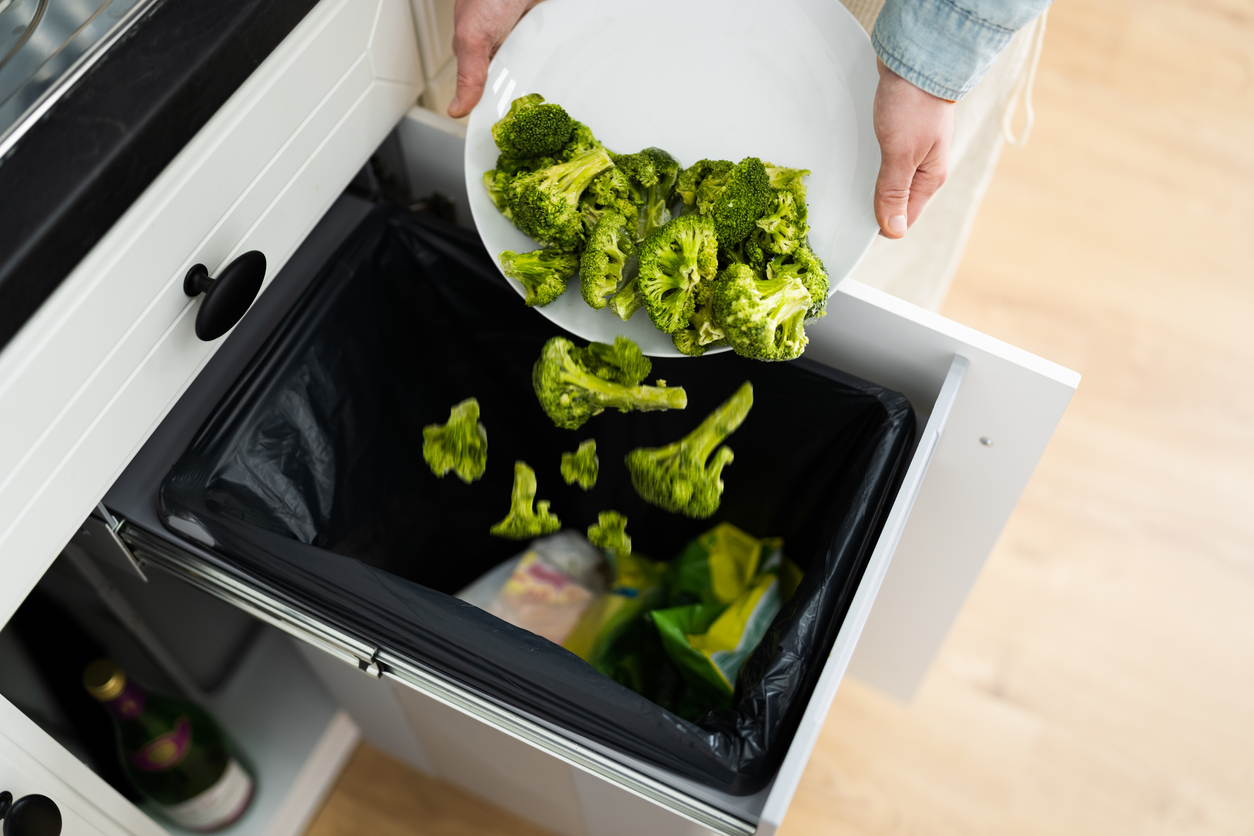
Wrap wet or messy waste in newspaper or plastic bags before compacting. This prevents leaks and keeps the compactor clean. Tying bags tightly helps control odors and spills. Avoid adding loose liquids or food scraps directly.
Dry trash compacts better and lasts longer in the bin. Keeping wet waste wrapped protects the machine and your kitchen from messes.
Credit: www.aztecappliance.com
Operating The Compactor
Operating the kitchen trash compactor is simple and efficient. It helps reduce waste volume and keeps your kitchen tidy. Understanding the basic steps ensures you use it correctly and safely.
Follow the instructions below to start the compactor, use special functions, and maintain safety.
Starting The Compactor
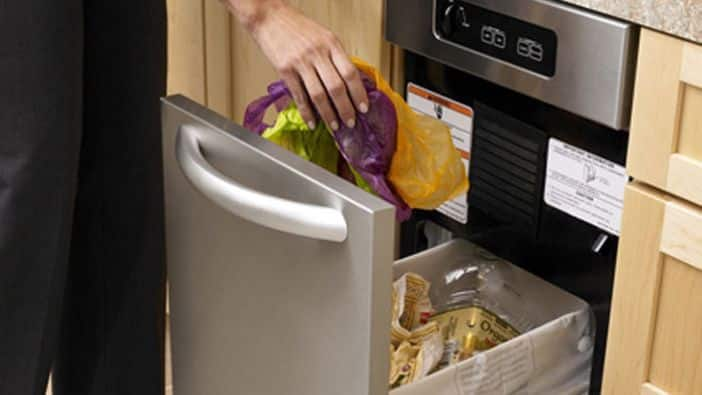
First, open the compactor door and place trash inside the bin. Do not overfill; leave space for compression. Close the door firmly to secure it. Press the start button or switch to activate the compactor. Wait for the machine to finish compressing the waste. The compactor will stop automatically once done. Open the door and check the compacted trash. If needed, add more waste and repeat the process.
Using Special Functions
Some compactors offer extra features like solid pack or odor control. The solid pack option compresses waste more tightly. Activate it by pressing the dedicated button before starting. Odor control functions help reduce smells inside the bin. Use the deodorizer or charcoal filters if available. Read your model’s manual to explore all special functions. These features improve performance and user convenience.
Safety Precautions
Never put hands or objects inside while the compactor runs. Always wait for the cycle to end before opening the door. Keep children and pets away from the compactor during use. Do not compact hazardous or sharp items. Follow manufacturer guidelines for proper use and maintenance. Regularly check for blockages or damage. Unplug the compactor before cleaning or repairing it. These steps help prevent injuries and keep the device working well.
Maintaining Your Trash Compactor
Maintaining your kitchen trash compactor keeps it running smoothly and extends its lifespan. Regular care prevents bad odors and mechanical problems. Cleaning and replacing parts as needed ensures your compactor works efficiently every day.
Cleaning Tips
Clean the inside of the compactor regularly. Use warm, soapy water and a soft cloth to wipe down surfaces. Avoid harsh chemicals that may damage the unit. Remove any food residue or spills immediately to stop odors. Clean the door seal to keep it tight and prevent leaks. Empty the drip tray, if your model has one, to avoid mold buildup.
Troubleshooting Common Issues
If the compactor does not start, check if it is plugged in properly. Make sure the door is fully closed and locked. Reset the unit by turning it off and on again. If it jams, unplug the compactor before trying to clear the blockage. Listen for unusual noises that may mean a mechanical problem. Consult the user manual for specific error codes or alerts.
Replacing Bags And Parts
Use only bags designed for your compactor model. Replace the bag before it becomes too full or heavy. Check the compactor’s blade and replace it if it becomes dull. Inspect seals and gaskets regularly, replacing them if cracked or worn. Keep spare parts on hand for quick repairs. Follow manufacturer instructions carefully when replacing any part.
Benefits Of Using A Trash Compactor
Using a kitchen trash compactor brings several clear benefits. It helps manage waste better and keeps your kitchen cleaner. A trash compactor makes daily chores easier and more efficient. Below are some key advantages of using one.
Space Saving
A trash compactor reduces the size of your garbage by pressing it down. This means trash bags take up less room. You can fit more waste into one bag. It frees up space in your kitchen and outside trash bins. This is very helpful in small kitchens or busy households.
Reducing Waste Odors
Compacting trash helps seal in bad smells. The trash is tightly packed, limiting air flow. Less air means fewer odors escape into your kitchen. This keeps your home fresher for longer. It also helps keep pests like flies and rodents away.
Cost Efficiency
Using a trash compactor lowers the number of trash bags you use. It also reduces how often you need to take out the garbage. This saves money on bags and waste collection fees. You spend less on cleaning supplies too, since your kitchen stays cleaner. Over time, these savings add up.
Common Mistakes To Avoid
Using a kitchen trash compactor can save space and reduce waste volume. Avoiding common mistakes helps keep it working well. These errors can cause damage or reduce efficiency. Follow simple tips to protect your compactor and make your kitchen cleaner.
Overloading The Compactor
Do not put too much trash in the compactor. Overloading can cause the machine to jam or break. Always check the fill line if your model has one. Compact small amounts of waste at a time for best results. This keeps the compactor running smoothly and extends its life.
Ignoring Safety Features
Never bypass or ignore safety features on the compactor. These features prevent accidents and injuries. Keep the door closed during operation. Use the safety lock if your compactor has one. Always read the user manual to understand all safety rules. Staying safe protects you and your family.
Using Inappropriate Trash
Only put suitable trash into the compactor. Avoid hard items like glass, metal, or large bones. These can damage the compactor’s blades or motor. Do not compact liquids or wet waste; they can leak and cause odors. Stick to soft, dry waste like paper and food scraps. This choice keeps the compactor clean and working well.

Credit: www.youtube.com
Frequently Asked Questions
How To Use A Trash Compactor For The First Time?
Place trash inside the compactor bin without overfilling. Close the door securely. Press the power button to start compacting. Wait until the cycle ends and the compactor stops. Open the door and remove the compacted trash bag.
How Does A Kitchen Trash Compactor Work?
A kitchen trash compactor crushes waste using a powerful ram. It compresses trash to reduce volume and save space. Users load trash, close the door, then activate the compactor for efficient compression.
Why Don’t We Use Trash Compactors Anymore?
Trash compactors fell out of favor due to high costs, maintenance issues, and increased recycling efforts reducing trash volume.
Should You Wet The Ground Before Using A Plate Compactor?
Wetting the ground before using a plate compactor is optional. Light moisture helps reduce dust but avoid making the surface too wet.
Conclusion
Using a kitchen trash compactor saves space and reduces odor. Always add trash carefully and avoid overfilling. Close the door securely before starting the compactor. Regular cleaning keeps the appliance working well and smelling fresh. Compacting trash helps manage waste more efficiently at home.
With simple steps, your kitchen stays cleaner and more organized. Give your trash compactor a try to enjoy these benefits daily.