
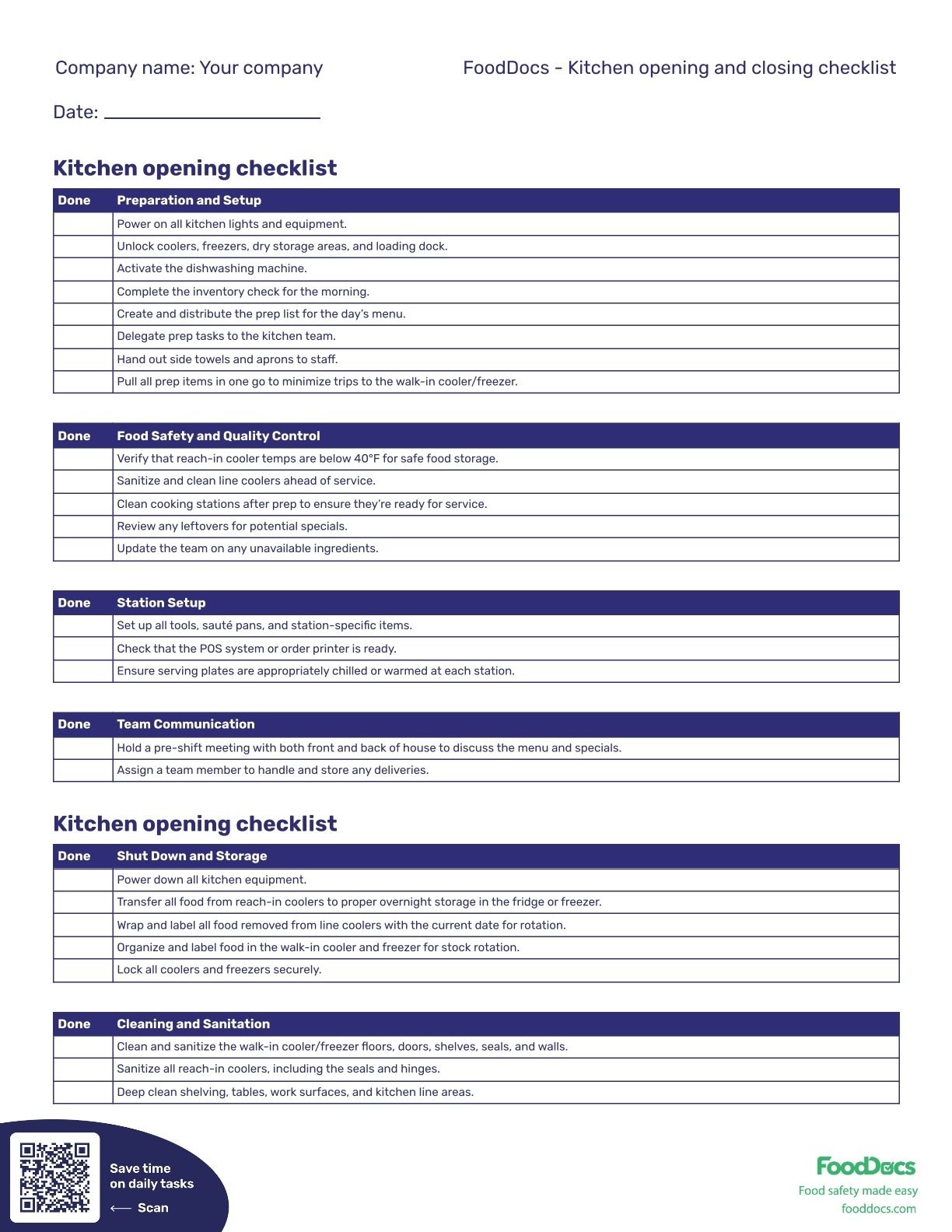
Keeping your kitchen safe and clean isn’t just about tidiness—it’s about protecting yourself and everyone who enjoys your food. You might think food safety is complicated, but using a kitchen operations checklist can make it simple and effective.
This checklist acts as your personal guide, helping you spot risks before they become problems. Imagine reducing foodborne illnesses, passing health inspections with ease, and creating a kitchen environment where safety is second nature. You’ll learn exactly how to use a kitchen operations checklist to keep your food safe every step of the way.
Ready to take control of your kitchen’s safety? Let’s dive in.
Credit: www.fooddocs.com
Key Food Safety Principles
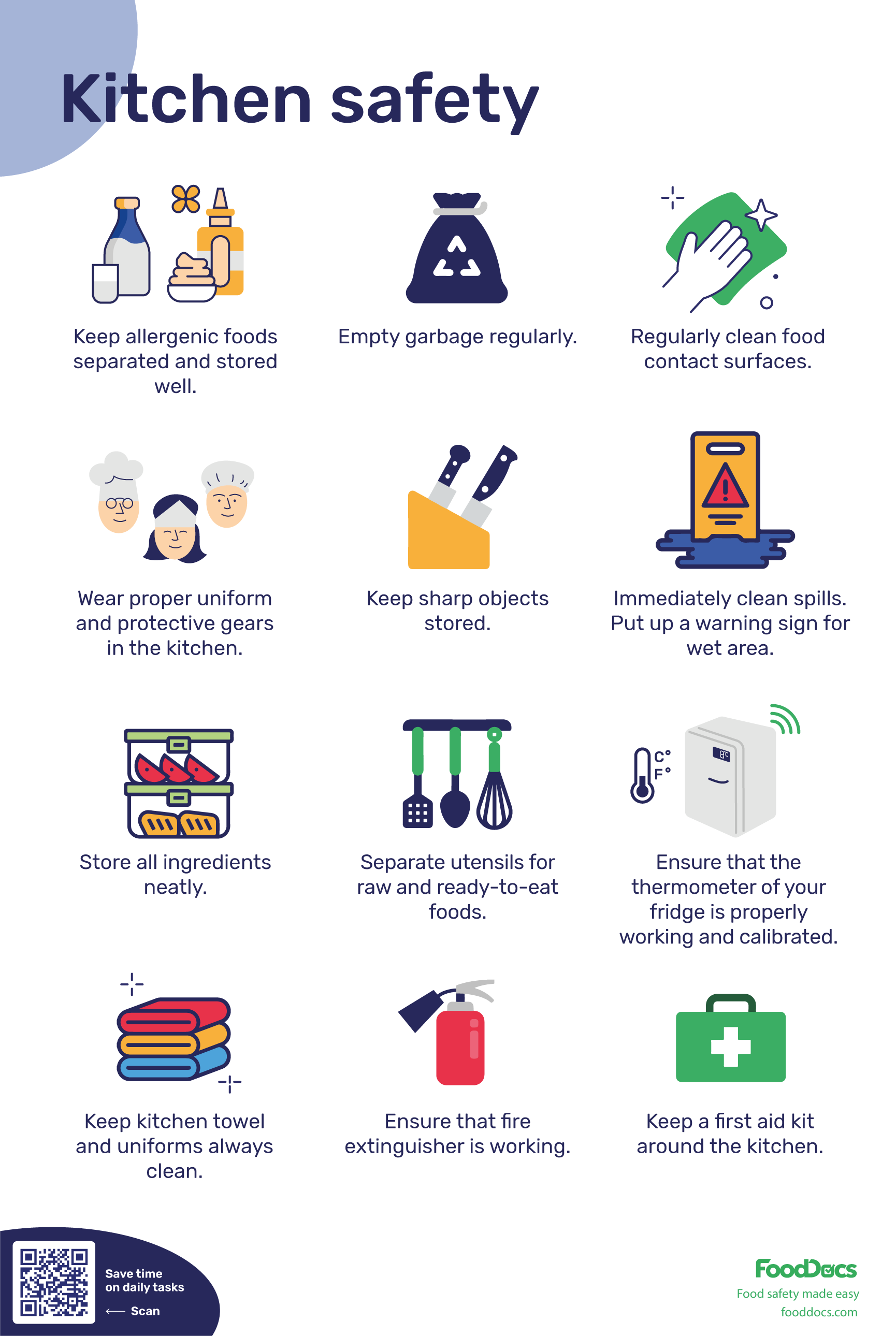
Key food safety principles protect everyone in the kitchen. Following these rules lowers the risk of foodborne illnesses. A kitchen operations checklist helps keep these principles in focus and easy to follow every day. This section covers the main principles to include in your checklist.
Keep Clean
Cleanliness stops germs from spreading. Wash hands often with soap and water. Clean all surfaces and tools before use. Use clean cloths or disposable towels to dry. Keep your kitchen tidy to avoid contamination.
Separate Raw And Cooked Foods
Raw foods can carry harmful bacteria. Keep raw meat, poultry, and seafood apart from cooked foods. Use separate cutting boards and utensils. Store raw foods below cooked foods in the fridge. This prevents cross-contamination and keeps food safe.
Cook Thoroughly
Cooking kills harmful germs in food. Make sure food reaches the right temperature. Use a food thermometer to check. Avoid eating raw or undercooked meat and eggs. Proper cooking ensures food is safe to eat.
Maintain Safe Temperatures
Temperature controls bacteria growth. Keep hot foods hot, above 140°F (60°C). Keep cold foods cold, below 40°F (4°C). Do not leave food out for more than two hours. Use refrigerators and warming units properly to keep food safe.
Use Safe Water And Raw Materials
Water and ingredients must be clean and safe. Use potable water for cooking and cleaning. Check raw materials for freshness and quality. Avoid using expired or damaged items. Safe inputs help keep food safe from the start.
Credit: www.fooddocs.com
Components Of A Kitchen Operations Checklist
A kitchen operations checklist is essential for maintaining food safety in any kitchen. It helps monitor critical areas and ensures all safety measures are followed. The checklist covers various components that keep the kitchen clean and organized. These components focus on preventing contamination and reducing health risks.
Food Storage Guidelines
Proper food storage prevents spoilage and contamination. The checklist includes checking temperatures of refrigerators and freezers. It also ensures raw and cooked foods are stored separately. Labels with dates help track food freshness. Following these guidelines keeps food safe for consumption.
Equipment Sanitation
Cleaning kitchen equipment regularly is vital. The checklist requires verifying that all tools are washed and sanitized. Surfaces must be wiped down with approved cleaners. Proper sanitation prevents bacteria growth. This step reduces the risk of foodborne illnesses.
Pest Control Measures
Keeping pests away is critical for hygiene. The checklist involves inspecting for signs of pests like insects or rodents. It ensures traps and barriers are in place and effective. Regular waste removal and sealing entry points are also checked. These actions maintain a pest-free environment.
Employee Hygiene Practices
Staff hygiene affects food safety directly. The checklist confirms employees wash hands properly and wear clean uniforms. It checks for the use of gloves and hairnets where needed. Employees must avoid touching face or hair while handling food. Good hygiene practices prevent contamination.
Compliance With Safety Standards
The checklist ensures the kitchen meets local and national food safety laws. It includes verifying permits and certifications are up to date. The checklist checks that all safety protocols, like temperature controls and cleaning schedules, are followed. Compliance protects customers and avoids legal issues.
Haccp Checklist Essentials
The HACCP checklist essentials form the backbone of food safety in any kitchen operation. This checklist helps identify and control potential hazards in food preparation. It ensures food remains safe from contamination and harmful risks. Using this checklist properly reduces the chances of foodborne illnesses. It guides kitchen staff through clear steps to maintain high food safety standards.
Biological Hazard Controls
Biological hazards include bacteria, viruses, and parasites. These can cause food poisoning and serious health issues. The checklist helps monitor temperature controls to stop bacterial growth. It ensures proper handwashing and hygiene practices. Regular cleaning of surfaces and utensils also prevents biological contamination. Tracking these controls keeps food safe for customers.
Chemical Hazard Controls
Chemical hazards come from cleaning agents, pesticides, and food additives. The checklist ensures chemicals are stored safely away from food areas. It confirms proper labeling and use of cleaning products. Staff must follow instructions to avoid chemical residues on food. This control prevents harmful substances from entering the food chain.
Physical Hazard Controls
Physical hazards include glass, metal, and other foreign objects. The checklist checks for damaged equipment or packaging that can cause these hazards. It requires regular inspections to find and remove any physical contaminants. Staff must be trained to spot and prevent these risks. This control protects customers from injury and keeps food safe.
Critical Control Points Identification
Critical Control Points (CCPs) are steps where hazards can be controlled or eliminated. The checklist helps identify these points in food preparation processes. It sets limits for cooking temperatures and storage times. Monitoring CCPs ensures food does not reach unsafe conditions. Clear documentation of CCPs supports consistent food safety practices.
Credit: www.jotform.com
Creating Your Kitchen Checklist
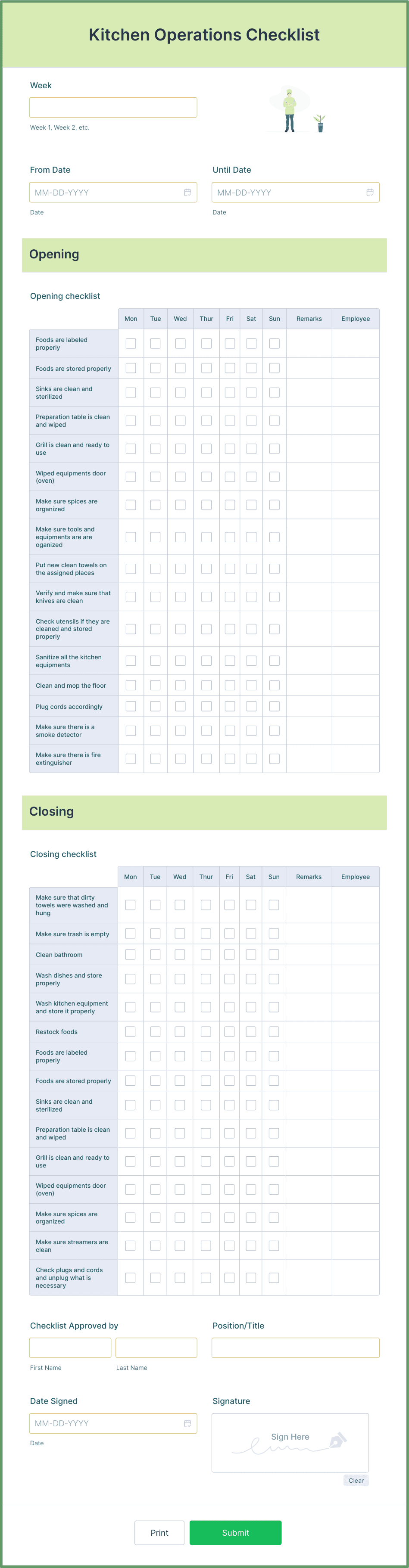
Creating a kitchen checklist is a smart step to keep food safe and operations smooth. This list helps track daily tasks and ensures nothing is missed. It guides staff to maintain cleanliness, organize storage, and follow hygiene rules. A well-made checklist boosts food safety and kitchen efficiency. Each section targets a key area of kitchen operations.
Sanitizing Food Prep Surfaces
Clean and sanitize all food prep surfaces before and after use. Use hot, soapy water to remove dirt and food particles. Follow with a food-safe sanitizer to kill germs. Check that cloths and sponges are clean and changed often. Include surface checks in your daily checklist to prevent contamination.
Organizing And Labeling Storage
Keep storage areas tidy and well-organized to avoid cross-contamination. Label all food containers with contents and expiration dates. Store raw and cooked foods separately. Ensure shelves are clean and dry. Your checklist should include regular inspections of storage areas to maintain order and safety.
Managing Waste Disposal
Empty trash bins frequently to prevent odors and pests. Use covered bins and line them with disposable bags. Clean bins regularly with disinfectant. Check waste areas daily and note any issues on the checklist. Proper waste management is vital to keep the kitchen hygienic.
Staff Hygiene And Uniform Policies
Set clear rules for handwashing before handling food. Require clean uniforms and hair restraints. Monitor staff to ensure compliance with hygiene standards. Include daily reminders and checks in your kitchen checklist. Good staff hygiene reduces the risk of foodborne illness.
Using The Checklist Effectively
Using the kitchen operations checklist effectively helps keep food safe and kitchens running smoothly. The checklist is not just a form to fill out. It is a tool that guides daily tasks and ensures standards are met. Proper use of the checklist reduces risks and improves overall food safety.
Routine Kitchen Inspections
Perform inspections regularly using the checklist. Check all areas including food storage, cooking surfaces, and equipment. Look for cleanliness, proper temperatures, and signs of pests. Catching problems early prevents contamination and foodborne illnesses. Make inspections part of the daily routine for best results.
Recording And Tracking Issues
Write down any problems found during inspections clearly. Note the date, location, and nature of the issue. Track these records to spot recurring problems or trends. Use the data to fix issues quickly and improve kitchen safety. Keeping accurate records supports accountability and compliance.
Training Staff On Checklist Use
Teach all kitchen staff how to use the checklist properly. Explain each item and why it matters for food safety. Provide hands-on practice to build confidence. Regular training keeps everyone aware of safety rules and their role in following them. Well-trained staff use the checklist more effectively.
Adapting Checklist For Specific Needs
Customize the checklist to fit your kitchen’s unique operations. Add items for special equipment or local regulations. Remove irrelevant points to keep it simple and focused. Update the checklist as processes or laws change. A tailored checklist ensures all important risks are covered.
Tips For Maintaining Food Safety
Maintaining food safety is essential in every kitchen to prevent foodborne illnesses. A kitchen operations checklist helps track key actions for safe food handling. Follow these tips to keep your kitchen safe, clean, and organized.
Regular Cleaning Schedules
Set a daily cleaning routine for all kitchen areas. Clean surfaces, utensils, and equipment with hot, soapy water. Wipe spills immediately to avoid contamination. Sanitize cutting boards and counters after each use. Replace dishcloths and sponges often to reduce germs.
Proper Handwashing Techniques
Wash hands before handling food and after touching raw items. Use warm water and soap, scrubbing for at least 20 seconds. Clean under nails and between fingers carefully. Dry hands with a clean towel or air dryer. Avoid touching face or hair while cooking.
Safe Cooking And Cooling Practices
Cook food to the right temperature to kill harmful bacteria. Use a food thermometer to check doneness. Cool cooked food quickly by dividing it into small portions. Store leftovers in shallow containers and refrigerate within two hours. Reheat food thoroughly before serving.
Monitoring Food Temperatures
Keep hot foods above 140°F (60°C) to prevent bacteria growth. Store cold foods below 40°F (4°C) in the refrigerator. Check temperatures regularly with a reliable thermometer. Record these readings on the kitchen operations checklist. Adjust storage or cooking methods if temperatures fall outside safe ranges.
Frequently Asked Questions
What Are The 5 C’s Of Food Safety?
The 5 C’s of food safety are Clean, Cook, Chill, Cross-contamination prevention, and Correct storage. They ensure safe food handling.
What Is A Haccp Checklist?
A HACCP checklist helps identify and control food safety hazards. It ensures proper monitoring of critical control points to prevent contamination.
What Are The 4 C’s Of Kitchen Safety?
The 4 C’s of kitchen safety are Clean, Cook, Chill, and Cross-contamination prevention. They ensure food stays safe and healthy.
What Are 5 Basic Rules Of Kitchen Safety?
1. Keep kitchen surfaces and hands clean to prevent contamination. 2. Separate raw and cooked foods to avoid cross-contamination. 3. Cook food thoroughly to kill harmful bacteria. 4. Store food at safe temperatures to prevent spoilage. 5. Use safe water and fresh ingredients for food preparation.
Conclusion
Using a kitchen operations checklist helps keep food safe every day. It guides staff to follow key steps clearly and simply. Regular checks stop mistakes before they happen and protect customers’ health. A clean and organized kitchen reduces risks and builds trust.
Stick to the checklist to maintain high safety standards. This small habit makes a big difference in food safety.