
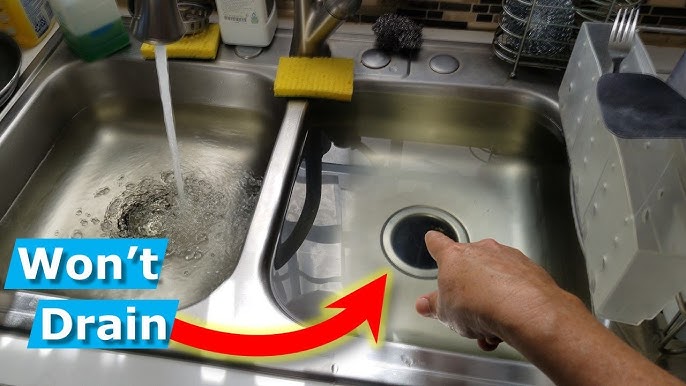
Is your kitchen sink draining slowly or completely clogged? Before calling a plumber or reaching for harsh chemicals, there’s a simple tool that can save you time, money, and frustration: a drain snake.
Using a drain snake might sound tricky, but with the right steps, you can clear stubborn blockages quickly and get your sink flowing smoothly again. In this guide, you’ll learn exactly how to use a drain snake on your kitchen sink—no plumbing experience needed.
Keep reading, and you’ll be surprised how easy it is to tackle this common problem yourself!
Tools And Safety
Using a drain snake on your kitchen sink is a practical way to clear clogs fast. Before starting, knowing the right tools and safety steps is very important. This keeps the task smooth and prevents damage or injury.
Essential Equipment
First, get a drain snake made for kitchen sinks. Handheld models work best for small pipes. You will also need a bucket to catch water and debris. A screwdriver can help remove the drain cover if needed. Have a flashlight nearby to see inside the drain clearly.
Protective Gear
Wear rubber gloves to keep your hands clean and safe. Gloves protect from germs and sharp objects inside the drain. Use safety goggles to shield your eyes from splashes. Old clothes or an apron will protect your outfit from dirt and water.
Preparing The Workspace
Clear the area under the sink. Remove any items that might get wet or damaged. Place the bucket under the pipes to catch spills. Lay down old towels on the floor to protect from water. Make sure the room is well-lit for better visibility.
Credit: www.benjaminfranklinplumbing.com
Accessing The Drain
Accessing the drain is the first step to clear a clog using a drain snake. It means reaching the pipe where the blockage is. This step can involve removing parts under the sink. It helps you insert the snake cable deeper and work more effectively. Proper access makes unclogging easier and safer.
Removing The Drain Cover
Start by looking at the sink drain. Most drains have a cover or stopper. This cover sits on top of the drain hole. You need to remove it to insert the snake. Some covers twist off by hand. Others may need a screwdriver to remove screws. Keep the screws safe if you take them out.
After removing the cover, check inside the drain. You might see debris or hair. Clear any loose bits by hand or with a paper towel. This step helps the snake move freely into the pipe. It also gives a clear path to the clog.
Detaching The P-trap
The P-trap is the U-shaped pipe under the sink. It holds water to block sewer gases. This trap can also catch debris and cause clogs. Sometimes, you must remove the P-trap to reach the clog fully. Put a bucket below to catch water and debris.
Use a wrench or pliers to loosen the slip nuts on the P-trap. Turn them counterclockwise. Carefully remove the trap and let water drain into the bucket. Check inside the trap for blockages. Clean it out if needed before proceeding.
With the P-trap removed, you can see the drain pipe that goes into the wall. This opening allows easy access for the drain snake. Be ready to reattach the P-trap after clearing the clog. Tighten the nuts securely to avoid leaks.
Using The Drain Snake
Using a drain snake is a practical way to clear blockages in your kitchen sink. The process requires patience and care to avoid damaging your pipes. This section explains how to handle the drain snake properly for the best results.
Inserting The Snake Cable
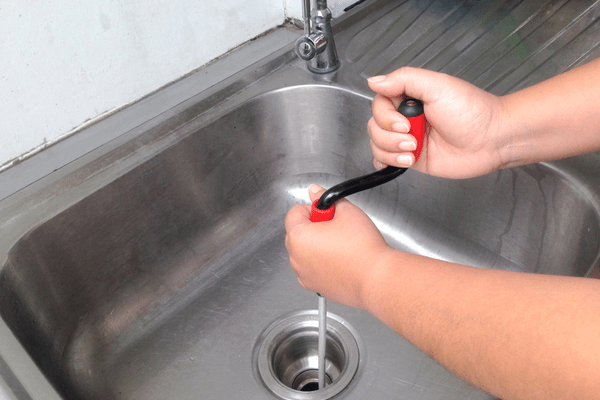
Start by holding the snake cable firmly. Slowly insert the cable into the sink drain opening. Push it gently to avoid scratching the pipe. Keep feeding the cable until you feel resistance.
Feeding Through The Pipe
Continue to feed the cable deeper into the pipe. Turn the snake handle clockwise to help the cable move forward. This twisting action helps the snake navigate through the pipe. Stop if you feel strong resistance.
Handling Pipe Bends
When the snake reaches a bend, slow down. Twist the cable carefully to guide it around the corner. Do not force the snake too hard. Forcing can damage your pipes or the snake itself.
Breaking Up The Clog
Once you reach the clog, rotate the snake back and forth. This motion helps break up or hook the blockage. Keep turning until the resistance lessens. You may feel the clog loosening inside the pipe.
Removing The Snake
Slowly pull the snake cable out of the drain. Keep twisting the handle while pulling. This prevents the clog from sticking to the cable. Clean the snake cable after removal to keep it ready for next use.
Credit: www.youtube.com
Post-cleaning Steps
After successfully using a drain snake to clear your kitchen sink, taking proper post-cleaning steps is essential. These steps help ensure your plumbing works well and your tools stay in good condition. Follow the simple instructions below to finish the job right.
Reassembling The Plumbing
Begin by carefully putting the plumbing parts back together. Reattach the P-trap under the sink securely. Make sure all connections are tight to avoid leaks. Check for any washers or seals and place them correctly. Tightening the slip nuts by hand is usually enough. Avoid using too much force, which can cause damage.
Flushing The Drain
Run hot water down the drain for several minutes. This action helps clear any remaining debris inside the pipes. Hot water also removes grease buildup and freshens the drain. You can use a mixture of baking soda and vinegar for extra cleaning power. Allow the mixture to fizz for a few minutes, then rinse with hot water.
Cleaning The Snake
Remove any debris stuck on the drain snake cable. Use an old cloth or paper towel to wipe it clean. Rinse the cable with water to remove grease and dirt. Dry the snake thoroughly to prevent rust. Store it in a dry place for the next use. Proper cleaning extends the life of your tool and keeps it ready for future jobs.
Troubleshooting Tips
Using a drain snake in your kitchen sink can solve many clog problems. Sometimes, you might face issues while using the tool. Troubleshooting tips help you avoid frustration and fix the blockage faster.
These tips cover when to use special attachments, common errors to avoid, and other methods to try if the snake does not work.
When To Use A Drill Attachment
A drill attachment helps speed up the snake rotation. It is useful for tough clogs deep inside pipes. Use it carefully to avoid pipe damage.
Attach the snake to a drill with low speed settings. Keep control to prevent the cable from twisting too much. Stop if you feel resistance that is too strong. Switch back to manual use if needed.
Avoiding Common Mistakes
Do not force the snake if it stops moving. Forcing can break the cable or damage pipes. Insert the snake slowly and turn it gently.
Remove the P-trap before snaking. This gives better access and prevents damage to the trap. Clean the snake after use to keep it working well.
Wear gloves and protect your eyes from splashes. Clean the area thoroughly after unclogging to avoid odors and bacteria.
Alternative Methods
If the snake does not clear the clog, try other options. Use a plunger to loosen blockages near the drain opening. Pour hot water to help dissolve grease clogs.
Mix baking soda and vinegar, then pour into the drain. Let it sit before flushing with hot water. These natural methods can clear minor clogs safely.
Call a plumber if the clog remains after these steps. Professional tools and skills may be needed for serious blockages.
Preventing Future Clogs
Preventing future clogs in your kitchen sink saves time and avoids plumbing problems. Regular care and mindful habits keep drains clear and flowing. Simple steps help stop debris buildup and reduce the need for harsh chemicals or frequent snaking.
Routine Maintenance
Clean your drain regularly with hot water to dissolve grease. Use a mixture of baking soda and vinegar once a month. Let it sit for 15 minutes before flushing with hot water. Avoid pouring grease or oil down the drain. These substances harden and cause blockages.
Check the drain cover and remove trapped food scraps daily. Use a drain strainer to catch debris and prevent it from entering pipes. Flush the drain with boiling water weekly to clear minor buildup. Keep your pipes healthy with these small but effective habits.
Safe Disposal Practices
Dispose of food scraps in the trash, not the sink. Avoid putting coffee grounds, eggshells, and fibrous vegetables down the drain. These materials clump and clog pipes quickly. Use a compost bin for organic waste whenever possible.
Do not flush grease, oil, or fat down the sink. Let them cool and throw them in the garbage. Avoid using chemical drain cleaners as they can damage pipes. Instead, rely on natural cleaning methods and regular snaking to maintain clear drains.
:max_bytes(150000):strip_icc()/unblock-a-sink-with-a-snake-2718783-03-2e22ae6340f543d1816812f2c8f14199.jpg)
Credit: www.thespruce.com
Frequently Asked Questions
How To Use The Snake To Unclog A Kitchen Sink?
Remove the drain cover if needed. Insert the snake into the drain. Rotate and push until resistance is felt. Move it back and forth to clear the clog. Slowly pull out while rotating. Reassemble and flush with hot water.
How To Use A Drain Snake Correctly?
Wear gloves and place a bucket under the sink. Insert the snake into the drain, turning clockwise. Rotate and push through the clog. Pull out while rotating. Repeat if needed. Reassemble pipes and flush with hot water. Avoid forcing the snake to prevent pipe damage.
How Do You Unblock A Badly Blocked Kitchen Sink?
Wear rubber gloves and place a bucket under the sink. Remove the P-trap for direct pipe access. Insert and rotate a drain snake clockwise until resistance clears. Pull out the snake while rotating. Reassemble the trap and flush with hot water to confirm the clog is gone.
What Are Common Mistakes Using Drain Snakes?
Common mistakes using drain snakes include forcing the snake through bends, damaging pipes, not rotating the snake properly, and ignoring persistent clogs. Avoid using power tools without experience and never combine with chemical cleaners. Call a professional if the clog remains.
Conclusion
Using a drain snake can save time and money on sink clogs. Take your time and follow each step carefully. Always wear gloves and work gently to avoid pipe damage. If the clog stays stubborn, consider calling a plumber. Regular use of a drain snake can keep your kitchen sink flowing smoothly.
With practice, this tool becomes easier to use. Keep your sink clear and avoid messy backups. Simple tools and careful work make a big difference.