
When you’re cooking at home, the tools you use can make a big difference in your results. Enameled cast iron cookware is gaining popularity, but how exactly does it affect your cooking?
If you’ve ever wondered whether it’s worth the investment or how it might change the taste, texture, or ease of your meals, you’re in the right place. This article will break down what makes enameled cast iron unique and how it can transform your everyday cooking.
By the end, you’ll know if this cookware is the secret ingredient your kitchen has been missing. Keep reading to discover how enameled cast iron could elevate your home cooking like never before.
Enameled Cast Iron Basics
Enameled cast iron is a popular choice for home cooks. It combines the strength of cast iron with a smooth, glass-like coating. This coating covers the entire surface, inside and out. It protects the iron and changes how food cooks. Understanding its basics helps you know what to expect in your kitchen.
This type of cookware heats evenly and holds heat well. It works great for slow cooking, frying, and baking. The enamel coating makes it easier to clean and stops food from sticking. It also prevents rust, so the pan lasts longer. Knowing these basics helps you use enameled cast iron effectively.
What Is Enameled Cast Iron
Enameled cast iron is cast iron coated with enamel. Enamel is a glass-like layer fused to the metal at high heat. This layer creates a smooth, hard surface that resists stains and rust. It stops iron from touching food directly. The coating comes in many colors and finishes.
It keeps the cast iron’s heat retention and durability. The enamel layer makes it non-reactive to acidic foods. This means you can cook tomato sauces or citrus dishes without worry. The coating also makes cleaning easier since food does not stick as much.
How It Differs From Traditional Cast Iron
Traditional cast iron has no coating and needs seasoning. Seasoning creates a natural non-stick surface using oil. It also protects against rust but requires regular care. Enameled cast iron has a built-in protective layer that needs no seasoning.
Traditional cast iron can react with acidic foods, causing a metallic taste. Enameled cast iron does not react due to its coating. Cleaning is simpler as it can be washed with soap without damage. However, enameled cookware is heavier and more fragile if dropped.
Both types keep heat well, but enameled cast iron is better for dishes needing gentle cooking. Traditional cast iron excels at high-heat searing. Choosing between them depends on cooking style and care preferences.

Credit: www.amazon.com
Heat Distribution And Retention
Heat distribution and retention are crucial for cooking success at home. Enameled cast iron cookware excels in spreading heat evenly across the surface. It also holds heat for a long time, allowing steady cooking without frequent temperature changes. This helps achieve consistent results in various recipes.
Because of its thick construction and enamel coating, heat moves slowly and uniformly. This prevents hot spots that burn food or uneven cooking that leaves some parts raw. The enamel layer adds a smooth finish, improving heat flow and making cleanup easier.
Even Cooking Performance
Enameled cast iron heats evenly across the cooking surface. It spreads heat from the burner to the entire pot or pan. This means food cooks at the same rate in every spot. You avoid burnt edges or undercooked centers.
Such even heat is perfect for braising, roasting, and simmering. It also helps maintain a steady simmer without constant adjustments. You get tender, well-cooked meals every time.
Impact On Cooking Times
The strong heat retention of enameled cast iron affects cooking times. Once hot, it stays hot for longer periods. This can reduce the need to keep high heat on the burner.
Cooking times may be shorter for some dishes because the cookware holds heat well. Slow-cooked recipes get consistent warmth, enhancing flavor development. Overall, you save energy and improve meal quality with this cookware.
Non-reactive Surface Benefits
Enameled cast iron cookware plays a key role in keeping moisture inside food. This feature helps lock flavors and juices. It improves the overall cooking experience at home. Moisture retention makes dishes taste richer and more satisfying.
The enamel coating creates a smooth barrier. This prevents moisture from escaping during cooking. As a result, food stays juicy and tender. The sealed environment enhances flavor concentration inside the pot or pan. This effect is especially useful for slow cooking and braising.
How Enamel Seals In Juices
The enamel surface is non-porous and tight. It stops liquids from evaporating quickly. This keeps natural juices locked inside the food. The sealed lid of enameled cast iron also traps steam. Steam then circulates, moistening ingredients evenly. This process protects delicate flavors and aromas. It helps maintain the food’s original taste and freshness.
Effects On Texture And Tenderness
Moisture retention directly affects texture. It prevents food from drying out during long cooking times. Meats become tender and soft, not tough or chewy. Vegetables remain moist and full of flavor. The slow, even heat of enameled cast iron encourages gentle cooking. This enhances the food’s mouthfeel and overall quality.

Credit: www.amazon.com
Moisture Retention And Flavor Lock
Choosing the right enameled cast iron cookware can change your cooking experience. This type of cookware offers even heat distribution and a non-reactive surface, ideal for various recipes. Picking the best piece depends on your cooking style, budget, and preferences.
Top Brands And Features
Some brands lead the market with quality and durability. Le Creuset is famous for vibrant colors and excellent heat retention. Staub offers a matte enamel finish that resists chipping and scratches well. Lodge provides affordable options without compromising performance. All these brands use thick cast iron for steady heat. Their enamel coating prevents rust and avoids food sticking.
What To Look For When Buying
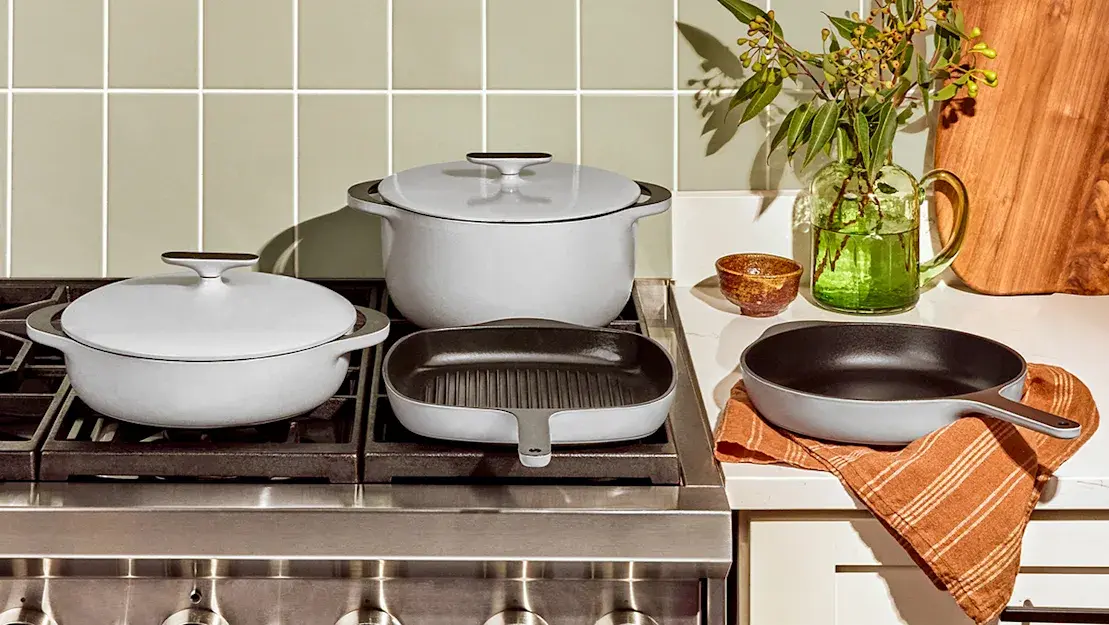
Choose cookware with a smooth, chip-resistant enamel coating. Check the weight; heavier pans hold heat longer. Pick the right size for your typical meals, from small skillets to large Dutch ovens. Look for comfortable handles that stay cool and fit your grip. Oven-safe lids add versatility for slow cooking and baking. Confirm the cookware works on your stove type, including induction.
Credit: www.carawayhome.com
Frequently Asked Questions
What Are The Downsides Of Enameled Cast Iron?
Enameled cast iron is heavy, expensive, and prone to chipping or cracking if dropped. It heats unevenly and can stain. Cleaning requires care to avoid damaging the enamel coating.
Is It Healthy To Cook In Enameled Cast Iron?
Cooking in enameled cast iron is healthy. The enamel coating prevents metal leaching and stops reactions with acidic foods. It retains heat evenly and preserves food flavor without harmful chemicals. This cookware offers a safe, durable, and non-reactive surface ideal for various cooking styles.
What Mistakes Should I Avoid With Enameled Cast Iron Cookware?
Avoid using metal utensils that can chip enamel. Do not heat empty cookware or use high heat. Avoid sudden temperature changes to prevent cracking. Clean gently with non-abrasive tools. Never stack without protection to prevent scratches.
Why Do Chefs Not Use Cast Iron?
Chefs avoid cast iron due to its heavy weight, slow heating, maintenance needs, and reactivity with acidic foods.
Conclusion
Enameled cast iron brings steady heat and even cooking to your kitchen. It keeps food moist and prevents sticking without extra oil. The enamel coating stops reactions with acidic ingredients, letting flavors shine true. Cleaning becomes easier since food doesn’t cling tightly.
Though it heats slower than some pans, it maintains temperature well for long cooking. This cookware suits soups, stews, and slow-cooked meals perfectly. Choosing enameled cast iron can improve your home cooking experience simply and reliably.