
When it comes to preparing fresh vegetables at home, having the right knife can make all the difference. If you’ve ever wondered what a Nakiri knife is and why it’s gaining popularity among home cooks, you’re in the right place.
This unique Japanese knife is designed specifically for chopping, slicing, and dicing vegetables with ease and precision. But there’s more to it than just cutting—understanding how to use a Nakiri can transform your cooking experience and make your kitchen tasks faster and more enjoyable.
Ready to discover what makes the Nakiri knife a must-have in your kitchen? Keep reading to learn everything you need to know about this versatile tool and how it can elevate your home cooking.

Credit: shun.kaiusa.com
Nakiri Knife Basics
The Nakiri knife is a popular tool in many kitchens. It is known for its unique design and function. This knife is especially useful for cutting vegetables. Understanding its basics helps you use it better at home.
Below are key points about the Nakiri knife. These include its design, blade material, and sizes. Knowing these details can improve your cooking experience.
Design And Shape
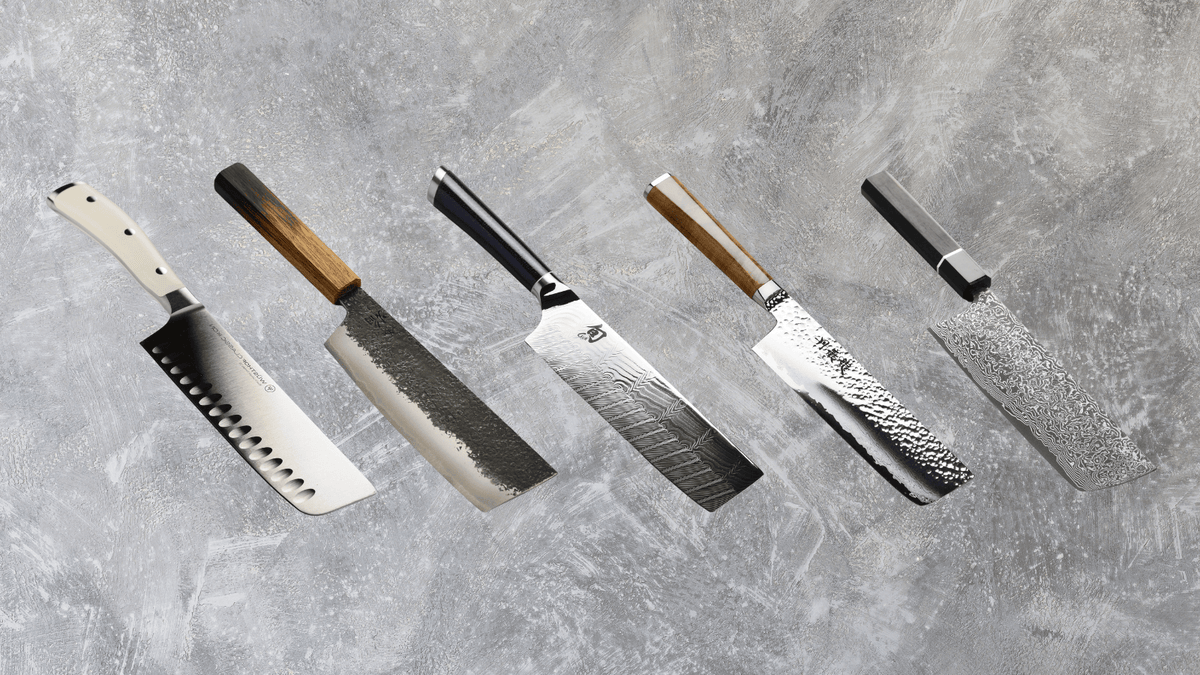
The Nakiri knife has a flat, rectangular blade. This shape allows for clean, straight cuts through vegetables. It usually has a squared-off tip instead of a pointed one. The blade edge is straight, not curved. This design helps with push-cutting motions. It makes chopping fast and precise. The handle is often lightweight and balanced for comfort.
Blade Material And Construction
Most Nakiri knives are made from high-carbon stainless steel. This material holds a sharp edge for longer periods. It also resists rust and corrosion well. Some knives have layered steel for extra strength. The blade is usually thin to slice smoothly. The construction focuses on sharpness and durability. This ensures the knife stays effective in daily use.
Typical Sizes
Nakiri knives commonly range from 5 to 7 inches in blade length. The 6-inch size is the most popular choice. This size offers good control and reach. Smaller knives are easier to handle for quick tasks. Larger knives provide more cutting surface for big jobs. Choose a size that fits your hand and cooking style.

Credit: shun.kaiusa.com
Vegetable Cutting Techniques
Understanding how a Nakiri knife differs from other kitchen knives helps you choose the right tool. Each knife offers unique features suited to specific tasks. Comparing the Nakiri with popular knives clarifies its best uses in your home kitchen.
Nakiri Vs Santoku
The Nakiri has a straight, flat blade edge designed for chopping vegetables. It allows clean cuts without rocking the blade. The Santoku has a curved blade edge that enables a rocking motion. It works well for slicing, dicing, and mincing a variety of foods. Nakiri blades are usually thinner and lighter than Santoku blades. This makes the Nakiri easier to handle for precise vegetable cuts.
Nakiri Vs Chef’s Knife
The Chef’s knife has a broad, curved blade that supports rocking chopping. It excels at cutting meats, vegetables, and herbs. The Nakiri’s flat blade focuses on straight slicing and chopping of vegetables. Chef’s knives tend to be heavier and thicker than Nakiris. The Nakiri offers better control for delicate vegetable work. Chef’s knives are more versatile but less specialized for vegetables.
Advantages Of Nakiri
The Nakiri knife gives clean, thin cuts without bruising vegetables. It has a wide blade that acts as a scoop for transferring chopped food. The flat blade edge keeps contact with the cutting board, making chopping efficient. Its lightweight design reduces hand fatigue during long prep sessions. The Nakiri is ideal for home cooks who prepare many vegetables daily. It helps keep vegetable pieces uniform and attractive.
Credit: cutleryandmore.com
Frequently Asked Questions
Can You Use A Nakiri Knife For Everything?
A nakiri knife excels at chopping vegetables but isn’t ideal for all tasks. Avoid cutting bones or hard foods with it.
How To Properly Use A Nakiri Knife?
Hold the nakiri knife with a firm grip. Use a straight up-and-down motion for chopping vegetables. Keep the blade flat against the cutting board. Avoid rocking the knife. Clean and dry it after each use to maintain sharpness.
What Are Nakiri Knives Best For?
Nakiri knives excel at chopping, slicing, and dicing vegetables with precision. Their straight blade ensures clean, even cuts. They also handle herbs, fruits, and some meats well. Ideal for efficient vegetable prep, they offer control and comfort in the kitchen.
Can A Nakiri Knife Cut Meat?
A nakiri knife primarily suits cutting vegetables with its straight edge. It can slice soft meats but isn’t ideal for tougher cuts. Use it for thin, delicate meat slices rather than heavy-duty butchering. Its flat blade excels at chopping, dicing, and precise slicing tasks.
Conclusion
A Nakiri knife brings ease to your kitchen tasks. It cuts vegetables cleanly with its flat blade. You can also use it for herbs and fruits. Its straight edge helps you slice quickly and safely. The knife feels balanced and comfortable in your hand.
Owning one adds variety to your cooking tools. Try it to enjoy smooth, precise chopping every day. This simple tool suits both beginners and experienced cooks. Keep it sharp and handle it with care. A Nakiri knife truly makes home cooking more enjoyable.