
Have you ever wondered why so many recipes call for vanilla extract? It might seem like just a small ingredient, but vanilla extract plays a powerful role in your cooking.
When you add it, your dishes don’t just taste sweet—they gain depth, warmth, and a rich aroma that can transform everyday meals into something special. Whether you’re baking cookies, making sauces, or even preparing savory dishes, vanilla extract can enhance your flavors in surprising ways.
Keep reading to discover why this humble bottle matters so much in your kitchen and how it can elevate your home cooking to the next level.
Role Of Vanilla Extract
Vanilla extract plays an important role in home cooking. It is more than just a flavoring agent. It adds depth and complexity to many dishes and baked goods. Understanding its role helps you appreciate why recipes often call for it.
Flavor Enhancement
Vanilla extract boosts the overall flavor of recipes. It brings out hidden notes in other ingredients. Even in simple dishes, it adds richness and warmth. This helps make desserts taste fuller and more satisfying.
Aroma Contribution
The scent of vanilla extract is inviting and comforting. It fills the kitchen with a sweet, floral aroma. This aroma can increase appetite and enjoyment. It also enhances the sensory experience of cooking and eating.
Balancing Sweetness
Vanilla extract helps balance the sweetness in recipes. It smooths out sharp or overpowering sugar flavors. This creates a more rounded and pleasant taste. It prevents desserts from tasting too sugary or one-dimensional.
Types Of Vanilla Products
Vanilla products come in various forms. Each type offers unique flavors and uses in home cooking. Understanding these types helps you choose the right one for your recipes. Here is a look at the most common vanilla products.
Pure Vanilla Extract
Pure vanilla extract is made by soaking vanilla beans in alcohol and water. This process pulls out the rich, natural flavor of the beans. It is the most popular form for baking at home. The flavor is deep and complex, adding warmth to desserts.
Imitation Vanilla
Imitation vanilla uses synthetic ingredients to mimic real vanilla flavor. It is usually cheaper than pure extract. The taste is simpler and less rich. It works well in recipes where vanilla is not the main flavor.
Vanilla Paste And Powder
Vanilla paste combines vanilla extract with vanilla bean seeds and a thickener. It offers both flavor and visual appeal with tiny black specks. Vanilla powder is made from dried vanilla beans ground into a fine powder. Both are great for adding intense vanilla taste without liquid.
Whole Vanilla Beans
Whole vanilla beans are the purest form of vanilla. You split the bean and scrape out the tiny seeds inside. The seeds and pod add strong flavor to custards, creams, and sauces. Using whole beans takes more time but gives the best aroma and taste.
Choosing The Right Vanilla
Choosing the right vanilla is important for cooking at home. Vanilla extract adds flavor and aroma to many dishes. The quality of vanilla affects the final taste of your recipes. Different types of vanilla extracts are available. Understanding what to pick helps you get the best results in your cooking.
Quality Vs Price
High-quality vanilla extract usually costs more. It has a richer and deeper flavor. Cheap vanilla extract may contain artificial ingredients. These can weaken the flavor in your dishes. Spending a bit more on quality vanilla improves your cooking. It gives desserts and baked goods a natural and pleasant taste.
Reading Labels
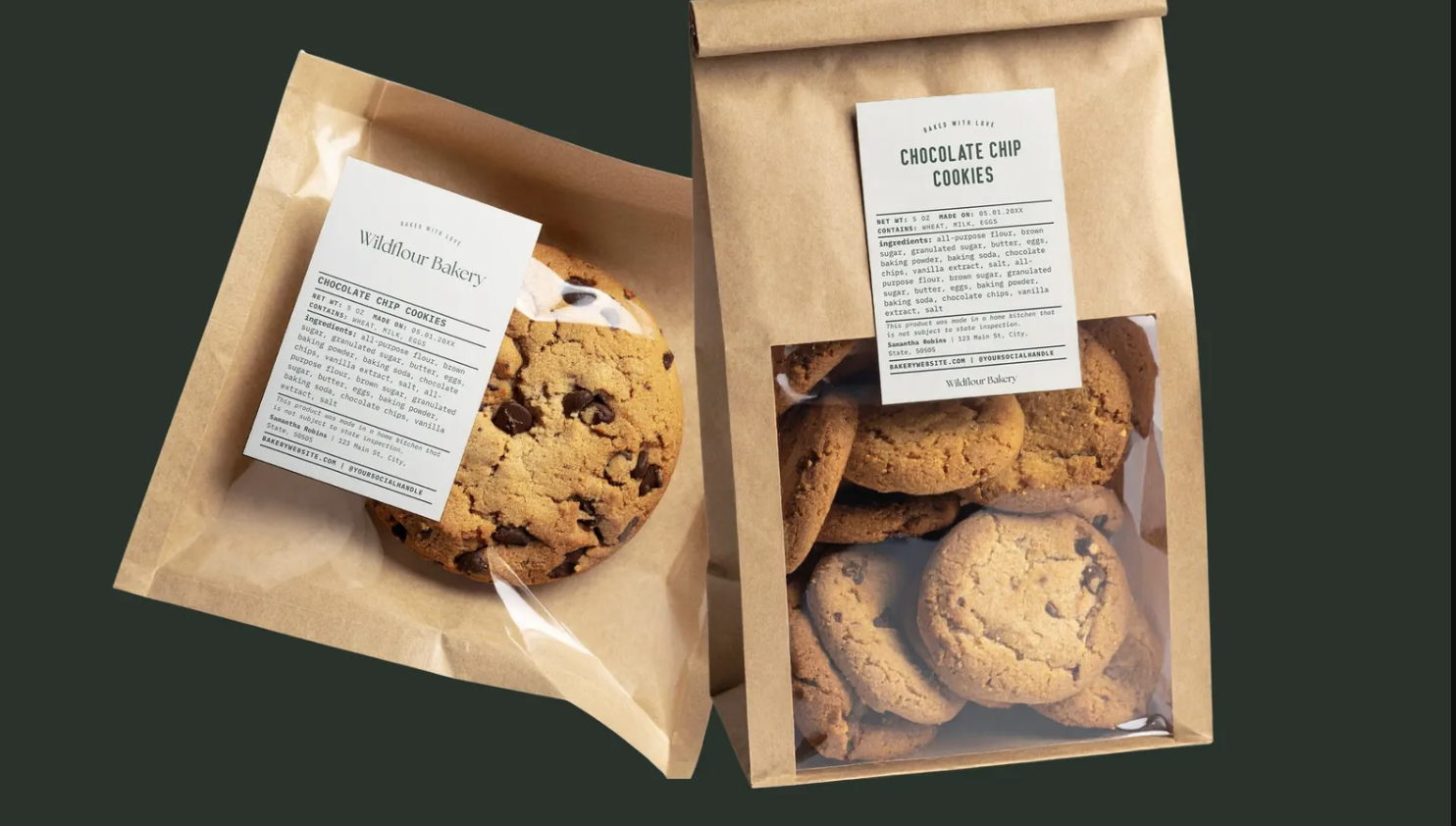
Always check the label before buying vanilla extract. Pure vanilla extract contains real vanilla beans and alcohol. Imitation vanilla has synthetic vanillin and other additives. Look for terms like “pure vanilla extract” or “organic vanilla.” Avoid products with many added chemicals. Clear labeling helps you pick natural and authentic vanilla.
Storage Tips
Store vanilla extract in a cool, dark place. Keep it away from heat and sunlight. These can degrade the flavor over time. Use a tightly sealed bottle to keep freshness. Proper storage ensures your vanilla stays flavorful longer. This way, you get the most out of every drop in your cooking.
Using Vanilla Extract In Cooking
Vanilla extract is a key ingredient in many recipes. Many home cooks make simple mistakes that affect the flavor. These errors can weaken the taste or spoil the dish. Avoiding common mistakes with vanilla can improve your cooking results.
Overheating Vanilla
Vanilla extract is delicate. High heat can cause it to lose flavor quickly. Adding vanilla to boiling mixtures can burn off the aroma. Instead, add vanilla after cooking or at low heat. This keeps its rich, sweet taste intact.
Using Low-quality Extract
Not all vanilla extracts are the same. Cheap or imitation vanilla lacks depth and complexity. These versions taste artificial and flat. Real vanilla extract, made from vanilla beans, offers a natural and full flavor. Choosing quality vanilla raises your recipe’s taste.
Skipping Vanilla In Recipes
Some people skip vanilla to save time or money. Vanilla adds warmth and balances sweetness. Without it, desserts can taste bland or one-dimensional. Even small amounts bring out other flavors. Don’t underestimate the power of vanilla in your cooking.
Credit: findhomegrown.com
Frequently Asked Questions
What Happens If I Don’t Use Vanilla Extract In A Recipe?
Omitting vanilla extract results in less flavor complexity and a blander taste in baked goods. It enhances sweetness and balances other ingredients.
Is Vanilla Extract Necessary In A Recipe?
Vanilla extract enhances flavor and sweetness in recipes. It isn’t mandatory but improves taste and depth in baked goods.
Is It Okay To Not Add Vanilla Extract?
Yes, you can skip vanilla extract, but it adds depth and enhances flavor in baked goods. Without it, taste may be flat.
Can I Substitute Anything For Vanilla Extract In Baking?
You can substitute vanilla extract with vanilla bean paste, vanilla powder, almond extract, maple syrup, or a pinch of cinnamon. Adjust amounts to taste.
Conclusion
Vanilla extract adds depth and warmth to home-cooked dishes. It enhances sweetness and balances flavors naturally. Even small amounts can change the taste noticeably. Using quality vanilla extract makes desserts taste richer and more inviting. It works well beyond sweets, improving sauces and marinades too.
Simple, affordable, and easy to use—vanilla extract truly matters in cooking at home. Try it and taste the difference yourself.