
Are you new to cooking and feeling unsure about how to use a frying pan? You’re not alone.
Mastering this simple kitchen tool can open up a world of delicious meals right at home. Whether you want to fry eggs, sauté vegetables, or cook the perfect steak, knowing how to handle your frying pan correctly makes all the difference.
In this guide, you’ll learn easy steps to get started, avoid common mistakes, and cook like a pro—even if you’ve never turned on the stove before. Keep reading, and soon you’ll be confident in your frying skills and ready to impress your family and friends with tasty homemade dishes.
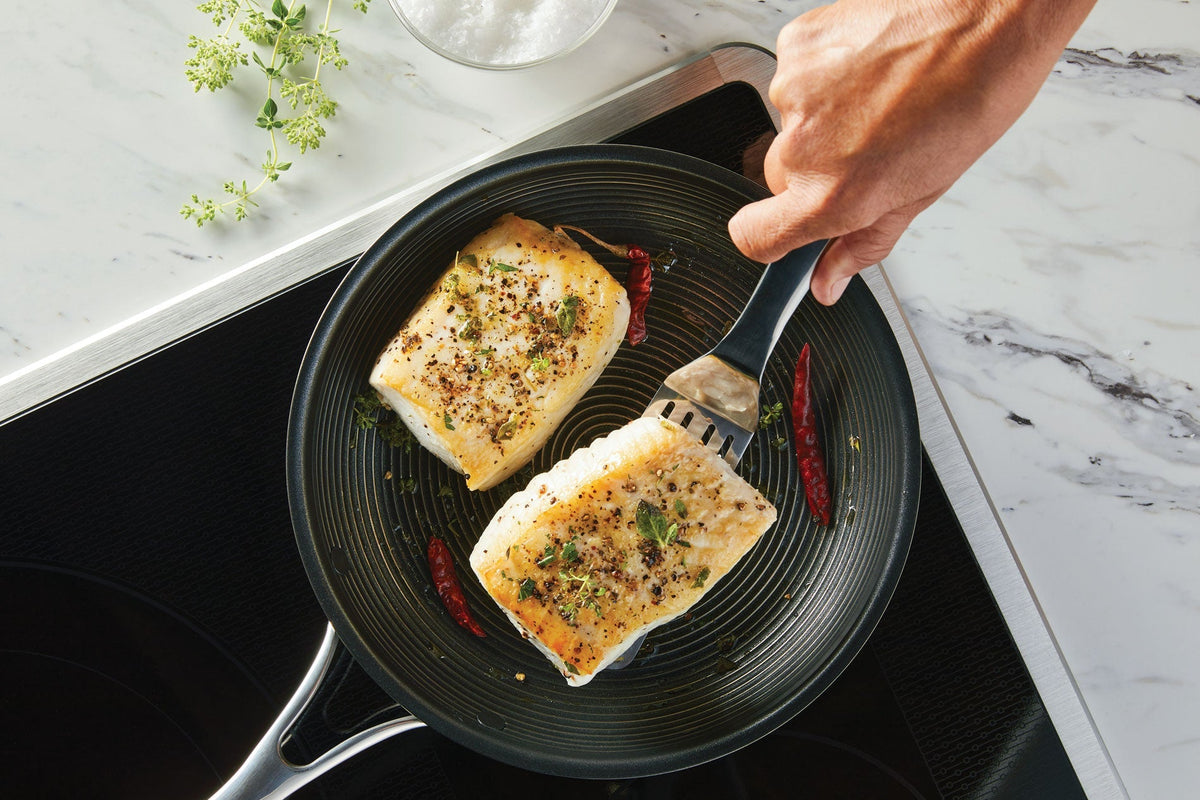
Credit: circulon.com
Choosing The Right Frying Pan
Choosing the right frying pan is the first step to cooking success at home. A good pan fits your cooking style and the meals you want to make. It also lasts long and feels comfortable to use. This guide will help you pick the best pan for your kitchen.
Types Of Frying Pans
There are several types of frying pans. Non-stick pans are easy to clean and great for cooking eggs and pancakes. Cast iron pans hold heat well and are perfect for frying and searing. Stainless steel pans are strong and work well for browning food. Each type has its own use and benefits.
Materials And Their Benefits
Non-stick pans have a coating that stops food from sticking. They need gentle care. Cast iron pans can last for decades if you keep them seasoned. They add iron to your food. Stainless steel pans do not react with food and are dishwasher safe. Aluminum pans heat quickly but may warp easily.
Size And Shape Considerations
Choose a pan size that matches your cooking needs. A 10-inch pan is good for most meals. Bigger pans cook more food at once but take more space. Look for pans with sloped sides for easy stirring. Flat sides help when cooking pancakes or flatbreads. The handle should feel secure and stay cool.
Preparing Your Frying Pan
Managing temperature and timing is key to cooking well with a frying pan. Heat control affects how food cooks and tastes. Too hot, and food burns. Too low, and it cooks slowly or sticks. Timing also matters to get the right texture and flavor. Learning to manage both helps avoid common cooking problems.
Avoiding Sticking And Burning
Start by heating the pan before adding oil. This helps create a smooth surface. Add oil once the pan is warm. Wait for the oil to heat up before adding food. Use medium heat for most dishes. High heat can burn food quickly. Low heat can cause sticking. Stir or move food often to stop burning. Clean the pan between uses to keep it smooth.
Using The Shimmer Test For Oil
Check if oil is ready with the shimmer test. Look at the oil surface closely. When it starts to move and shine, it is hot enough. The oil should look thin and ripple. This means food will cook evenly. Avoid adding food when oil smokes. Smoking oil means it is too hot and can burn food. Use oils with a high smoke point for frying.
When To Flip Or Stir
Wait to flip food until it naturally releases from the pan. If it sticks, it is not ready. For frying, flip once the bottom is golden brown. Stirring helps cook food evenly. Stir gently to avoid breaking soft foods. Use a spatula or wooden spoon to flip or stir. Timing depends on the food type and thickness. Watch food closely to avoid overcooking.
Basic Frying Techniques
Troubleshooting common frying pan issues helps improve cooking results. Beginners often face problems like food sticking, uneven cooking, or smoke. Fixing these issues makes cooking easier and more enjoyable. Below are simple tips to solve these common problems.
Food Sticking To The Pan
Food sticks when the pan is too cold or not oiled well. Always preheat the pan before adding oil. Wait until the oil is hot and shimmering. Avoid moving the food too soon; let it form a crust first. Use non-stick pans or well-seasoned cast iron for sticky foods. Clean the pan properly to keep its surface smooth.
Uneven Cooking
Uneven cooking happens when heat spreads poorly across the pan. Use a pan with a thick, flat bottom for better heat distribution. Adjust the burner size to match the pan’s size. Stir or turn food regularly to cook all sides evenly. Avoid overcrowding the pan, as it lowers the temperature. Medium heat works best for most frying tasks.
Smoke And Overheating
Smoke appears when the pan or oil gets too hot. Use oils with high smoke points like vegetable or canola oil. Lower the heat if smoke starts to rise. Remove the pan from heat to cool it down quickly. Keep the kitchen ventilated to clear smoke faster. Avoid overheating to protect the pan’s coating and your food’s flavor.

Credit: www.all-clad.com
Frequently Asked Questions
How Do I Properly Use A New Frying Pan For The First Time?
Preheat the new frying pan on medium heat for 2-3 minutes. Add a small amount of oil and swirl to coat. Cook food evenly without overcrowding. Clean the pan gently after use to maintain its surface. Repeat seasoning if needed for non-stick performance.
What Are 5 Rules For Frying?
Preheat the pan over medium heat. Add oil once the pan is hot. Avoid overcrowding the pan. Cook food evenly by flipping or stirring. Drain excess oil after frying.
How Do I Use A Frying Pan Correctly?
Preheat the frying pan on medium heat before adding oil. Add oil once the pan is hot and shimmering. Cook food evenly without overcrowding. Use appropriate utensils to avoid damaging the pan surface. Clean and dry the pan after use to maintain its quality.
Do You Use Oil When Pan Frying?
Yes, use a small amount of oil when pan frying to prevent sticking and ensure even cooking. Heat oil until it shimmers before adding food.
Conclusion
Using a frying pan at home is simple and fun. Start with a clean, dry pan and add a little oil. Heat the pan over medium heat until the oil shimmers. Place your food carefully to avoid splatters. Cook evenly by turning or stirring as needed.
Practice helps you learn the right temperature and timing. With patience, you’ll cook tasty meals every time. Keep your pan clean and store it properly for long use. Enjoy cooking and exploring new recipes with your frying pan!