
When you step into your kitchen, the tools you choose can make a surprising difference in your cooking results. One often overlooked but powerful tool is your cutting board—especially if it’s made of wood.
Have you ever wondered how a wooden cutting board might change the way you prep your meals? From preserving knife sharpness to affecting food safety, the type of cutting board you use plays a bigger role than you might think.
You’ll discover why wood cutting boards are not just a stylish choice but a practical one that can improve your cooking experience and the flavors on your plate. Keep reading to find out how this simple kitchen staple can elevate your home cooking every time.

Credit: www.deerparkwoodwork.com
Benefits Of Wood Cutting Boards
Wood cutting boards offer many advantages for home cooking. They provide a reliable and durable surface for food preparation. Choosing wood can improve hygiene, protect knives, and add charm to your kitchen space. These benefits make wood boards a popular choice among home cooks.
Natural Antibacterial Properties
Wood has natural antibacterial qualities that help keep germs away. Tiny pores in the wood trap bacteria, preventing them from spreading. Studies show bacteria on wood die faster than on plastic surfaces. This feature makes wood cutting boards safer for handling raw foods.
Knife-friendly Surface
Wood is gentle on knife edges, reducing blade dulling. The soft surface helps maintain sharpness longer than hard plastic or glass. Using wood boards means fewer trips to sharpen knives. This benefit saves money and keeps cutting efficient.
Aesthetic Appeal In Kitchens
Wood cutting boards add warmth and beauty to any kitchen. Their natural grain and color enhance countertop decor. Many wood boards also double as serving platters, creating a rustic feel. This style elevates cooking and dining experiences at home.
Impact On Food Safety
Wood cutting boards have a unique effect on food safety in home kitchens. Their natural properties influence how bacteria behave on their surface. This can affect the cleanliness and safety of the food you prepare. Understanding these effects helps you use wood boards safely and keep your meals healthy.
Wood can absorb moisture and juices from food. This makes it different from plastic or glass boards. Knowing how wood handles bacteria and cross-contamination is key for safe cooking at home.
Bacteria Absorption And Removal
Wood is porous, which means it can soak up liquids and small food particles. Bacteria can enter these tiny pores but often get trapped inside. Studies show that many bacteria die quickly inside wood due to its natural properties.
Cleaning wood boards properly removes most bacteria. Washing with hot water and mild soap is enough for daily use. Avoid soaking the board, as excess water can damage it and promote bacteria growth.
Cross-contamination Risks
Cross-contamination happens when bacteria spread from one food to another. Using the same board for raw meat and vegetables raises this risk. Wood boards need careful handling to prevent it.
Use separate boards for raw meats and other foods. This simple step reduces the chance of harmful bacteria spreading. Label or color-code your boards to keep them organized and safe.
Safe Use With Raw Meat
Wood boards can be safe for cutting raw meat if cleaned correctly. Wash immediately after use with hot, soapy water. Sanitize with vinegar or a bleach solution if needed.
Dry the board fully before storing. This stops bacteria from growing in damp wood. Regular oiling also protects the wood and keeps it in good condition.
Effect On Cooking Quality
Wood cutting boards impact cooking quality in many ways. They affect flavor, texture, and even the precision of your cuts. Choosing the right board can improve how your food tastes and looks.
Understanding these effects helps you get better results from your cooking at home.
Flavor Retention And Transfer
Wood naturally absorbs some flavors from the foods cut on it. This can add depth to dishes if the board is used for similar ingredients. However, strong flavors may transfer to other foods if the board is not cleaned well.
Using separate boards for different food types prevents unwanted flavor mixing. The wood’s slight porosity helps hold subtle aromas, enhancing some recipes.
Juice Absorption And Its Effects
Wood cutting boards soak up juices from fruits, vegetables, and meats. This absorption protects your countertop from stains and messes. It also keeps the surface less slippery, making cutting safer.
Over time, absorbed juices can cause the board to darken or develop a natural patina. Proper care prevents the buildup of harmful bacteria in these juices.
Texture And Cutting Precision
Wood offers a firm but forgiving surface for cutting. It protects your knife edges better than glass or stone boards. This helps keep knives sharper longer.
The slight give of wood allows for cleaner, more precise cuts. It also reduces hand fatigue during long cooking sessions. Overall, wood boards improve cutting control and comfort.
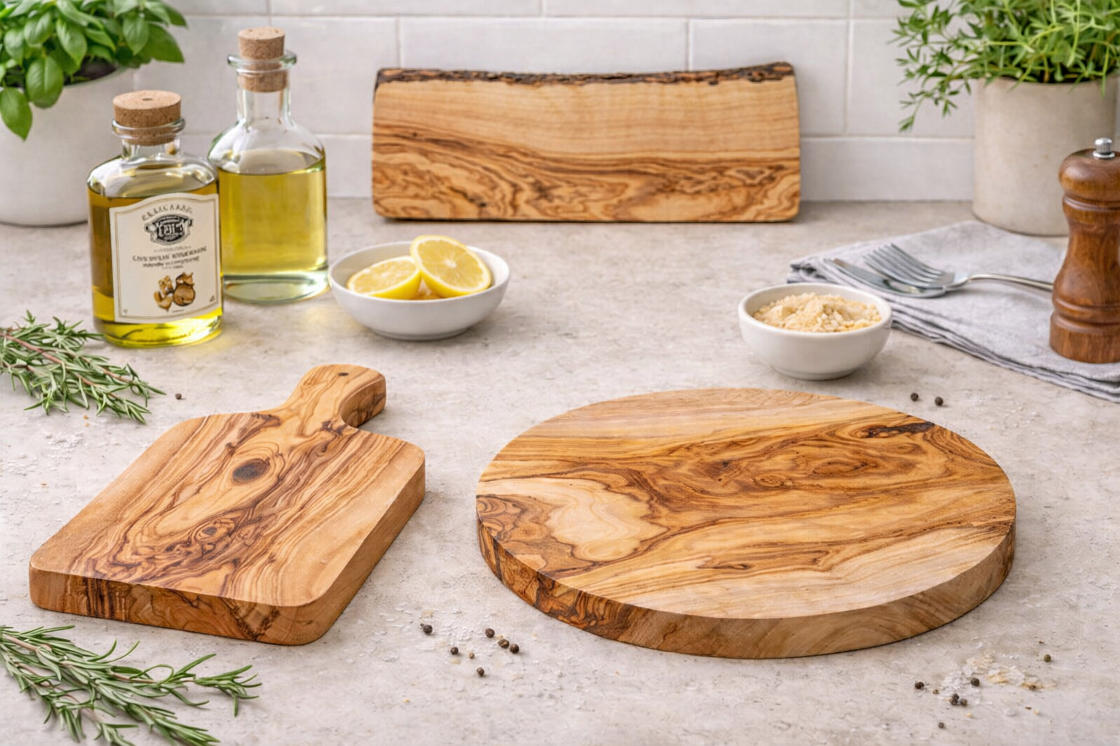
Credit: portuguesetreasures.com
Comparison With Other Materials
Choosing the right cutting board affects your cooking experience and food safety. Various materials offer different benefits and challenges. Wood cutting boards stand out among common options like plastic and metal. Each type impacts cutting ease, hygiene, and maintenance differently. Understanding these differences helps you pick the best board for your kitchen.
Wood Vs Plastic Cutting Boards
Wood cutting boards have a natural surface that is gentle on knives. Plastic boards can show deep cuts faster, which trap bacteria. Wood’s porous nature helps kill bacteria inside the board. Plastic boards must be cleaned carefully to avoid germs. Wood boards often look better with age. Plastic boards come in many colors and are lightweight. Both materials can handle raw meat safely if cleaned well.
Wood Vs Metal Cutting Boards
Metal cutting boards are very durable and easy to clean. They do not absorb liquids or odors. However, metal can dull knives quickly. Wood boards protect your knife edges better. Metal boards can be noisy and slippery. Wood offers a more stable cutting surface. Metal boards rarely stain but lack the warmth of wood. Wood boards require more care but improve cutting comfort.
Durability And Maintenance Differences
Wood boards need regular oiling to stay strong and prevent cracks. They can last for many years with proper care. Plastic boards may wear out faster and warp with heat. Metal boards resist damage but can dent or scratch. Cleaning wood boards requires gentle soap and water; avoid soaking. Plastic boards can go in the dishwasher. Metal boards clean easily but may need polishing. Choosing a board means balancing durability and upkeep.
Care And Maintenance Tips
Proper care and maintenance keep a wood cutting board safe and long-lasting. It helps the board stay smooth and prevents damage. Taking care also stops bacteria from growing in the wood pores. Follow simple steps to keep your board clean and strong for all your cooking needs.
Cleaning Techniques
Wash the board with warm water and mild soap after each use. Avoid soaking it in water to prevent swelling. Use a soft sponge or cloth to clean the surface gently. Rinse well and dry with a towel right away. Air dry the board standing up to let both sides dry evenly.
Seasoning And Oiling
Apply food-safe mineral oil regularly to keep the wood hydrated. Rub the oil into the surface using a soft cloth. Let the oil soak overnight for best results. Wipe off any excess oil before using the board. Seasoning helps prevent cracks and keeps the board from drying out.
Avoiding Warping And Cracking
Do not expose the board to extreme heat or cold. Keep it away from direct sunlight or hot appliances. Avoid placing wet or oily items on the board for long periods. Use both sides of the board to balance wear and moisture. Store the board in a dry, ventilated place to maintain shape.
Professional Chef Preferences
Professional chefs have clear preferences when selecting cutting boards. Their choices impact food quality, safety, and kitchen efficiency. Wood cutting boards remain a popular option in many professional kitchens. Understanding why chefs favor wood helps home cooks improve their cooking results.
Why Chefs Choose Wood
Wood cutting boards offer a sturdy surface that protects knife blades. They are gentle on knives, keeping edges sharp longer. Wood also absorbs some moisture, reducing food slipping during cutting. Chefs value this stability for precise chopping and slicing. The natural texture of wood helps prevent cross-contamination by trapping bacteria below the surface. Many chefs find wood boards easier to clean and maintain over time.
Industry Standards
Restaurants follow strict hygiene standards for cutting boards. Wood is often accepted if properly maintained and sanitized. Certain types of hardwood, like maple and walnut, meet health regulations due to their tight grain. These woods resist deep knife cuts where bacteria can hide. Industry guidelines recommend regular oiling and thorough washing of wood boards. Some restaurants pair wood boards with plastic ones for raw meat handling, ensuring safety and compliance.
Common Practices In Restaurants
Professional kitchens usually assign specific boards for different food types. Wood boards often handle vegetables, bread, and cooked meats. Plastic boards tend to be reserved for raw proteins. Chefs rotate and replace wood boards regularly to avoid wear and damage. Daily cleaning routines include scrubbing, sanitizing, and drying. Many chefs prefer wood because it feels natural and helps maintain a clean workspace. This practice supports consistent food quality and kitchen hygiene.
Common Myths And Misconceptions
Wood cutting boards have a long history in home kitchens. Many people believe certain things about them that are not true. These myths can affect how people use and care for their boards. Let’s clear up some common misconceptions about wood boards and cooking.
Wood Boards And Bacteria Myths
Some think wood cutting boards are full of bacteria and unsafe. Wood is porous, but it also has natural antibacterial properties. Studies show wood can trap bacteria deep inside, where they die off quickly. Plastic boards can hold bacteria in knife grooves longer. Proper cleaning keeps wood boards safe to use.
Safety Concerns Debunked
Many worry that cutting raw meat on wood boards spreads germs. Wood boards should be cleaned well after use, just like plastic boards. Using separate boards for raw meat and vegetables helps prevent cross-contamination. Wood boards do not cause food poisoning if handled correctly. Regular oiling stops the board from cracking and harboring germs.
Longevity Misunderstandings
Wood boards last longer than most people think. They can crack or warp if not cared for, but proper maintenance extends their life. Oiling the board keeps it strong and prevents drying. Unlike plastic, wood boards can be sanded down to remove deep cuts. This makes them look and feel like new again.

Credit: www.globalknives.co.uk
Choosing The Right Wood Board
Choosing the right wood cutting board affects cooking results greatly. A good board protects knives and enhances food safety. It also adds to kitchen style. Knowing what to pick helps you enjoy cooking more. Consider wood type, size, and price carefully.
Types Of Wood Used
Hardwoods like maple, walnut, and cherry are popular choices. These woods resist knife marks and last longer. Maple is light and affordable. Walnut has a rich dark color and smooth texture. Cherry ages well and develops a warm tone. Avoid softwoods like pine; they dent easily and harbor bacteria.
Size And Thickness Considerations
Boards come in many sizes. Small boards are easy to store but limit chopping space. Larger boards offer more room but need more counter space. Thickness adds stability. Thin boards can warp or move during use. Thick boards feel sturdy and last longer. Choose a size that fits your kitchen and cooking style.
Price Vs Quality
Cheap boards may look good but wear out fast. High-quality boards cost more but offer durability and beauty. Quality boards resist stains and cuts better. They also protect knives from dulling. Consider it an investment in cooking tools. Spending a bit more upfront can save money later.
Frequently Asked Questions
What Is The Healthiest Cutting Board To Use For Food?
The healthiest cutting board is hardwood, like maple or bamboo. These resist bacteria and are gentle on knives. Avoid softwoods and plastic boards that harbor germs. Regular cleaning and oiling maintain safety and durability.
What Are The Downsides Of Using A Wooden Cutting Board?
Wooden cutting boards can absorb moisture, leading to warping and cracking. They require regular maintenance. They may harbor bacteria if not cleaned properly. Wood can stain or retain odors from foods. They are less dishwasher-safe compared to plastic boards.
Do Professional Chefs Use Wooden Cutting Boards?
Professional chefs often use wooden cutting boards for their durability, knife-friendly surface, and natural antibacterial properties. They prefer wood for tasks requiring precision and gentle handling. Proper cleaning and maintenance keep wooden boards safe and hygienic in busy kitchen environments.
Is It Safe To Put Raw Meat On A Wood Cutting Board?
It is safe to use a wood cutting board for raw meat if you clean it thoroughly after each use. Wood’s natural properties can inhibit bacteria growth, but always sanitize to prevent cross-contamination. Avoid using damaged boards, as deep grooves can harbor harmful bacteria.
Conclusion
Wood cutting boards impact your cooking in many ways. They protect knife edges, keeping cuts clean and precise. Their natural surface helps reduce bacteria better than plastic boards. A well-maintained wood board lasts longer and feels better to use. It absorbs juices that add flavor but needs proper cleaning.
Choosing the right cutting board can improve food safety and taste. Small care steps keep your board in great shape. Overall, wood boards offer practical benefits for home cooking.