
When you step into your kitchen, the tools you choose can make all the difference in how smoothly your cooking goes. Have you ever wondered why a cleaver matters in cooking at home?
It’s more than just a big, heavy knife—it’s a versatile powerhouse that can handle tough tasks with ease. Whether you’re chopping through dense meat, smashing garlic, or slicing vegetables, a cleaver can save you time and effort. You’ll discover why adding a cleaver to your kitchen arsenal can elevate your cooking experience and make meal prep less of a chore.
Keep reading to find out how this simple tool can transform your home cooking.
Cleaver Types
Choosing the right cleaver enhances your cooking experience at home. Cleavers come in various types, each designed for specific tasks. Understanding these types helps you pick the best one for your kitchen needs.
Chinese Vs Meat Cleaver
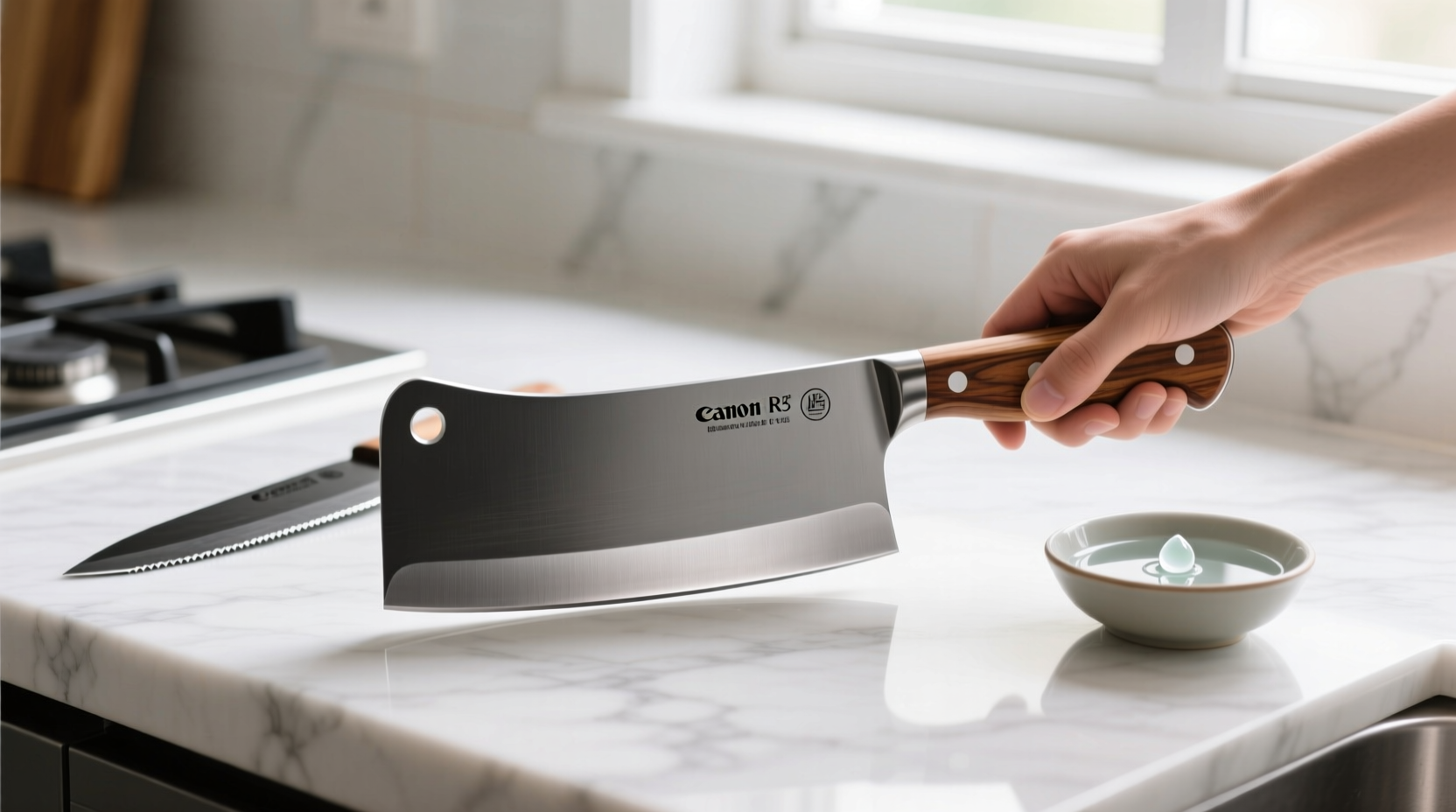
The Chinese cleaver looks large but is thin and light. It slices vegetables and boneless meat with ease. The meat cleaver is heavier and thicker. It chops through bones and tough meat. Both are essential but serve different purposes.
Blade Thickness And Weight
Blade thickness affects how the cleaver cuts. A thin blade is sharp and precise. It works well with delicate foods. A thick blade adds weight for heavy chopping. It breaks through bones and dense ingredients. Weight helps with power but needs control.
Versatility Of Asian-style Cleavers
Asian-style cleavers are very versatile. They can chop, slice, and crush ingredients. Their sharp edges handle vegetables, meat, and herbs. They also work for smashing garlic or ginger. This makes them great for many kitchen tasks.
Cleaver Uses
The cleaver is a versatile tool in the kitchen. Its unique design helps with many cooking tasks. It combines weight and sharpness for efficient food preparation. Home cooks benefit from its strength and wide blade. The cleaver handles tough jobs that other knives struggle with. Here are common uses of the cleaver in home cooking.
Chopping Meat And Bone
The cleaver easily cuts through thick meat and bone. Its heavy blade delivers strong, precise chops. This makes breaking down larger cuts simpler and safer. The cleaver’s weight does most of the work for you. It prevents slipping and helps keep control.
Slicing Boneless Cuts
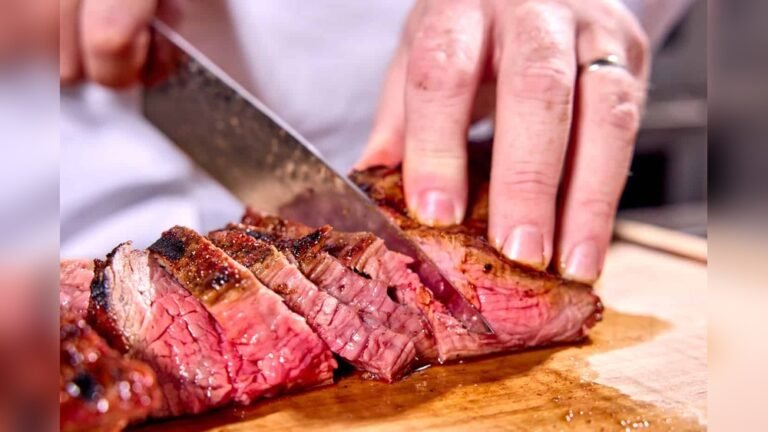
The broad, sharp blade is perfect for slicing boneless meat. It allows smooth, even cuts with less effort. You can cut multiple strips quickly and cleanly. The cleaver’s flat side also helps scoop and move pieces. This saves time during meal prep.
Crushing Garlic And Ginger
The cleaver’s flat side is great for crushing garlic and ginger. Pressing down with the blade releases fresh flavors fast. This method is easier than using a garlic press. It also helps peel garlic skin quickly and cleanly.
Pounding And Tenderizing Meat
The cleaver can tenderize meat by pounding it flat. Use the back or side of the blade to soften tough cuts. This improves texture and helps marinades soak in better. The cleaver’s weight makes pounding less tiring.
Cutting Hard Vegetables
The strong blade cuts through hard vegetables like squash and pumpkin. It breaks down tough skins and dense flesh with ease. The wide blade also helps scoop and transfer chopped veggies. This keeps your workspace neat and speeds up cooking.
Benefits For Home Cooking
Using a cleaver at home offers clear benefits. It makes cooking tasks easier and more efficient. This tool handles tough jobs with less effort. A cleaver helps home cooks prepare meals faster and with better results.
Ease Of Breaking Down Tough Ingredients
A cleaver’s heavy blade cuts through bones and thick meat easily. It smashes garlic and ginger without crushing them too much. Hard vegetables like squash and pumpkin become simpler to chop. The cleaver reduces strain on your hands and wrists.
Multiple Tasks With One Tool
The cleaver is a versatile kitchen tool. It chops, slices, and crushes with one blade. You can use it for vegetables, meat, and herbs. This saves space by reducing the need for many knives. It also simplifies your cooking process.
Time-saving Advantages
The weight and sharpness of a cleaver speed up chopping. Larger cuts become smaller pieces in fewer strokes. This quickens meal prep and cleanup. You spend less time in the kitchen and more time enjoying food.
Choosing The Right Cleaver
Choosing the right cleaver is essential for effective and safe cooking at home. A cleaver is a versatile tool that can handle tough cutting tasks. Picking the best one depends on several factors. These include the material, weight, and handle design. Each element affects how comfortable and efficient the cleaver will be in your kitchen.
Material And Blade Quality
The cleaver’s blade material impacts its sharpness and durability. High-carbon stainless steel is a popular choice. It holds a sharp edge longer and resists rust. Some cleavers use softer steel, which dulls faster but is easier to sharpen. The blade’s thickness also matters. Thicker blades can cut through bones and hard vegetables better. Choose a blade that matches your cooking style and maintenance habits.
Weight Preferences
Weight plays a big role in cleaver performance. Heavier cleavers require less force to chop through tough items. They offer power but may tire your hand quickly. Lighter cleavers give more control and speed. They are good for delicate tasks like slicing vegetables. Your strength and cooking frequency affect which weight suits you best. Test different weights to find what feels natural.
Handle Design
The handle affects grip and safety. Wooden handles offer a traditional feel and good grip when dry. Plastic or composite handles resist moisture and are easier to clean. Ergonomic designs reduce hand fatigue during long use. Look for handles with a secure fit to prevent slipping. A well-designed handle helps you work with precision and comfort.
Care And Maintenance
Proper care and maintenance keep your cleaver sharp and safe. A well-maintained cleaver lasts longer and performs better. Clean and store it correctly after use. Regular honing and sharpening maintain its cutting edge. Follow simple steps for cleaning and storing to avoid damage. This section explains how to care for your cleaver at home.
Honing And Sharpening Tips
Honing aligns the blade’s edge and should be done often. Use a honing steel and hold the blade at a 20-degree angle. Swipe the blade along the steel in smooth strokes. Sharpen the cleaver less often, only when it becomes dull. Use a whetstone or professional sharpener for best results. Keep the blade angle consistent during sharpening. Avoid electric sharpeners as they can remove too much metal.
Cleaning Best Practices
Clean your cleaver immediately after use to prevent rust and stains. Hand wash with warm water and mild soap. Avoid soaking the cleaver for long periods. Never put your cleaver in the dishwasher. Dry the blade thoroughly with a clean towel. Use a soft cloth to avoid scratching the blade. Apply a light coat of mineral oil to prevent rust, especially on carbon steel blades.
Storage Recommendations
Store your cleaver in a safe place to protect the blade and your hands. Use a knife block or magnetic strip for easy access and protection. Avoid tossing the cleaver in a drawer with other utensils. If you must store it in a drawer, use a blade guard. Keep the cleaver away from moisture and extreme temperatures. Proper storage keeps the blade sharp and prevents accidents.
Credit: lifetips.alibaba.com
Frequently Asked Questions
Why Do Chinese Chefs Use Cleavers?
Chinese chefs use cleavers for their versatility. They chop meat, bones, and vegetables efficiently. The cleaver also crushes garlic and ginger easily. Its wide blade allows scooping ingredients. This tool speeds up food preparation with precision and power.
What Is The Point Of A Meat Cleaver?
A meat cleaver chops through bones, dense meat, and tough produce easily. Its heavy blade also crushes garlic and ginger efficiently.
How To Properly Use A Cleaver?
Hold the cleaver firmly with a secure grip. Use its weight to chop through bones and tough vegetables. Keep the blade sharp for clean cuts. Use the flat side to crush garlic or ginger. Always cut on a stable surface to ensure safety.
What Are Cleavers Best For?
Cleavers excel at chopping through bones, dense meat, and tough vegetables. They also crush garlic and ginger effectively. Their heavy, broad blade simplifies tenderizing meat and slicing multiple strips quickly. Cleavers add versatility for tough cutting tasks in any kitchen.
Conclusion
A cleaver brings strength and ease to home cooking tasks. It cuts through tough meat, bones, and dense vegetables quickly. Its flat blade also helps crush garlic and ginger with less effort. Using a cleaver can save time and reduce strain while preparing meals.
It offers versatility that few other knives provide. Even simple home kitchens benefit from having a reliable cleaver nearby. This tool helps cooks handle a variety of ingredients more efficiently. Choosing the right cleaver makes cooking safer and more enjoyable overall.