
Keeping your kitchen safe and clean is not just a good habit—it’s essential for protecting your health and those you serve. But how can you be sure nothing slips through the cracks when managing food safety?
That’s where a kitchen operations checklist comes in. By using this simple yet powerful tool, you can stay organized, catch potential hazards early, and maintain high standards every single day. Ready to discover how a kitchen operations checklist can transform your food safety routine and give you peace of mind?
Keep reading, and you’ll learn practical steps to make your kitchen safer, cleaner, and more efficient.
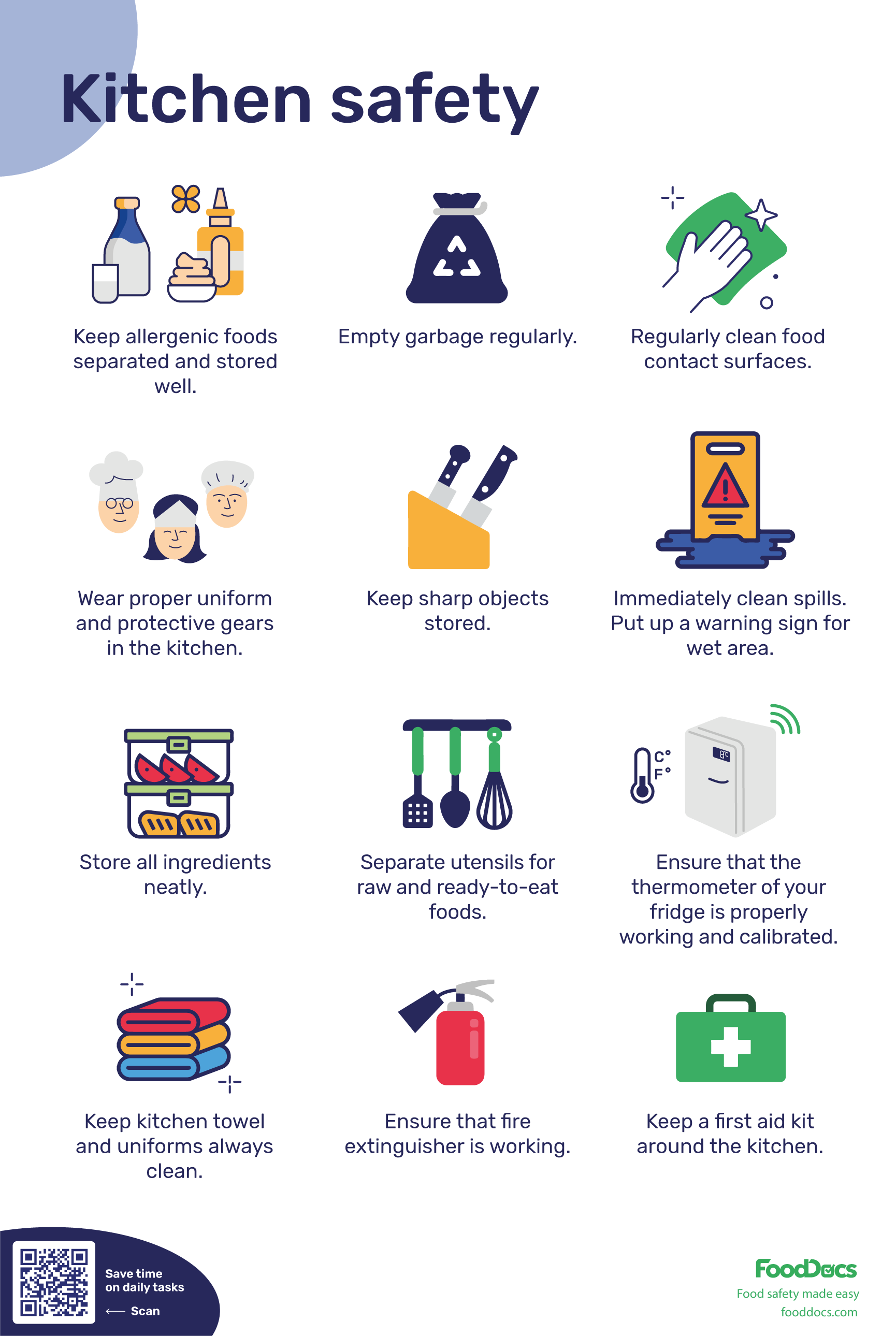
Credit: www.fooddocs.com
Benefits Of A Kitchen Operations Checklist
A Kitchen Operations Checklist offers many benefits for maintaining food safety. It helps kitchens stay organized and compliant with health standards. Using a checklist ensures that all necessary tasks are completed consistently and on time. It supports kitchen staff in following safe food handling procedures every day.
Reducing Foodborne Illness Risks
A checklist ensures critical food safety steps are never missed. It helps monitor food storage temperatures and proper cooking times. This prevents harmful bacteria from growing and spreading. Regular checks keep the kitchen clean and free from contamination. The checklist acts as a guide to control hazards that cause foodborne illnesses.
Enhancing Staff Accountability
A checklist assigns clear responsibilities for each task. Staff members know what they must do and when to do it. This reduces confusion and increases focus on food safety. Recording completed tasks holds everyone accountable. Managers can track performance and identify areas needing improvement.
Streamlining Kitchen Processes
Using a checklist creates a smooth workflow in the kitchen. Tasks are planned and executed in a logical order. It saves time by avoiding repeated or forgotten steps. The checklist helps maintain consistency in food preparation and cleaning. This leads to a more efficient and safer kitchen environment.
Key Components Of The Checklist
A kitchen operations checklist is vital for keeping food safe and preventing contamination. It helps monitor key areas that impact hygiene and safety. This checklist guides kitchen staff to follow proper steps daily. Knowing the main components makes it easier to maintain high standards. Below are the key parts of the checklist to focus on.
Food Storage And Labeling
Proper food storage stops bacteria growth and spoilage. Store raw and cooked foods separately. Use airtight containers to keep food fresh. Label all items with the date and contents. This practice avoids using expired or unsafe food. Regularly check temperatures in refrigerators and freezers to ensure safety.
Sanitation And Cleaning Procedures
Clean surfaces and tools often to kill germs. Use approved cleaning agents for all kitchen areas. Wipe down counters, cutting boards, and utensils after each use. Clean floors and drains to prevent pests and slips. Follow a routine cleaning schedule to keep the kitchen spotless.
Equipment Maintenance
Check kitchen equipment daily for proper function. Clean appliances like ovens, grills, and mixers thoroughly. Repair or replace damaged tools quickly to avoid hazards. Regular maintenance extends equipment life and ensures food safety. Keep maintenance records for accountability and inspections.
Employee Hygiene And Safety
All staff must wash hands before handling food. Use gloves and hairnets to avoid contamination. Wear clean uniforms and avoid jewelry in food areas. Train employees on safe food handling and emergency procedures. Monitor health and report any illness immediately.
Waste Management
Dispose of food waste and trash promptly. Use covered bins to stop pests and odors. Separate recyclables and hazardous waste properly. Clean waste bins regularly to prevent bacteria buildup. Proper waste management keeps the kitchen clean and safe.
Creating A Customized Checklist
Creating a customized kitchen operations checklist is vital for maintaining food safety. Each kitchen has unique needs and challenges. A tailored checklist helps address those specific issues effectively. It also ensures compliance with local food safety rules. Assigning clear tasks and timelines keeps the kitchen staff accountable.
Assessing Kitchen Needs
Start by reviewing your kitchen layout and workflow. Note areas where food safety risks are highest. Check storage, preparation, and cooking zones carefully. Identify equipment that requires regular cleaning and maintenance. Understand the staff roles and their daily tasks. This helps target the checklist items precisely to your kitchen’s realities.
Incorporating Regulatory Requirements
Include local health department standards in your checklist. Research food safety laws that apply to your business. Add mandatory cleaning schedules and temperature controls. List proper handling procedures for raw and cooked foods. Highlight personal hygiene rules for employees. This ensures your checklist meets official guidelines and helps avoid violations.
Setting Frequency And Responsibilities
Decide how often each task needs completion. Some tasks require daily checks, others weekly or monthly. Assign each task to a specific staff member or team. Use simple language to describe responsibilities clearly. Set reminders to keep the checklist active and effective. This structure supports consistent food safety practices in your kitchen.
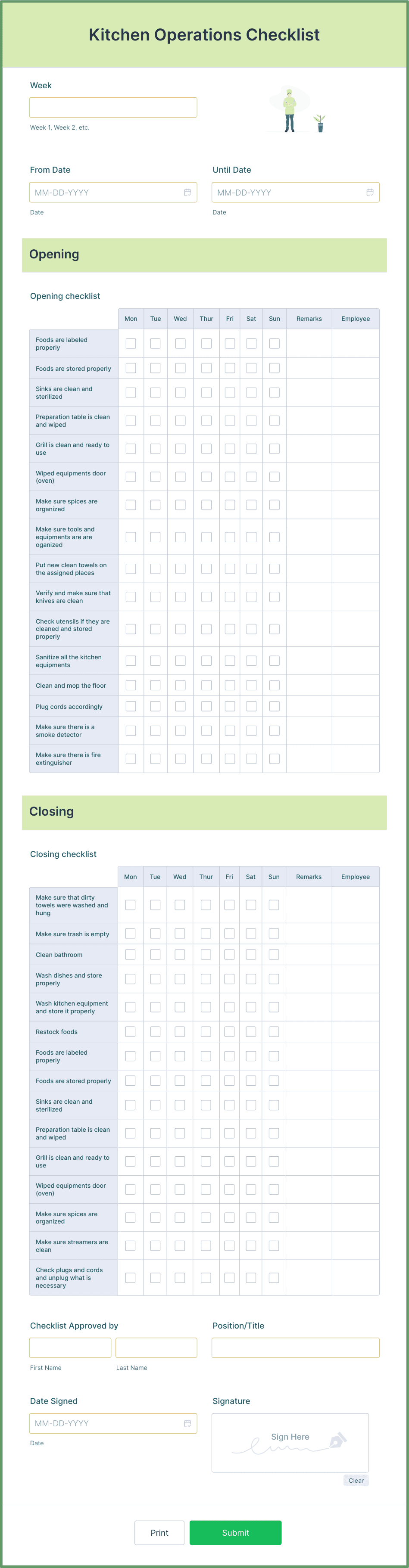
Credit: www.jotform.com
Implementing The Checklist Effectively
Implementing the kitchen operations checklist correctly is vital for food safety. A well-executed checklist helps prevent contamination and ensures compliance with health standards. It requires clear communication, consistent practice, and the right tools. Focus on training staff, embedding the checklist into daily work, and using technology for smooth tracking.
Training Staff On Usage
Start by explaining the purpose of the checklist. Show each step clearly and why it matters. Use simple language and visual aids to help understanding. Practice the checklist together in the kitchen. Encourage questions and repeat training regularly. Reinforce the importance of accuracy and honesty. Proper training builds confidence and consistency.
Integrating Into Daily Routines
Make the checklist a natural part of daily tasks. Assign specific times for checks, like before opening and after closing. Use reminders or alerts to stay on schedule. Keep the checklist visible and accessible to all staff. Review the checklist results during team meetings. This keeps food safety top of mind. Consistent use turns the checklist into a habit.
Using Digital Tools For Tracking
Digital tools simplify checklist management. Use apps or software designed for kitchen operations. These tools allow easy recording and tracking of tasks. They send alerts for missed or overdue checks. Digital records help spot patterns and issues quickly. Share results instantly with the team or management. Digital tracking improves accuracy and saves time.
Monitoring And Updating The Checklist
Monitoring and updating your kitchen operations checklist is essential for maintaining food safety. A checklist is only effective if it stays current and accurate. Regular review helps catch potential risks early. It ensures your kitchen meets safety standards consistently.
Changes in kitchen processes, staff, or regulations require updates to your checklist. Keeping it relevant supports a safe and clean environment. This process involves audits, addressing problems, and adapting to new rules.
Conducting Regular Audits
Schedule audits often to review checklist compliance. Walk through your kitchen and observe each step carefully. Check food storage, preparation, and cleaning tasks against the checklist. Note any missed or incomplete tasks. Audits help find risks before they cause harm. Involve your team to create shared responsibility.
Addressing Identified Issues
When audits reveal problems, act quickly. Fix issues like improper food storage or cleaning lapses immediately. Train staff on correct procedures if needed. Document all corrections for accountability. Regular follow-ups ensure problems do not return. Addressing issues promptly keeps food safe and avoids violations.
Adapting To Changes In Regulations
Food safety rules change often at local and federal levels. Stay informed about updates affecting kitchen operations. Update your checklist to include new requirements. Remove outdated steps to avoid confusion. Share changes with your team and provide training. Adapting your checklist ensures continuous compliance and safe food handling.
Common Challenges And Solutions
Using a kitchen operations checklist helps keep food safe. Still, many kitchens face challenges. These hurdles can slow down the process. They may cause mistakes or skipped steps. Understanding these issues helps solve them quickly. This section covers common problems and practical fixes.
Ensuring Consistent Compliance
Consistency is key to food safety. Staff may forget steps or do them wrong. Checklists must be clear and easy to follow. Use simple language and visuals if possible. Regular training keeps everyone aware of the checklist. Supervisors should review and provide feedback daily. Spot checks ensure rules are always met.
Overcoming Staff Resistance
Some workers see checklists as extra work. They might resist using them fully. Explain the checklist’s role in protecting customers and staff. Show how it prevents problems and fines. Involve staff in updating the checklist. Praise employees who follow it well. Positive attitudes help build teamwork and trust.
Managing Time Constraints
Kitchens are busy places with tight schedules. Staff may skip checklist tasks to save time. Break the checklist into small, quick steps. Assign specific duties to team members. Use checklists during slower times or shifts. Keep tools and supplies ready to avoid delays. Efficient workflows make safety checks faster and easier.
Examples Of Effective Checklist Practices
Effective checklist practices help keep kitchens safe and clean. They guide staff through key tasks that prevent contamination and foodborne illness. Clear, simple checklists improve consistency in food safety routines. Following these examples ensures a safer kitchen environment every day.
Daily Inspection Routines
Start each day by checking all food storage areas. Verify temperatures in refrigerators and freezers are within safe limits. Look for signs of spoilage or damage on food packages. Check that all cleaning supplies are stocked and ready for use. Record findings on the checklist to track compliance. These daily checks catch problems early and keep food safe.
Handling High-risk Foods Safely
High-risk foods need extra care to prevent contamination. Use the checklist to confirm proper thawing methods are followed. Ensure raw and cooked foods stay separate to avoid cross-contamination. Check that staff wear gloves and change them often. Verify cooking temperatures meet safety standards. Regularly review these steps to protect customers from foodborne illness.
Maintaining Equipment Hygiene
Clean equipment prevents bacteria buildup and food contamination. Include routine cleaning tasks on the checklist for all machines and surfaces. Check that knives, cutting boards, and mixers are sanitized after use. Confirm cleaning schedules are followed strictly by staff. Use the checklist to track maintenance and cleaning dates. Proper equipment hygiene supports overall kitchen safety.
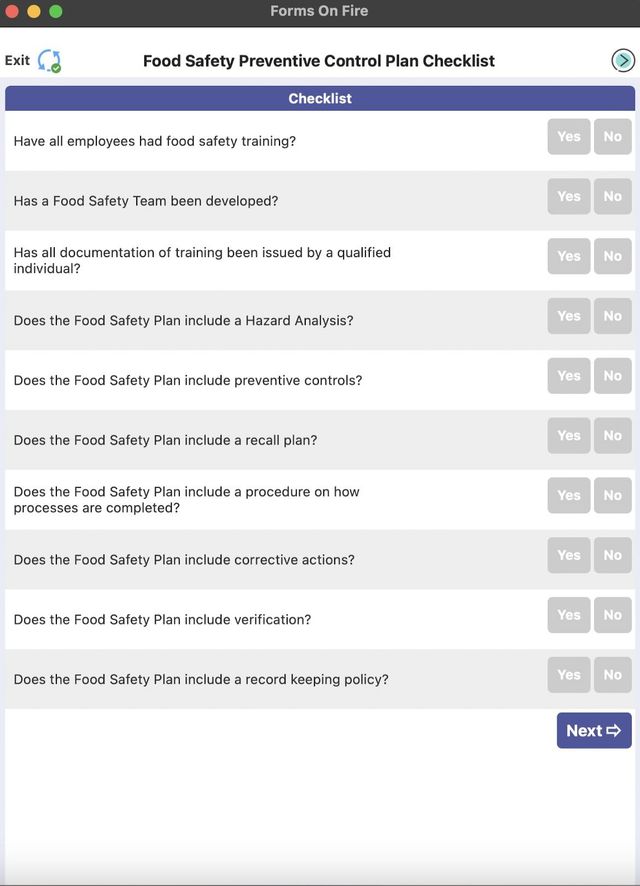
Credit: www.formsonfire.com
Frequently Asked Questions
What Is A Kitchen Operations Checklist?
A kitchen operations checklist is a tool used to ensure food safety. It helps staff follow proper procedures for cleaning, storage, and food handling. This checklist reduces risks of contamination and keeps the kitchen compliant with health regulations.
How Does It Improve Food Safety?
The checklist standardizes daily tasks like sanitizing surfaces and checking food temperatures. It ensures consistent hygiene practices and prevents cross-contamination. Regular use minimizes foodborne illness risks and promotes a safe cooking environment.
What Should A Food Safety Checklist Include?
Key items include cleaning schedules, proper food storage, temperature monitoring, pest control, and employee hygiene checks. It also covers waste disposal and equipment maintenance. These elements help maintain a clean, safe kitchen environment.
How Often Should The Checklist Be Used?
The checklist should be used daily or before food preparation begins. Frequent use ensures ongoing compliance with safety standards. It keeps staff accountable and catches issues before they affect food quality.
Conclusion
Using a kitchen operations checklist keeps your kitchen safe and clean. It helps spot problems before they grow. Following simple steps prevents food contamination and health risks. Staff stay aware of important safety tasks daily. Consistent use builds good habits and trust with customers.
A checklist is a small tool with big impact on food safety. Keep it updated and easy to use for best results. Safety starts with clear, simple actions everyone can follow.