
Imagine you’re in the middle of making breakfast, and suddenly you realize there’s no spatula in sight. What do you do?
Don’t worry—you can still flip those pancakes like a pro without one. Whether you’re camping, cooking in a minimalist kitchen, or just feeling adventurous, flipping pancakes without a spatula is a handy skill that can save the day. In this guide, you’ll learn simple, effective techniques to flip your pancakes perfectly without any special tools.
Ready to impress yourself and anyone you’re serving? Keep reading, and you’ll master these easy tricks in no time.
Pan Toss Technique
The pan toss technique is a classic way to flip pancakes without a spatula. It relies on a quick wrist motion to flip the pancake in the air. This method needs practice but gives great control and keeps your pancakes intact.
Loosen The Pancake
Before flipping, check if the pancake is loose. Gently shake the pan to feel if it slides easily. If it sticks, wait a bit longer for the edges to cook. A loose pancake will flip cleanly without breaking.
Positioning The Pancake
Center the pancake in the pan for balance. Hold the pan handle firmly with one hand. Keep the pan flat and steady to avoid spills. This position helps guide the pancake during the toss.
Executing The Flip
Use your wrist to give the pan a quick upward jerk. The motion should be smooth and sharp. The pancake will lift and rotate in the air. Keep your eyes on the pancake as it flips.
Catching The Pancake
Tilt the pan slightly forward to catch the pancake. Make sure the pan surface is ready to receive it gently. If you miss, let the pancake fall on a soft surface and try again. With time, catching becomes easier and more natural.
Plate Method
The Plate Method offers a simple way to flip pancakes without a spatula. It uses a regular plate to help turn the pancake easily and safely. This method works well for those who do not have a spatula nearby or want a quick alternative.
The process involves covering the pan with a plate, flipping both together, and sliding the pancake back onto the pan. It keeps the pancake intact and helps avoid mess. Follow these steps to flip pancakes smoothly using just a plate.
Covering The Pan With A Plate
Choose a plate slightly larger than the pan’s surface. Place it upside down over the pancake and pan. Press gently so the pancake sticks to the plate.
Flipping The Pan And Plate
Hold the plate firmly against the pan. Flip both together quickly and carefully. The pancake will now be on the plate, cooked side up.
Sliding Pancake Back To Pan
Tilt the plate slightly over the pan’s surface. Slide the pancake off the plate gently. Let it cook on the second side until golden brown.
Using Alternative Tools
Flipping pancakes without a spatula can feel tricky, but many common tools work well. These alternatives help you lift and turn pancakes safely. Each tool offers a unique way to handle pancakes with ease and control.
Fork
A fork is a simple tool to flip pancakes. Gently slide the fork under the edge of the pancake. Lift it slowly to avoid breaking the pancake. Use the fork to turn the pancake over in the pan. This method works best for smaller pancakes or thinner batter.
Chopsticks
Chopsticks are handy for flipping pancakes, especially small ones. Hold one chopstick in each hand. Slide them under the pancake’s edge carefully. Lift and turn the pancake by crossing the chopsticks. This method gives good control and minimizes breaking.
Knife Or Other Utensils
A butter knife or similar utensil can flip pancakes in a pinch. Slide the knife gently under the pancake. Lift it just enough to turn it over. Be careful not to tear the pancake. Other utensils like a spoon or tongs may also work with careful handling.
Timing Your Flip
Timing your flip is key to successfully turning pancakes without a spatula. Flip too early, and the pancake may break or stick to the pan. Flip too late, and it can burn or become dry. Watch your pancake closely and learn its cues to know the perfect moment to flip.
Waiting For Bubbles
Look for bubbles forming on the pancake surface. These bubbles indicate the batter is cooking through. When bubbles start to pop and create holes, it means the pancake is ready to flip. This usually happens after about two to three minutes on medium heat.
Checking Edges
Check the edges of the pancake for firmness and color. Edges should look dry and slightly browned. If the edges are still wet or shiny, wait longer. Firm edges mean the pancake is holding together and safe to flip.
Ensuring Pancake Slides Freely
Gently shake or tilt the pan to see if the pancake moves easily. If it sticks, wait a little more. A pancake that slides freely will flip cleanly without tearing. This step helps avoid messy flips and keeps your pancakes looking great.
Pan Selection
Choosing the right pan is key to flipping pancakes without a spatula. The pan affects how easily the pancake moves and flips. A good pan lets you cook pancakes evenly and helps them slide smoothly when you flip.
Choosing Non-stick Pans
Non-stick pans make flipping pancakes much easier. Pancakes do not stick to the surface, so they slide freely. This reduces the chance of breaking the pancake. Choose a pan with a quality non-stick coating for best results. It also means less oil or butter is needed.
Pan Size And Depth
Pick a pan size that fits your pancake size. A medium-sized pan works well for most pancakes. Too large a pan can make flipping harder. The depth matters too. A shallow pan helps you see the pancake edges clearly. This helps you judge when to flip. Avoid very deep pans that trap heat unevenly.
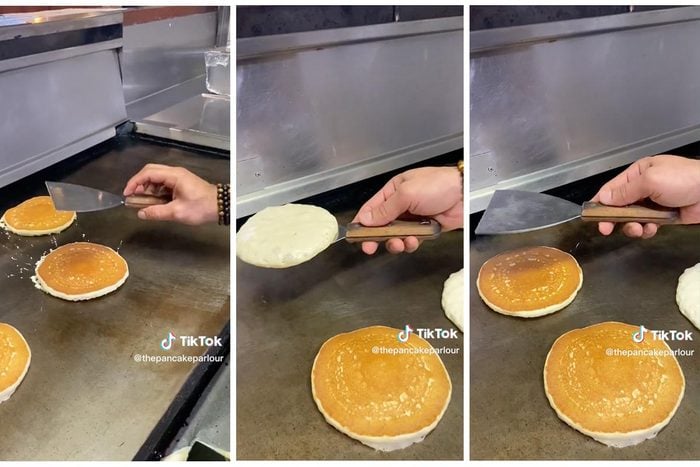
Credit: www.tasteofhome.com
Wrist Flick Practice
Wrist flick practice is key to flipping pancakes without a spatula. This technique uses a quick, controlled wrist motion to toss the pancake in the air and catch it on the pan. It takes time to build confidence and precision.
Practicing the wrist flick helps you learn the right speed and angle. It also improves your timing. Start slow and focus on smooth, light movements.
Practicing The Motion
Begin by holding your frying pan firmly. Make a gentle flicking motion with your wrist. The goal is to lift and flip without spilling.
Practice this motion empty, without any pancake. Feel how your wrist moves and adjust the speed. Try to keep the pan steady while flicking. Repeat until the movement feels natural and controlled.
Using Jell-o Or Similar Items
Use a soft, wobbly item like Jell-O to practice flipping. It behaves somewhat like a pancake and helps you get used to the tossing motion.
Place the Jell-O in the pan and try the wrist flick. Notice how it moves in the air and lands back. This practice teaches you how much force to use.
It also lowers the stress of flipping a real pancake. You can practice many times without wasting ingredients or making a mess.
Common Mistakes To Avoid
Flipping pancakes without a spatula can be tricky. Many beginners make simple mistakes that cause the pancake to break or fall apart. Avoiding these errors will help you flip pancakes smoothly and keep them whole. Pay attention to timing, technique, and catching the pancake carefully.
Flipping Too Soon
Wait until the pancake surface shows bubbles and looks set. Flipping too early makes the pancake fall apart. The bottom must be golden brown before flipping. This ensures the pancake holds its shape during the flip.
Pushing Instead Of Flicking
Use a quick flick of your wrist to flip the pancake. Pushing the pancake forward makes it slide off the pan. Flicking sends the pancake up and turns it in the air. This motion helps the pancake land back gently in the pan.
Not Catching The Pancake Properly
Keep your eyes on the pancake as it flips. Catch it flat in the pan to avoid folding or breaking. Tilting the pan too much causes the pancake to slide off. Practice catching the pancake smoothly for even cooking and perfect shape.
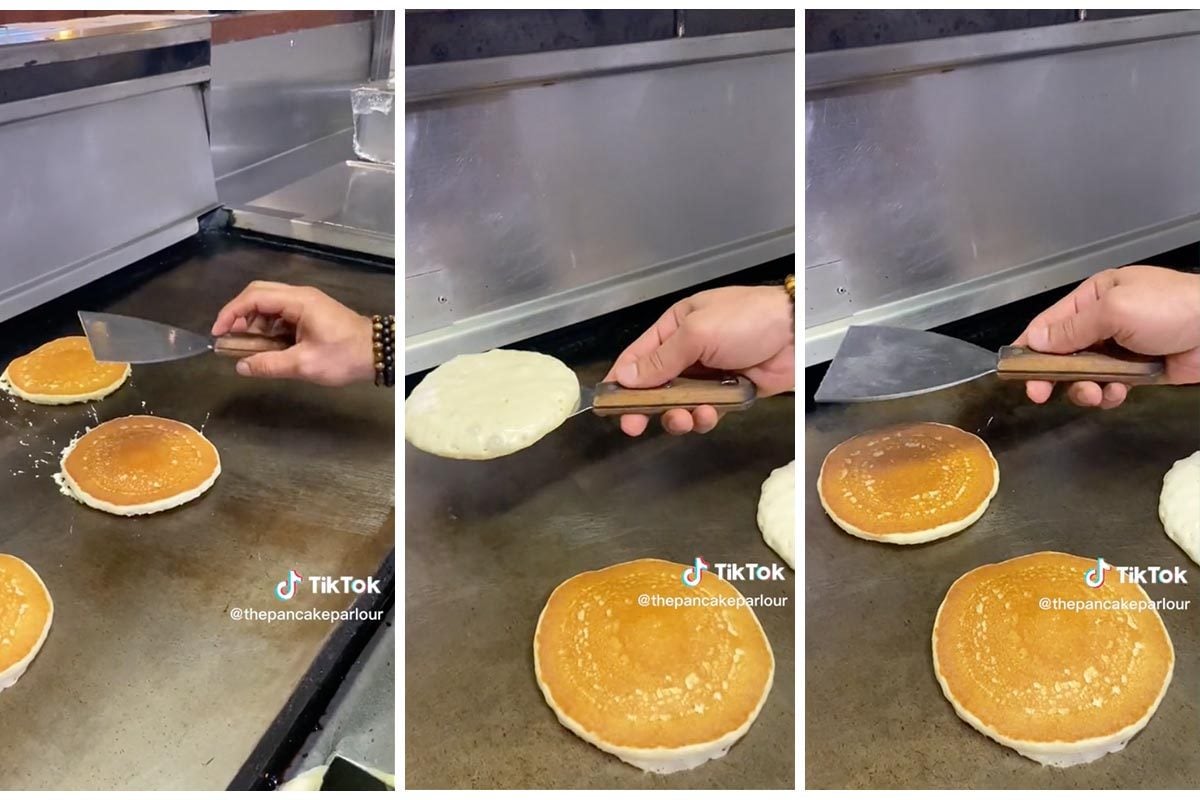
Credit: www.tasteofhome.com
Safety Tips
Flipping pancakes without a spatula can be fun but requires caution. Safety tips help avoid accidents and kitchen injuries. Stay calm and focused while handling hot pans. Use careful movements to protect yourself.
Handling Hot Pans
Always use a dry kitchen towel or oven mitt to hold the pan. Keep your grip firm and steady. Avoid loose or slippery cloths that can slip off. Hold the pan handle close to the base for better control. Move the pan gently to flip the pancake. Do not shake or toss the pan too hard. This reduces the risk of dropping hot food or oil.
Avoiding Burns
Keep your face and hands away from the pan’s hot surface. Use long sleeves or an apron to protect your skin. Avoid reaching over the pan while flipping pancakes. If the batter splashes, hot oil can cause burns. Stand back when flipping to stay safe. Always have a first aid kit nearby for emergencies.
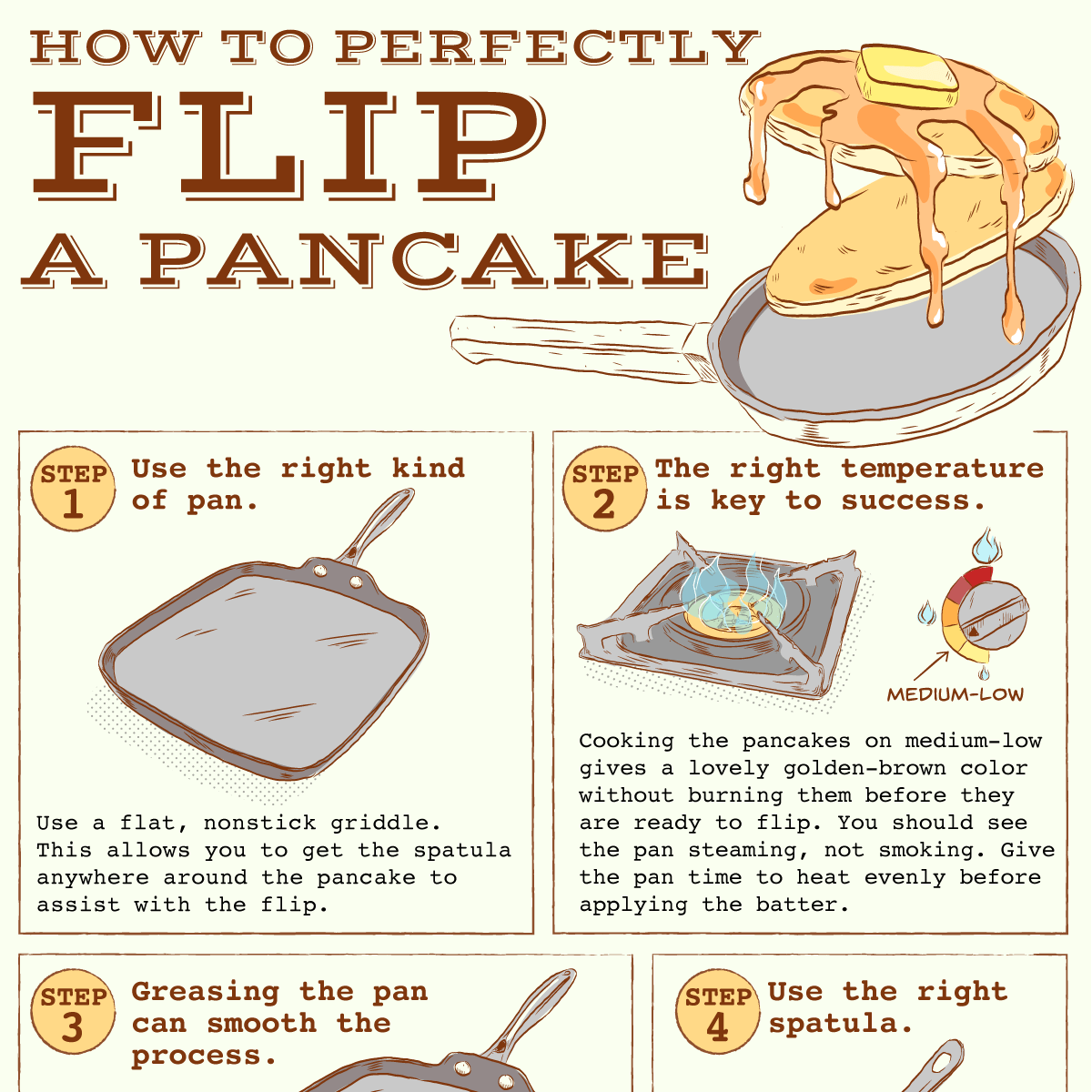
Credit: www.kulickspancakerecipes.com
Frequently Asked Questions
Can You Flip A Pancake Without A Spatula?
Yes, you can flip a pancake without a spatula. Loosen it, then flick the pan sharply to toss and flip the pancake in the air. Catch it carefully to cook the other side.
Can Heart Patients Eat Pancakes?
Heart patients can eat pancakes if made with whole grains, minimal sugar, and healthy toppings. Limit butter and syrup.
What Is The Trick To Flipping Pancakes?
The trick to flipping pancakes is to wait until bubbles form and edges look set. Slide a spatula gently underneath, then flip with a quick, confident motion. Avoid flipping too soon to prevent tearing or sticking.
How To Flip Without A Spatula?
To flip without a spatula, loosen the pancake by shaking the pan gently. Tilt the pan and flick your wrist quickly to toss the pancake in the air. Catch it carefully as it flips, landing back in the pan.
Conclusion
Flipping pancakes without a spatula takes practice and confidence. Make sure the pancake is cooked and slides easily. A quick wrist flick helps toss it in the air. Catch it gently back in the pan to avoid spills. With patience, this skill becomes simple and fun.
Enjoy your pancakes, even without special tools!