
Have you ever wondered why your meals don’t turn out quite like the ones at your favorite restaurant? It might surprise you, but the secret often lies in the chef knife you use at home.
The way you slice, chop, or dice your ingredients directly impacts how they cook, taste, and even look on your plate. Using the right chef knife can make your food prep faster, safer, and more precise—giving you better control over every dish you create.
Keep reading to discover how this simple tool can transform your cooking results and help you become the home chef you’ve always wanted to be.

Credit: boothcreekwagyu.com
Chef Knife Basics
A chef knife is a key tool in any home kitchen. It shapes how you prepare food and affects cooking results. Using the right knife makes cutting faster and safer. It also helps food cook evenly and taste better. Understanding the basics of chef knives can improve your cooking experience. This knowledge guides you in choosing and using the knife properly.
Here are some essential points about chef knives and why they matter in home cooking.
What Makes A Chef Knife Unique
A chef knife has a broad, sharp blade that tapers to a point. Its shape fits many cutting tasks like slicing, dicing, and chopping. The blade is usually 6 to 12 inches long. The weight and balance provide control and precision. This design helps you cut smoothly without tiring your hand quickly.
Materials And Construction
Chef knives come in different materials. Stainless steel is common for its rust resistance and easy care. High-carbon steel holds sharpness longer but needs more maintenance. Some knives mix metals for strength and sharpness. The handle can be wood, plastic, or composite. A good handle offers comfort and a secure grip.
Common Types Of Chef Knives
There are several types of chef knives for various needs. A classic chef knife is versatile for most kitchen tasks. Santoku knives have a thinner blade and work well for precise cuts. Utility knives are smaller and good for detailed work. Each type suits certain cutting styles and foods.
Impact On Cooking
Using the right chef knife impacts cooking in many ways. It shapes the way ingredients are cut, which changes the cooking process and final dish. A good knife helps cook faster, keep flavors intact, and make food look better on the plate.
Precision And Consistency In Cuts
A sharp chef knife allows precise cuts every time. Consistent sizes mean food cooks evenly. Even pieces prevent some parts from being overcooked or undercooked. This control improves the texture and taste of dishes. You can cut delicate herbs finely or chop vegetables quickly with accuracy.
Effect On Cooking Time And Texture
Smaller, uniform pieces cook faster and more evenly. Uneven cuts lead to some parts cooking too long and others not enough. A chef knife reduces cooking time by making clean, smooth cuts. It also protects the texture of foods, keeping vegetables crisp and meats tender.
Flavor And Presentation Benefits
Clean cuts preserve the food’s natural juices and flavors. Rough cuts can crush cells and cause loss of moisture and taste. Neat slices and dices improve how food looks on the plate. A good presentation makes meals more enjoyable and appetizing.
Knife Sharpness And Maintenance
Knife sharpness and proper maintenance play a crucial role in cooking at home. A sharp chef knife cuts cleanly through ingredients. This affects cooking speed and food texture. Regular care keeps the knife effective and safe. Dull blades require more force and can slip, causing accidents. Understanding sharpening and storage extends the knife’s life and improves kitchen results.
Why Sharpness Matters
A sharp knife cuts smoothly without crushing food. Clean cuts preserve the texture and flavor of fruits, vegetables, and meats. Sharp knives reduce the effort needed to slice, making prep faster and easier. They also improve safety by giving better control. Dull knives can slip, increasing the chance of injury. Sharpness affects the evenness of cooking by creating uniform pieces.
Sharpening Techniques
Sharpening keeps the blade’s edge precise and strong. Use a whetstone for the best results. Hold the blade at a consistent angle while sliding it across the stone. Honing rods realign the edge between sharpenings. Electric sharpeners offer quick touch-ups but may remove more metal. Regular sharpening prevents dullness and prolongs the knife’s usefulness. Avoid using grinders that can damage the blade.
Proper Storage And Care
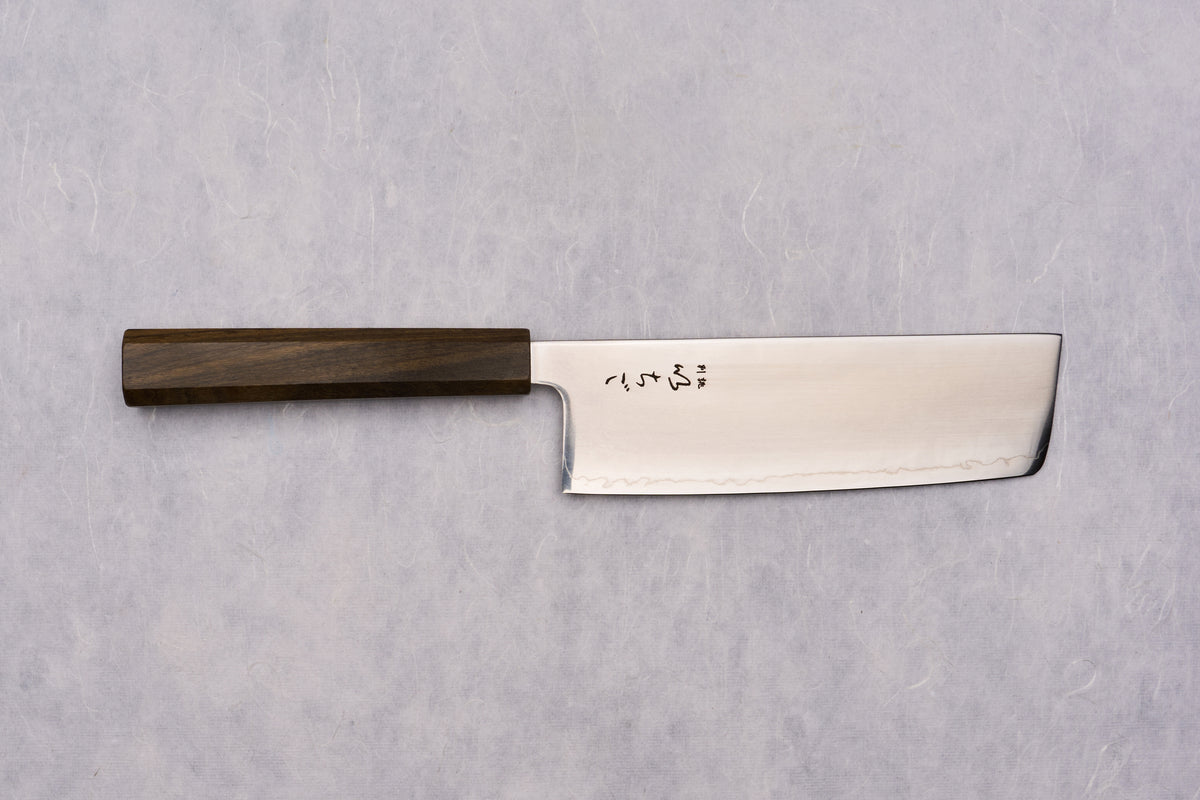
Store knives in a block or on a magnetic strip to protect edges. Avoid tossing knives in drawers with other utensils. Clean knives immediately after use with warm, soapy water. Dry them thoroughly to prevent rust and corrosion. Never put chef knives in the dishwasher. Proper storage and cleaning maintain sharpness and prevent damage. Caring for your knife ensures it performs well every time.
Credit: knifewear.com
Improving Kitchen Skills
Improving kitchen skills starts with the right tools and techniques. A good chef knife changes how you handle food. It helps you work faster and safer. It also makes your dishes look better. Practicing with a chef knife builds confidence and control in the kitchen.
Learning basic knife skills is key to becoming a better home cook. Proper use of a chef knife improves cutting precision. This skill affects how food cooks and tastes. Safety is another important aspect. Knowing how to hold and use the knife prevents accidents. Faster chopping saves time and effort during meal prep. These skills together enhance your cooking experience.
Basic Knife Techniques
Hold the chef knife firmly with your dominant hand. Curl your fingers on the other hand to protect them. Use a rocking motion for chopping and slicing. Keep the tip of the knife on the cutting board. Practice cutting vegetables into even pieces. This helps food cook evenly and look neat. Consistent cuts also improve presentation.
Safety Tips For Home Cooks
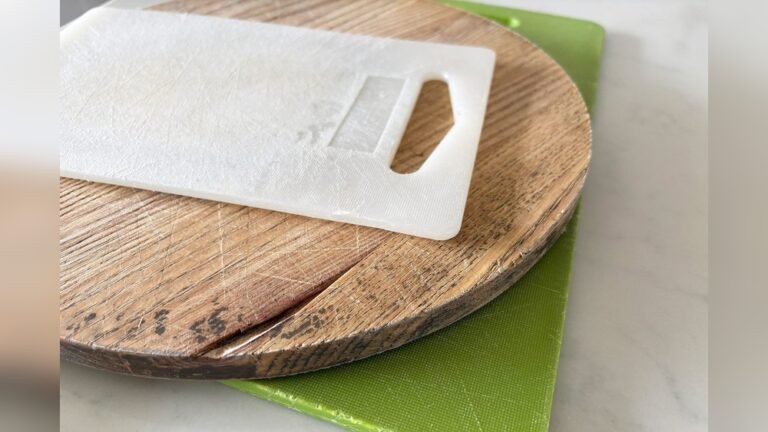
Always keep your chef knife sharp. Dull knives slip and cause injuries. Cut on a stable surface like a wooden cutting board. Avoid distractions while using the knife. Store knives in a safe place, away from children. Clean the knife carefully after use, wiping blade away from your hand. These habits prevent accidents and keep you safe.
Speed And Efficiency In Food Prep
A sharp chef knife makes chopping faster and easier. Proper grip reduces hand fatigue during long prep sessions. Efficient cuts reduce cooking time by allowing food to cook evenly. Organize your workspace to move smoothly from one task to another. Mastering knife skills speeds up meal preparation. This leaves more time to enjoy your food.
Choosing The Right Chef Knife
Choosing the right chef knife is crucial for better cooking results at home. The knife you pick affects your cutting speed, safety, and food quality. A good chef knife feels natural in your hand and fits your cooking style. It helps you cut ingredients cleanly and evenly. This section guides you through key factors to consider when selecting your chef knife.
Balancing Quality And Budget
High-quality chef knives offer sharp blades and durable materials. They stay sharp longer and resist rust. Yet, top knives can be costly. Find a knife with solid steel and a sharp edge within your budget. Avoid very cheap knives; they dull quickly and need frequent sharpening. A good mid-range knife often provides the best value and performance for home cooks.
Handle Comfort And Weight
A comfortable handle reduces hand fatigue during long cooking sessions. Choose a handle with a shape that fits your grip well. Materials like wood, plastic, or composite affect feel and grip. The knife’s weight also matters. Heavier knives cut with less effort but can tire your hand fast. Lighter knives give more control but may need more force. Test different knives to find your ideal balance.
Blade Size And Shape Considerations
Chef knives come in various blade lengths, typically 6 to 10 inches. Longer blades handle bigger tasks and chop faster. Shorter blades offer more precision and control. The blade shape affects cutting style. A curved blade works well for rocking motions. A straighter edge suits slicing and chopping. Pick a blade size and shape that match your cooking habits and kitchen tasks.

Credit: luitenfood.com
Versatility In The Kitchen
A chef knife is a key tool for many cooking tasks. It handles a wide range of ingredients with ease. This versatility saves time and space in the kitchen. You can chop, slice, dice, and mince using just one knife.
This flexibility helps improve cooking results. Uniform cuts cook evenly and look better on the plate. A good chef knife fits comfortably in your hand, giving better control and safety.
Using A Chef Knife For Different Ingredients
A chef knife works well on vegetables, fruits, and herbs. It can cut meat and fish with precision. Its sharp, curved blade allows smooth rocking motions for chopping. This helps create consistent pieces, which cook more evenly.
The knife’s size and shape make it easy to handle large or small ingredients. You can peel, slice thick or thin, and even crush garlic cloves. It is a true all-rounder in the kitchen.
Alternatives To Specialized Knives
Sometimes, you may not have a specialized knife for a task. A chef knife can often fill in. It can replace a paring knife for small cuts or a serrated knife for soft bread.
This means fewer tools to clean and store. A sharp chef knife can handle most chopping and slicing jobs. It offers an efficient alternative for home cooks with limited kitchen space.
When To Use Other Knives
Specialized knives are better for some jobs. Use a serrated knife for bread to avoid crushing it. A paring knife is ideal for peeling and intricate work. A boning knife works best for filleting fish or trimming meat.
Knowing when to switch knives improves your cooking. It helps maintain the knife’s sharpness and your safety. Each knife has a purpose, but the chef knife remains the most versatile tool.
Common Myths About Chef Knives
Many people believe a chef knife is just a tool. Myths about chef knives affect how home cooks choose and use them. These myths can limit cooking skills and results.
Understanding common myths helps cooks pick the right knife. It also improves food preparation and safety.
Expensive Knives Always Perform Better
Price does not always mean better performance. Some costly knives may look fancy but feel heavy or hard to use. Less expensive knives can be sharp and balanced. The right knife matches the cook’s hand and cutting style. Regular sharpening and care matter more than price.
One Knife Fits All Needs
No single knife can do every task perfectly. Chef knives are versatile but not ideal for everything. Small paring knives work better for peeling and delicate cuts. Serrated knives cut bread and tomatoes well. Using the right knife for each task saves time and improves safety.
Knife Skills Don’t Affect Cooking Results
Knife skills greatly affect cooking results. How you cut food changes cooking time and texture. Uneven pieces cook unevenly and may taste different. Good knife skills make prep faster and safer. They also help create attractive, even dishes.
Frequently Asked Questions
Can I Use A Chef’s Knife For Everything?
A chef’s knife works well for most tasks but isn’t ideal for delicate slicing or heavy-duty chopping. Use specialized knives accordingly.
What’s The Difference Between A Chef Knife And A Kitchen Knife?
A chef knife is a specific, versatile blade for chopping and slicing. A kitchen knife is a general term for any knife used in food prep.
What Are The Three Knives Every Chef Needs?
Every chef needs a chef’s knife for versatility, a paring knife for detail work, and a serrated knife for cutting bread.
Are Expensive Chef Knives Worth It?
Expensive chef knives offer superior sharpness, durability, and control, improving cooking speed and precision for better results.
Conclusion
A good chef knife makes cooking easier and more precise. It helps cut ingredients evenly, so food cooks well and tastes better. Using the right knife saves time and reduces effort. Sharp blades also keep food fresh and look nicer on the plate.
Practicing with a chef knife improves safety and control in the kitchen. Choosing a quality knife can truly enhance your home cooking experience. Small changes in tools lead to better meals every day.