
Have you ever wondered why so many recipes call for buttermilk instead of regular milk? Whether you’re baking fluffy pancakes, tender biscuits, or juicy fried chicken, buttermilk can truly change the way your dishes turn out.
It’s more than just a tangy ingredient—it’s a secret tool that can improve texture, flavor, and even the rise of your baked goods. You’ll discover exactly how buttermilk affects your cooking results at home and why adding it to your kitchen routine could be a game-changer.
Keep reading to unlock the simple science behind buttermilk and learn how to use it to make your meals taste better every time.
Buttermilk Basics
Understanding the basics of buttermilk helps improve cooking results at home. This ingredient adds unique flavors and textures to many dishes. It is more than just a dairy product; it plays a key role in baking and cooking. Knowing what buttermilk is and the types available allows you to use it effectively.
Buttermilk’s acidity and consistency make it special. It tenderizes baked goods and reacts with leavening agents. This creates light, fluffy textures in cakes, pancakes, and biscuits. Let’s explore the fundamental facts about buttermilk and its varieties.
What Is Buttermilk
Buttermilk is a fermented dairy product. Traditionally, it is the liquid left after churning butter from cream. Today, most buttermilk is cultured. This means bacteria are added to milk to thicken it and give a tangy taste. Its acidity helps break down proteins in flour, making baked goods softer.
Buttermilk has a thick, creamy texture and a slightly sour flavor. It contains lactic acid, which interacts with baking soda. This reaction produces carbon dioxide bubbles. These bubbles help dough rise and create a light crumb structure.
Types Of Buttermilk Available
There are mainly two types of buttermilk found in stores. Traditional buttermilk is rare and mostly homemade. It is the leftover liquid from butter churning and has a natural sour taste.
Cultured buttermilk is common in supermarkets. It is made by adding bacterial cultures to low-fat milk. This process thickens the milk and creates the familiar tangy flavor. Cultured buttermilk is ideal for cooking and baking because of its consistent acidity.
Some products labeled as buttermilk are actually milk with added acid, like lemon juice or vinegar. These can be used as substitutes but lack the full flavor and texture of real buttermilk.
Buttermilk’s Role In Baking
Buttermilk plays a special role in baking. It affects the rise, texture, and flavor of baked goods. Using buttermilk instead of regular milk changes the way recipes turn out. Its acidity interacts with other ingredients to create unique results. Many bakers choose buttermilk to improve their cakes, muffins, and breads.
Impact On Leavening
Buttermilk is acidic, which helps activate baking soda. This reaction produces carbon dioxide gas. The gas forms bubbles that lift the dough or batter. The result is a lighter and fluffier baked product. Without buttermilk, the rise might be less impressive or uneven.
Effect On Texture And Crumb
The acid in buttermilk breaks down gluten strands gently. This weakens the dough slightly, creating a tender crumb. Baked goods made with buttermilk feel soft and moist. The crumb often has small, even holes. This texture is often described as delicate and pleasant.
Flavor Enhancements
Buttermilk adds a mild tang to baked items. This subtle sour note balances the sweetness well. It enriches the overall flavor without overpowering. The slight acidity can deepen the taste and make it more complex. Many enjoy the unique flavor that buttermilk brings.
Buttermilk In Cooking
Buttermilk is a versatile ingredient in many home kitchens. Its unique acidity and creamy texture bring special qualities to cooking. It goes beyond baking and adds value to savory dishes too.
Using buttermilk improves texture, flavor, and moisture in food. It works well with meats, batters, and sauces. Understanding how buttermilk affects cooking helps create better meals.
Tenderizing Meat And Marinades
Buttermilk’s acid breaks down proteins in meat. This process softens tougher cuts quickly. Marinades with buttermilk make chicken and pork more tender. The result is juicy, easy-to-chew meat with less cooking time.
The lactic acid also adds a mild tang. It enhances the natural flavor without overpowering. Soaking meat in buttermilk prevents dryness during cooking.
Adding Moisture To Dishes
Buttermilk adds moisture to many recipes. It keeps baked goods soft and crumbly inside. In fried foods, it helps batter stick well and stay moist. This prevents dryness in breads, pancakes, and cakes.
Its thick texture holds liquids better than milk or water. This helps maintain a tender bite in cooked dishes. Using buttermilk avoids dryness, creating a pleasant mouthfeel.
Balancing Flavors
Buttermilk’s slight tang cuts through rich and heavy flavors. It brightens creamy sauces and dressings with subtle acidity. This balances sweetness and heaviness in many recipes.
It can also calm spicy heat without dulling flavor. Adding buttermilk improves depth and complexity. It makes dishes taste fresher and more vibrant.
Substituting Buttermilk
Substituting buttermilk in recipes can be necessary when you don’t have any on hand. Many dishes rely on buttermilk for flavor and texture. Knowing how to replace it properly keeps your cooking results consistent and tasty. Substitutes mimic the acidity and moisture but may change the final taste slightly.
Common Buttermilk Alternatives
Milk with lemon juice or vinegar is a popular substitute. Mix 1 cup milk with 1 tablespoon lemon juice or white vinegar. Let it sit for 5 to 10 minutes before use. Plain yogurt thinned with water also works well. Use equal parts yogurt and water to replace buttermilk. Sour cream can replace buttermilk too, but use slightly less to avoid thickening the batter. In a pinch, regular milk can be used but add a small amount of acid like lemon juice.
Adjusting Recipes For Substitutes
Acidity in buttermilk reacts with baking soda for leavening. When substituting, keep the acid level similar. Add a bit of baking soda if your substitute lacks acidity. This helps baked goods rise properly. Substitute liquids should match buttermilk’s thickness. Thin yogurt or sour cream with water to get the right consistency. Taste may differ slightly, so adjust sugar or salt if needed. Watch cooking times as some substitutes can brown faster.
Tips For Using Buttermilk At Home
Buttermilk adds a unique tang and richness to many dishes. Using it correctly can improve texture and flavor in your cooking. Here are some practical tips for handling buttermilk at home.
Storage And Shelf Life
Keep buttermilk refrigerated at all times. Store it in a sealed container to avoid absorbing other odors. Check the expiration date before use. Usually, it lasts about two weeks unopened. Once opened, use it within 7 to 10 days. If buttermilk smells sour or has lumps, discard it. Always keep it cold to maintain freshness.
Incorporating Buttermilk Into Recipes
Use buttermilk to replace milk or cream in recipes. It works well in pancakes, biscuits, and marinades. The acidity helps tenderize meats and activates baking soda. Stir buttermilk gently into batters to keep them light. Avoid overheating buttermilk, as it can curdle. Add it last when mixing to preserve its texture and flavor.
Avoiding Common Mistakes
Do not use buttermilk past its expiry date. Avoid mixing it with non-acidic ingredients too early. This can reduce its leavening power. Do not substitute it with plain milk without adjusting leavening agents. Always measure buttermilk accurately for best results. Avoid heating it too quickly to prevent curdling. These small steps improve your dishes significantly.
Buttermilk And Baking Chemistry
Buttermilk plays a special role in baking. Its natural acidity changes how ingredients react. This affects texture, rise, and flavor. Understanding this chemistry helps improve home baking results.
Unlike regular milk, buttermilk contains lactic acid. This acid interacts with other baking ingredients in unique ways. It helps create lighter, softer baked goods with a tender crumb.
Interaction With Baking Soda
Buttermilk’s acid reacts with baking soda, which is alkaline. This reaction produces carbon dioxide gas bubbles. These bubbles expand during baking, causing dough or batter to rise.
This natural leavening makes cakes, pancakes, and biscuits fluffy. Without enough acid, baking soda won’t activate properly. Buttermilk ensures full activation, improving the texture and height.
Effect On Gluten Development
Gluten forms when flour mixes with water. It gives dough structure and stretchiness. Buttermilk’s acidity weakens gluten strands during mixing. This creates a softer, less chewy texture.
Weaker gluten helps baked goods stay tender and moist. It also prevents toughness in cakes and quick breads. Using buttermilk balances strength and softness in the final product.
Popular Recipes Featuring Buttermilk
Buttermilk is a versatile ingredient used in many popular recipes. It adds a unique tangy flavor and improves texture. Its acidity helps tenderize and leaven dishes. This section explores common recipes that feature buttermilk in different ways.
Baked Goods
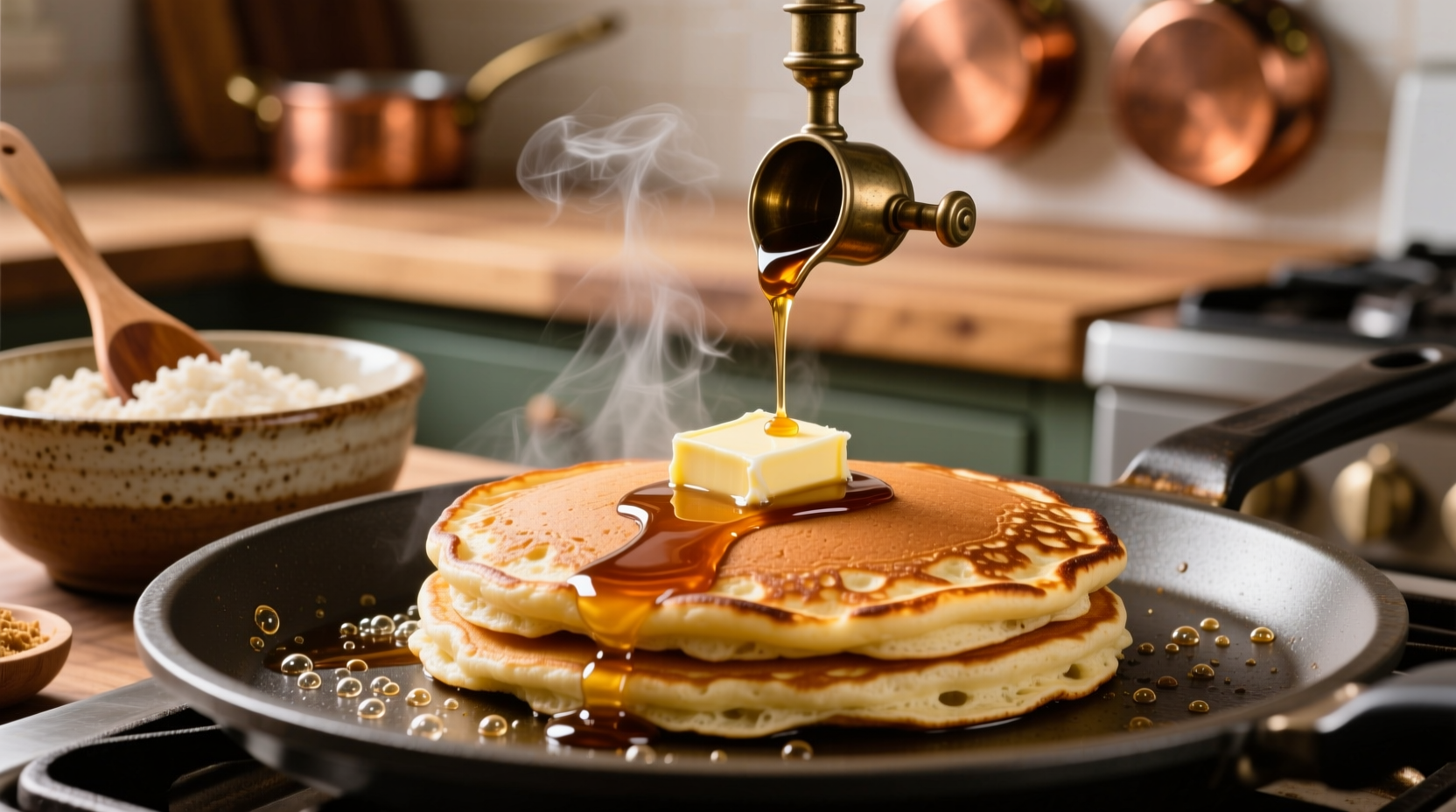
Buttermilk is famous in baked goods like pancakes, biscuits, and cakes. It reacts with baking soda to create carbon dioxide bubbles. These bubbles make baked items fluffy and light. It also softens the gluten, giving a tender crumb. Classic buttermilk cornbread and muffins rely on this effect for their moist texture.
Savory Dishes
Buttermilk works well in savory recipes too. It tenderizes meat for fried chicken, making it juicy inside. It also balances spices in marinades and sauces. Creamy soups and stews often use buttermilk to add depth. It enhances flavor without overpowering other ingredients.
Beverages And Dressings
Buttermilk is popular in cold drinks and salad dressings. It creates a smooth, creamy texture in beverages like lassi or smoothies. In dressings, it adds a mild tang that brightens salads. Buttermilk ranch dressing is a favorite for its rich but light taste. It blends well with herbs and spices for fresh flavor.
Credit: lifetips.alibaba.com
Frequently Asked Questions
What Should Not Be Eaten With Buttermilk?
Avoid eating buttermilk with sour fruits, salty foods, or fried items. These combinations may cause digestion discomfort.
What Happens To Your Body If You Drink Buttermilk Every Day?
Drinking buttermilk daily improves digestion, boosts immunity, and hydrates the body. It supports bone health and provides probiotics.
How Long Will Buttermilk Last In The Refrigerator?
Buttermilk lasts about 1 to 2 weeks in the refrigerator after opening. Always check for sour smell or curdling before use.
What Is The Point Of Buttermilk In Baking?
Buttermilk reacts with baking soda to create carbon dioxide, which lifts and tenderizes baked goods. It also softens gluten, resulting in a moist, fluffy texture and richer flavor.
Conclusion
Buttermilk adds a unique tang and tender texture to dishes. It reacts with baking soda, helping baked goods rise well. Using buttermilk can make recipes lighter and softer. Its acidity also helps break down gluten for better crumb. Even simple meals get a subtle flavor boost.
Experimenting with buttermilk can improve home cooking results. Try adding it to pancakes, cakes, or marinades for best effects. Small changes like this can make your meals more enjoyable. Buttermilk remains a simple, natural way to enhance flavor and texture.