
When you’re cooking at home, every tool you use can make a difference in your experience and the final taste of your meal. Have you ever stopped to think about your cutting board?
Choosing the right one isn’t just about looks—your cutting board affects hygiene, knife sharpness, and even how long your kitchen tools last. Bamboo cutting boards, in particular, have grown in popularity for good reasons. They offer a unique blend of durability, eco-friendliness, and easy maintenance that could change the way you prepare your food.
If you want to protect your knives, keep your kitchen cleaner, and enjoy cooking more, understanding why a bamboo cutting board matters is a game changer. Keep reading to discover what makes bamboo boards stand out and why they might be the perfect addition to your kitchen.
Durability Of Bamboo Boards
Bamboo cutting boards stand out for their impressive durability. This quality makes them a reliable choice in any kitchen. Their strength and toughness help them handle daily chopping and slicing without damage. Understanding the durability of bamboo boards helps explain why they matter in home cooking.
These boards maintain their shape and function even after heavy use. Their unique structure gives them an edge over many other materials. Durability means less replacement and better value for your money.
Resistance To Cracking And Warping
Bamboo cutting boards resist cracking better than many wood boards. Their dense fibers keep the board intact, even after frequent washing and cutting. Bamboo does not easily split, which keeps the board safe to use. Warping is also minimal because bamboo absorbs less water. This resistance keeps the board flat and stable on your countertop.
Less warping means fewer grooves and gaps where bacteria can hide. This feature adds to the board’s hygiene and safety in food preparation. You get a cutting surface that lasts longer without losing quality.
Longevity Compared To Other Materials
Bamboo boards last longer than many plastic and wooden boards. Their hardness prevents deep cuts that damage other boards quickly. This strength means fewer knife scars and less need for sanding. Bamboo’s natural properties protect it from stains and odors. It maintains a fresh look and feel over time.
Compared to softwoods, bamboo offers a tougher surface. Plastic boards can crack or warp under heat, but bamboo holds up well. Investing in a bamboo cutting board means fewer replacements and better kitchen performance. This longevity makes it a smart choice for home cooks.

Credit: www.seriouseats.com
Hygiene Benefits
Bamboo cutting boards offer clear hygiene benefits for home cooking. They keep your kitchen cleaner and safer. These boards resist bacteria and stay fresh longer than many other materials.
Choosing bamboo helps reduce risks of contamination. It makes food preparation a healthier experience for you and your family.
Natural Antimicrobial Properties
Bamboo has natural antimicrobial qualities. These help prevent bacteria from growing on the board. This reduces the chance of foodborne illnesses. Unlike plastic, bamboo does not trap germs easily.
Using a bamboo board means fewer bacteria remain after cleaning. This keeps your kitchen environment safer every day.
Low Absorption And Moisture Resistance
Bamboo absorbs less water than many woods. This limits moisture build-up on the board’s surface. Moist environments encourage bacteria growth. Bamboo’s resistance to moisture keeps the board drier.
This also prevents warping and cracking. A dry board lasts longer and stays cleaner. It helps maintain hygiene without extra effort.
Stain And Odor Resistance
Bamboo does not easily absorb stains from food. It resists odors from strong ingredients like garlic or onions. This keeps the board smelling fresh after use. Stain resistance also means the board looks better over time.
Maintaining a clean and fresh cutting board is easier with bamboo. It supports better hygiene in your kitchen routines.
Impact On Knife Sharpness
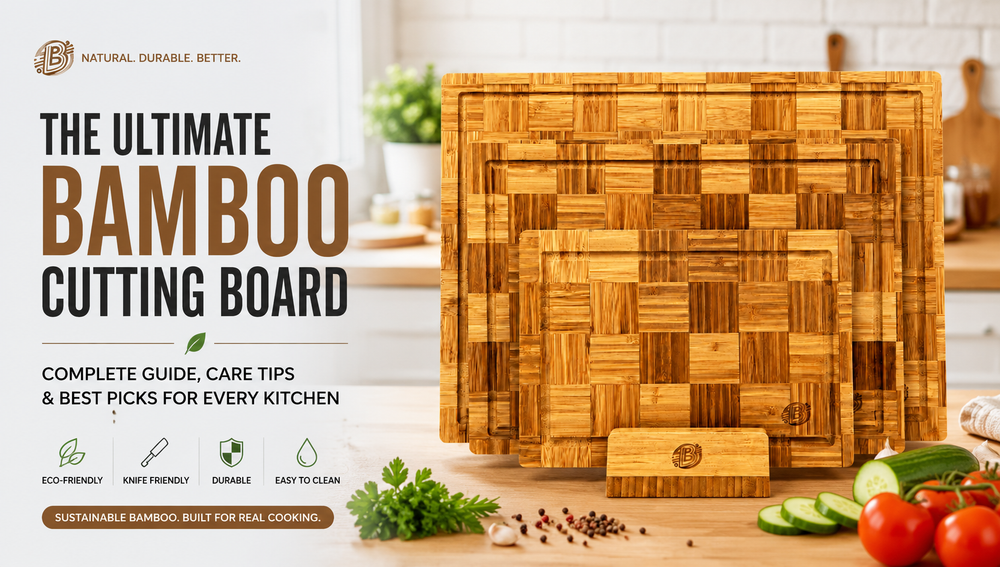
Bamboo cutting boards affect how long knives stay sharp in the kitchen. Choosing the right board helps keep your knives sharp and ready. The material’s hardness and surface texture play key roles. Bamboo is popular but has unique effects on knife edges. Understanding these helps home cooks protect their tools.
Hardness Compared To Wood
Bamboo is harder than most traditional wood cutting boards. Its dense fibers make the surface firm and durable. This hardness means knives face more resistance while cutting. Wooden boards, like maple or walnut, are softer and gentler on blades. Bamboo’s firmness can cause blades to dull faster over time. The tougher surface wears down knife edges more quickly.
Effects On Knife Edges
Bamboo’s hard surface can chip or blunt knife edges if used roughly. Frequent chopping may shorten the time between sharpenings. Softer wooden boards absorb some impact, reducing blade wear. Bamboo boards require careful knife handling to avoid damage. Regular maintenance and proper cutting techniques help preserve sharpness. Using bamboo boards means balancing durability and blade care.
Credit: brightlinksusa.com
Environmental Advantages
Bamboo cutting boards offer strong environmental benefits. Choosing bamboo supports greener kitchens and healthier planet choices.
These boards come from a fast-growing plant that renews itself quickly. This helps reduce deforestation and preserves natural forests.
Sustainability Of Bamboo
Bamboo grows much faster than traditional hardwood trees. It can reach maturity in just three to five years.
This rapid growth means it can be harvested often without harming the environment. Bamboo absorbs more carbon dioxide and releases more oxygen than many tree species.
Its strong root system prevents soil erosion and helps maintain soil health. Bamboo farms require less water and no pesticides, making them eco-friendly.
Eco-friendly Manufacturing
Making bamboo cutting boards uses less energy than processing wood or plastic. The production process generates fewer harmful emissions.
Bamboo scraps and dust from manufacturing can be reused or recycled easily. Many bamboo boards are made with natural adhesives and finishes, reducing chemical use.
Choosing bamboo supports companies that focus on sustainable and green manufacturing practices. This choice helps reduce your kitchen’s carbon footprint.
Safety In Food Preparation
Safety in food preparation is a top priority for every home cook. Using the right cutting board helps keep food clean and safe. Bamboo cutting boards offer unique benefits that support safe cooking habits. They help reduce the risk of harmful bacteria spreading in the kitchen.
Bamboo is less porous than many other materials. This means it absorbs less moisture and bacteria. Its natural hardness also makes it resistant to deep cuts where germs can hide. These features make bamboo boards a smart choice for food safety.
Cross-contamination Prevention
Cross-contamination happens when bacteria move from one food to another. Bamboo boards lower this risk. Their smooth surface is easy to clean and disinfect. Unlike some wooden boards, bamboo does not trap juices from raw meat or vegetables.
Cleaning bamboo boards is simple. Just wash with hot, soapy water after each use. This quick step helps keep bacteria away. Using separate boards for meat and veggies adds an extra layer of protection.
Suitability For Raw Meat And Vegetables
Bamboo cutting boards handle raw meat and vegetables well. Their tight grain prevents juices from soaking in. This stops bacteria from growing inside the board. Bamboo also resists stains and odors from strong foods.
Because bamboo is strong, it withstands repeated chopping without damage. This durability keeps the surface smooth and safe to use. Choosing bamboo means safer food prep with less worry about germs.
Maintenance And Care
Proper maintenance and care keep your bamboo cutting board in top shape. It helps the board last longer and stay safe for food preparation. Cleaning and handling the board correctly prevents damage and wear. This section shares simple tips to care for your bamboo board every day.
Cleaning Tips
Wash your bamboo cutting board with warm water and mild soap. Use a soft sponge to avoid scratching the surface. Rinse well to remove all soap residue. Dry the board with a clean towel right after washing. Never soak the board in water, as it can cause swelling. Avoid putting bamboo boards in the dishwasher. Air-dry the board standing up to let air circulate. For deep cleaning, sprinkle coarse salt and rub with half a lemon. This removes odors and keeps the board fresh.
Avoiding Damage And Wear
Keep your bamboo board away from extreme heat or direct sunlight. High heat can dry out and crack the board. Apply food-safe mineral oil regularly to keep the wood hydrated. This prevents splitting and maintains the smooth surface. Do not cut on the same spot repeatedly; rotate the board to spread wear. Avoid cutting very hard items that may damage the board. Store the board in a dry place to stop mold growth. Treat your bamboo cutting board well to enjoy its benefits longer.
Comparisons With Other Cutting Boards
Choosing the right cutting board affects cooking quality and kitchen hygiene. Bamboo cutting boards stand out against other materials. Comparing bamboo with wood and plastic helps understand its benefits and drawbacks. This guide explains key differences to help make a better choice for home cooking.
Bamboo Vs Wood
Bamboo is harder and less porous than most wood boards. This means it absorbs less water and resists stains better. Bamboo boards dry faster, reducing the chance of bacteria growth. Wood boards are softer and gentler on knives, causing less dulling. However, they absorb more moisture, which can lead to warping and cracking over time. Bamboo is more eco-friendly since it grows faster than hardwood trees. Both materials offer natural antibacterial properties but require regular oiling to stay in good condition.
Bamboo Vs Plastic
Bamboo cutting boards are more durable and less prone to deep knife marks than plastic boards. Plastic boards can develop grooves that harbor bacteria if not cleaned properly. Bamboo’s natural hardness makes it less likely to scar or dent. Plastic boards are dishwasher safe, making cleaning easier. Bamboo boards should be hand washed and dried quickly to avoid damage. Bamboo is a renewable resource, while plastic is petroleum-based and less environmentally friendly. Bamboo boards add a warm, natural look to the kitchen, unlike plain plastic.
Popular Uses In Home Cooking
Bamboo cutting boards are common in many kitchens for good reasons. Their unique texture and strength make them a favorite choice. People use them in various ways during home cooking. These boards serve more than just a basic function.
Understanding how bamboo cutting boards fit into daily cooking helps in choosing the right kitchen tools. They offer practical benefits that enhance the cooking experience.
Chopping And Slicing
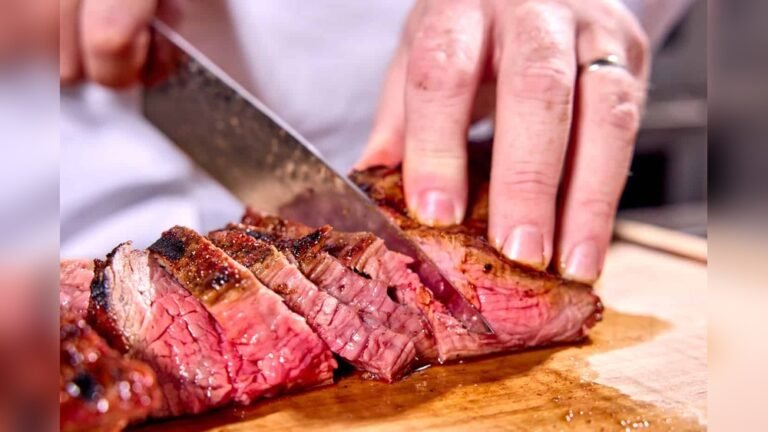
Bamboo cutting boards provide a firm surface for chopping vegetables, fruits, and meats. Their hardness supports clean cuts without damaging knives quickly. The tight fibers of bamboo resist deep grooves, keeping the board smooth longer.
This resistance to cuts also helps prevent bacteria from hiding in cracks. Bamboo boards stay cleaner and safer for food prep. Their size options fit different kitchen spaces and chopping needs well.
Presentation And Serving
Bamboo boards are popular for serving cheese, bread, and snacks. Their natural look adds a warm, rustic touch to any table. Many use them as stylish platters during gatherings or casual meals.
The lightweight nature of bamboo makes these boards easy to carry from kitchen to table. Their smooth finish makes cleaning quick after serving. Bamboo boards combine function and style in home cooking.

Credit: www.amazon.com
Frequently Asked Questions
What Are The Downsides Of Bamboo Cutting Boards?
Bamboo cutting boards can dull knives faster due to their hardness. They may crack if exposed to excessive moisture. Some boards have glue joints that can separate over time. They require regular oiling to prevent drying and splitting. Not all bamboo boards are equally durable or eco-friendly.
What Is The Healthiest Material For A Cutting Board?
The healthiest cutting boards are made of hardwoods like maple or bamboo. They resist bacteria and absorb less moisture, ensuring better hygiene.
Is It Safe To Put Raw Meat On A Bamboo Cutting Board?
Yes, it is safe to put raw meat on a bamboo cutting board. Bamboo resists moisture and bacteria well. Clean thoroughly after use to prevent cross-contamination.
What Does Gordon Ramsay Use For Cutting Boards?
Gordon Ramsay uses wooden cutting boards, preferring durable, knife-friendly hardwoods for better cutting performance and hygiene.
Conclusion
Choosing a bamboo cutting board improves your cooking experience at home. It offers durability that lasts through many meals. Bamboo resists stains and absorbs less water than wood. This helps keep your board cleaner and safer. Its firm surface protects knives, though sharper edges may dull faster.
Bamboo boards also look natural and fit well in any kitchen. Small care steps can extend their life easily. Overall, bamboo cutting boards combine practicality with good hygiene for home cooks. They make food preparation simpler and more enjoyable.