
If you’ve just got a new mortar and pestle, you might be wondering how to get it ready for your favorite recipes. Seasoning your mortar and pestle isn’t just a step you can skip—it’s essential for making sure your spices crush perfectly and your flavors stay pure.
Without seasoning, you risk gritty bits in your dishes or a strange taste from leftover stone dust. But don’t worry—seasoning is easy, and you’ll be surprised how much it improves your cooking experience. Keep reading, and you’ll learn simple, step-by-step tips to prepare your mortar and pestle like a pro.
Your kitchen deserves it!
Why Season A Mortar And Pestle
Seasoning a mortar and pestle is an important first step before use. It improves the tool’s performance and flavor extraction. A new mortar and pestle may have rough surfaces and small particles. These can affect the taste of your food and make grinding harder.
Seasoning removes loose grit and fills tiny pores in the material. It prepares the surface to grind spices and herbs smoothly. This process also helps avoid unwanted flavors from the stone or wood. Proper seasoning ensures your mortar and pestle lasts longer and works better.
Porosity And Flavor Enhancement
Most mortars and pestles are made from porous materials like granite or wood. Porosity means the surface has tiny holes and rough spots. These can trap flavors and particles from previous uses.
Seasoning fills these pores and smooths the surface. This stops old flavors from mixing with fresh ingredients. It also helps release the full aroma and taste of spices. The grinding becomes easier and more consistent after seasoning.
Types Needing Seasoning
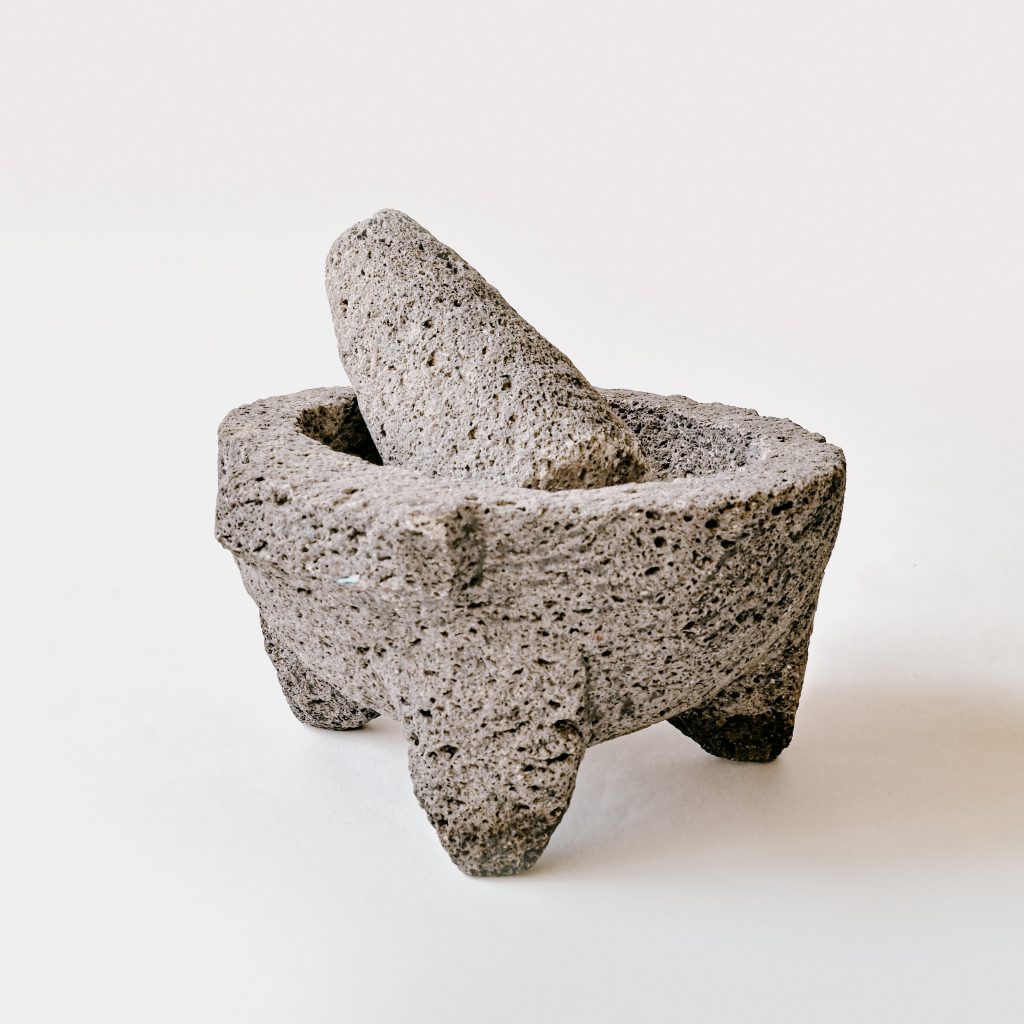
Not all mortars and pestles need seasoning. Granite, basalt, and unglazed ceramic sets require it most. These materials are naturally porous and rough. Wood mortars may also benefit from seasoning to seal the surface.
Marble and glazed ceramic tools usually do not need seasoning. Their smooth, non-porous surfaces are ready to use. Check the material before starting. Seasoning a new mortar and pestle improves its function and your cooking results.
Credit: www.youtube.com
Preparing For Seasoning
Preparing your mortar and pestle for seasoning is the first step to ensure it performs well. This process removes dust, dirt, and tiny stones from the surface. It also helps prevent unwanted flavors from mixing with your spices. Proper preparation makes seasoning more effective and keeps your mortar and pestle lasting longer.
Initial Cleaning
Start by rinsing the mortar and pestle with warm water. Use a brush or sponge to gently scrub the inside surface. This removes any dust or loose particles from manufacturing. Avoid using harsh scrubbing tools that might scratch the surface. Clean until the water runs clear and no debris remains.
Avoiding Soap Use
Do not use soap or detergent during cleaning. These products can leave a residue that affects the flavor of your spices. Instead, rely on warm water and gentle scrubbing. If needed, use a small amount of coarse salt as a natural abrasive. This helps clean without leaving chemicals behind.
Drying Completely
After cleaning, dry the mortar and pestle fully. Use a clean towel to remove excess water. Let it air dry for several hours if possible. Moisture can cause mold or weaken the stone over time. Make sure it is completely dry before starting the seasoning process.
Removing Grit With Rice
Removing grit with rice is a simple way to clean your new mortar and pestle. It helps get rid of tiny stone particles left from manufacturing. This step is important before you start using your tool for food. Rice acts as a gentle abrasive, scraping off loose debris without damaging the surface.
Use plain white rice for this process. It grinds into a powder that shows how much grit is still inside. Keep grinding until the rice stays clean and white. This means your mortar and pestle are ready for seasoning and safe to use.
Grinding White Rice
Start by adding a small handful of white rice into the mortar. Use the pestle to crush and grind the rice in a circular motion. Apply steady pressure to break the rice down. Continue grinding until the rice turns into a fine, white powder. If the powder looks gray or dusty, keep grinding.
Check the rice powder often. It reveals any grit left inside the mortar. Grinding rice removes the rough surface and polishes the stone gently. This process usually takes a few minutes. It prepares the mortar for better performance and cleaner taste.
Discarding Dusty Residue
Once the rice powder stays white, pour it out carefully. The discarded powder contains the stone dust and grit you removed. Rinse the mortar and pestle with warm water to wash away leftover particles. Avoid using soap, as it can soak into the stone.
Dry the mortar and pestle with a clean towel. Your tool is now free from loose grit. It is ready for the next step in seasoning. This simple method ensures a smooth surface and better grinding experience.
Using Aromatics For Sealing
Using aromatics for sealing is a natural way to season your new mortar and pestle. It helps remove any leftover grit and adds a subtle flavor that enhances future grinding. The strong scents from garlic and salt work well to cleanse and seal the porous surface. This method is simple and effective for preparing your tool for daily use.
Garlic And Salt Paste
Start by crushing several garlic cloves in the mortar. Add a generous amount of coarse salt. Grind the garlic and salt together until you form a thick paste. The abrasive salt scrubs the surface, while garlic releases oils that penetrate the stone. This paste tightens the pores and removes any loose particles. It also leaves a mild aroma that seasons the mortar gently.
Letting It Rest
After making the garlic and salt paste, let the mortar rest for a few hours. This resting time allows the flavors to settle and absorb into the stone. Avoid rinsing it immediately to keep the seasoning intact. Once rested, wipe off the paste with a clean cloth. Your mortar and pestle will now be ready to use without unwanted grit or flavors.
Final Cleaning And Drying
After seasoning your mortar and pestle, the final cleaning and drying steps are crucial. These steps remove any leftover residue and prepare your tool for use. Proper cleaning keeps the surface smooth and ready for grinding spices or herbs. Drying prevents moisture buildup that could lead to damage or mold.
Rinsing Thoroughly
Rinse the mortar and pestle with warm water. Avoid using soap, as it may leave a taste. Use your hands or a soft brush to remove any particles. Rinse until the water runs clear and no grit remains. This step ensures the removal of loose bits from seasoning.
Air Drying
Let the mortar and pestle dry naturally in the air. Place them upside down on a clean towel or rack. Avoid using cloths that might leave fibers behind. Do not use heat or direct sunlight to speed drying. Air drying preserves the texture and prevents cracking.
Maintaining Your Mortar And Pestle
Maintaining your mortar and pestle is key to its long-lasting use and performance. Proper care prevents damage and keeps it ready for all your grinding needs. A well-maintained mortar and pestle retains flavor and texture for years.
Simple steps help protect its material and enhance its durability. Regular attention to cleaning and conditioning ensures it stays in good shape. Let’s explore easy ways to maintain your mortar and pestle effectively.
Applying Mineral Oil To Wood
Wooden mortar and pestles need mineral oil to stay hydrated. Apply a small amount of food-safe mineral oil with a soft cloth. Rub the oil evenly over the entire surface. This prevents the wood from drying out and cracking. Let the oil soak in for a few hours. Wipe off any excess oil to avoid sticky residue. Repeat this process every few months for best results.
Avoiding Cracks
Keep your mortar and pestle away from extreme heat and cold. Sudden temperature changes can cause cracks in stone or wood. Do not soak wooden sets in water for long periods. Dry them thoroughly after cleaning with a towel. Use gentle cleaning methods to avoid damage. Handle with care to prevent dropping or banging. Proper storage in a dry place reduces the risk of cracks.
Regular Use Benefits
Using your mortar and pestle often helps maintain its seasoning. Grinding spices and herbs regularly polishes the surface naturally. It improves the texture and releases more flavor in your food. Regular use prevents buildup of old residue and keeps it fresh. Your tool will feel smoother and more effective over time. Consistent use also helps identify any wear or damage early.
Common Mistakes To Avoid
Seasoning a mortar and pestle is crucial for its performance and longevity. Many beginners make simple mistakes that reduce the effectiveness of seasoning. Avoiding these errors ensures your mortar and pestle works well and lasts long. Here are some common mistakes to watch out for during the seasoning process.
Using Soap
Soap can leave a residue that affects the taste of your spices. Avoid using soap when seasoning your mortar and pestle. Rinse with warm water only. Soap can seep into the porous surface and cause unwanted flavors. Use plain water to keep the natural taste intact.
Seasoning When Wet
Do not start seasoning while the mortar and pestle are still wet. Moisture can prevent proper grinding and absorption. Make sure both pieces are fully dry before you begin. Grinding wet ingredients can create a paste that sticks and clogs the surface. Dry tools help the seasoning process go smoothly.
Ignoring Residue Removal
Residue from the manufacturing process must be removed before seasoning. Skip this step, and your mortar may have grit or dust inside. Grind dry white rice until it turns powdery white to clean out loose particles. This step ensures a smooth surface for seasoning and improves grinding quality.

Credit: www.rotinrice.com
Credit: cookly.me
Frequently Asked Questions
Do I Need To Season A Pestle And Mortar?
Yes, season a new pestle and mortar to remove grit and enhance flavor. Grind dry rice until white, then garlic and salt. This seals the surface and improves grinding performance.
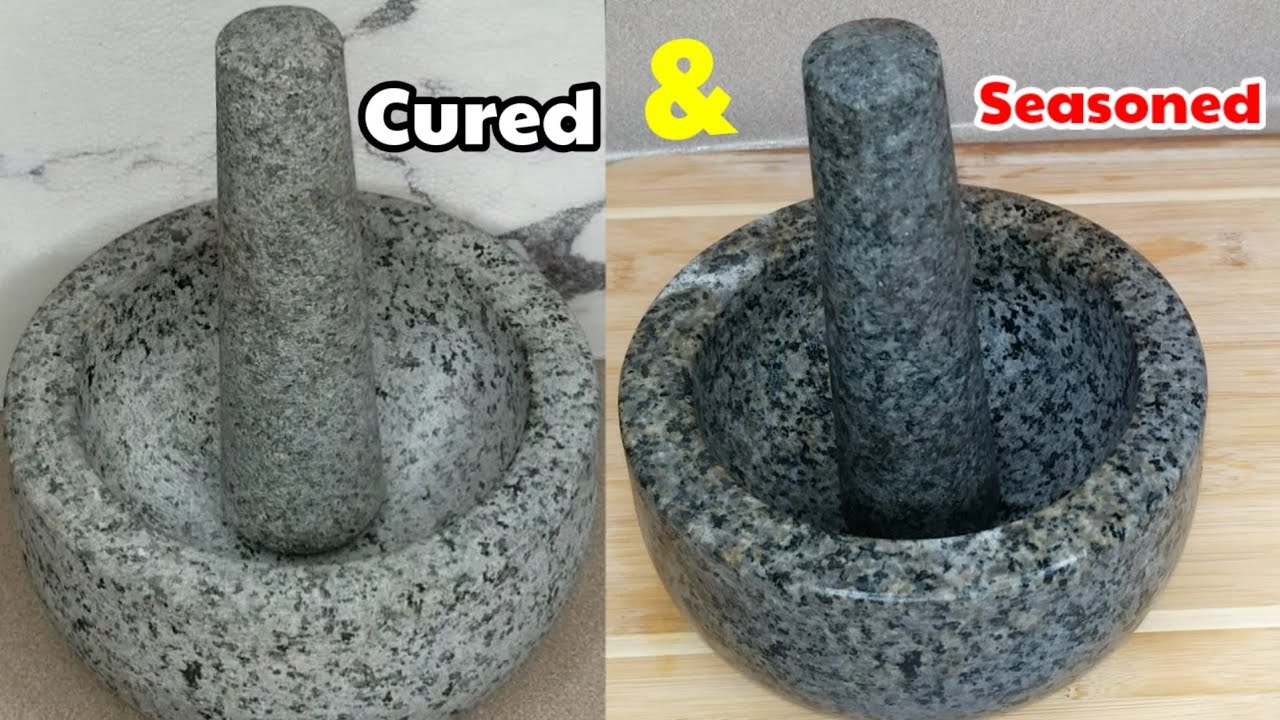
How To Cure Granite Mortar And Pestle?
Wash the granite mortar and pestle with warm water, no soap. Grind white rice until powdery. Discard powder. Grind garlic and salt to remove stone taste. Rinse and air dry fully before use.
Should You Glaze A Mortar And Pestle?
Do not glaze the grinding surfaces of a mortar and pestle. Unglazed surfaces improve grinding efficiency and flavor extraction. Glazing can make the surface too smooth, reducing effectiveness. Some parts of the pestle may be glazed, but avoid glaze on areas that contact food.
How To Prime Stone Mortar And Pestle?
Wash the mortar and pestle with warm water, dry completely. Grind white rice until powder is white. Optionally, grind garlic and salt to remove stone smell. Rinse and air dry before first use. Rub neutral oil, let sit 24 hours for extra priming.
Conclusion
Seasoning your mortar and pestle improves its performance and flavor. Start by grinding white rice until it stays white. Then crush garlic, salt, and pepper to form a paste. This process removes grit and prepares the surface for better grinding.
Regular seasoning keeps your tool clean and enhances taste. Treat your mortar and pestle well to enjoy fresh, flavorful spices every time. Simple steps lead to great cooking results.