
When you’re in the kitchen, the cutting board you use might seem like a small detail. But have you ever stopped to think about why your plastic cutting board matters so much in cooking at home?
It’s not just about convenience or appearance—your choice can affect food safety, hygiene, and even the taste of your meals. If you want to keep your kitchen safe and your food fresh, understanding the role of plastic cutting boards is essential.
Keep reading to discover why this everyday kitchen tool deserves your attention and how it can make a real difference in your cooking experience.
Plastic Cutting Board Basics
Plastic cutting boards are a common tool in many home kitchens. They offer a reliable surface for slicing and chopping different foods. Knowing their basics helps in choosing the right one and using it properly. This section explains what plastic cutting boards are made of and their typical uses.
Material And Design
Plastic cutting boards are usually made from polyethylene or polypropylene. These materials are strong and resist knife marks. The boards often have a smooth, non-porous surface. This design helps prevent bacteria from soaking in. Many plastic boards come with grooves to catch juices from meat or vegetables. Some have non-slip edges to keep the board steady while cutting. The lightweight nature makes them easy to handle and clean.
Common Uses In Home Kitchens
Plastic cutting boards are great for cutting raw meat, poultry, and fish. Their non-porous surface stops juices from spreading. Many people use separate boards for meat and vegetables to avoid cross-contamination. Plastic boards are easy to wash with hot water and soap. Some types are even dishwasher safe. They work well for everyday chopping tasks like cutting fruits, cheese, and bread. Their versatility and hygiene make them a popular choice in home cooking.
Hygiene And Food Safety
Hygiene and food safety are key in home cooking. Using the right cutting board helps keep food safe and kitchens clean.
Plastic cutting boards offer unique advantages. They help prevent contamination and reduce health risks.
Non-porous Surface Benefits
Plastic boards have a smooth, non-porous surface. This stops liquids and juices from soaking in. It limits bacteria from hiding inside the board. Easy cleaning follows since dirt stays on the surface. This lowers the chance of cross-contamination between foods.
Sanitizing Plastic Boards
Plastic cutting boards are simple to sanitize. Hot water and soap remove most germs. They also work well in dishwashers. The heat kills bacteria quickly. Regular sanitizing keeps the board safe for daily use. It prevents harmful microbes from spreading to food.
Bacteria Growth And Prevention
Plastic boards resist bacteria better than porous materials. Deep cuts can trap germs, but plastic cleans easier. Replace boards with many grooves to avoid buildup. Use separate boards for raw meat and vegetables. This step stops bacteria from mixing and causing illness.
Durability And Maintenance
Durability and maintenance are key reasons plastic cutting boards matter in home cooking. A cutting board must handle frequent use without wearing out quickly. It should stay safe and clean with simple care. Plastic boards often meet these needs well. They resist damage and can be cleaned easily. This keeps your kitchen hygienic and efficient.
Resistance To Knife Marks
Plastic cutting boards resist knife marks better than many materials. Their surface is firm but flexible. This helps prevent deep grooves where bacteria hide. Small cuts may appear but usually do not affect safety. Durable plastic boards last longer even after heavy use. This saves money and reduces waste. Choose boards made of high-quality plastic for best results.
Cleaning Tips
Clean plastic cutting boards thoroughly after each use. Wash with hot, soapy water and scrub well. Use a sponge or brush to reach all areas. Rinse with clean water to remove soap. Dry the board completely before storing it. For extra sanitation, use a diluted bleach solution. Avoid harsh scrubbing that can damage the surface. Regular cleaning keeps boards safe for food preparation.
When To Replace
Replace your plastic cutting board if deep grooves or cracks appear. These damages trap bacteria and make cleaning hard. Warped or warped boards also need replacement. If the board smells or stains persist after cleaning, it is time to get a new one. Using a damaged board risks food contamination. Inspect your cutting board regularly for signs of wear.
Credit: teakhaus.com
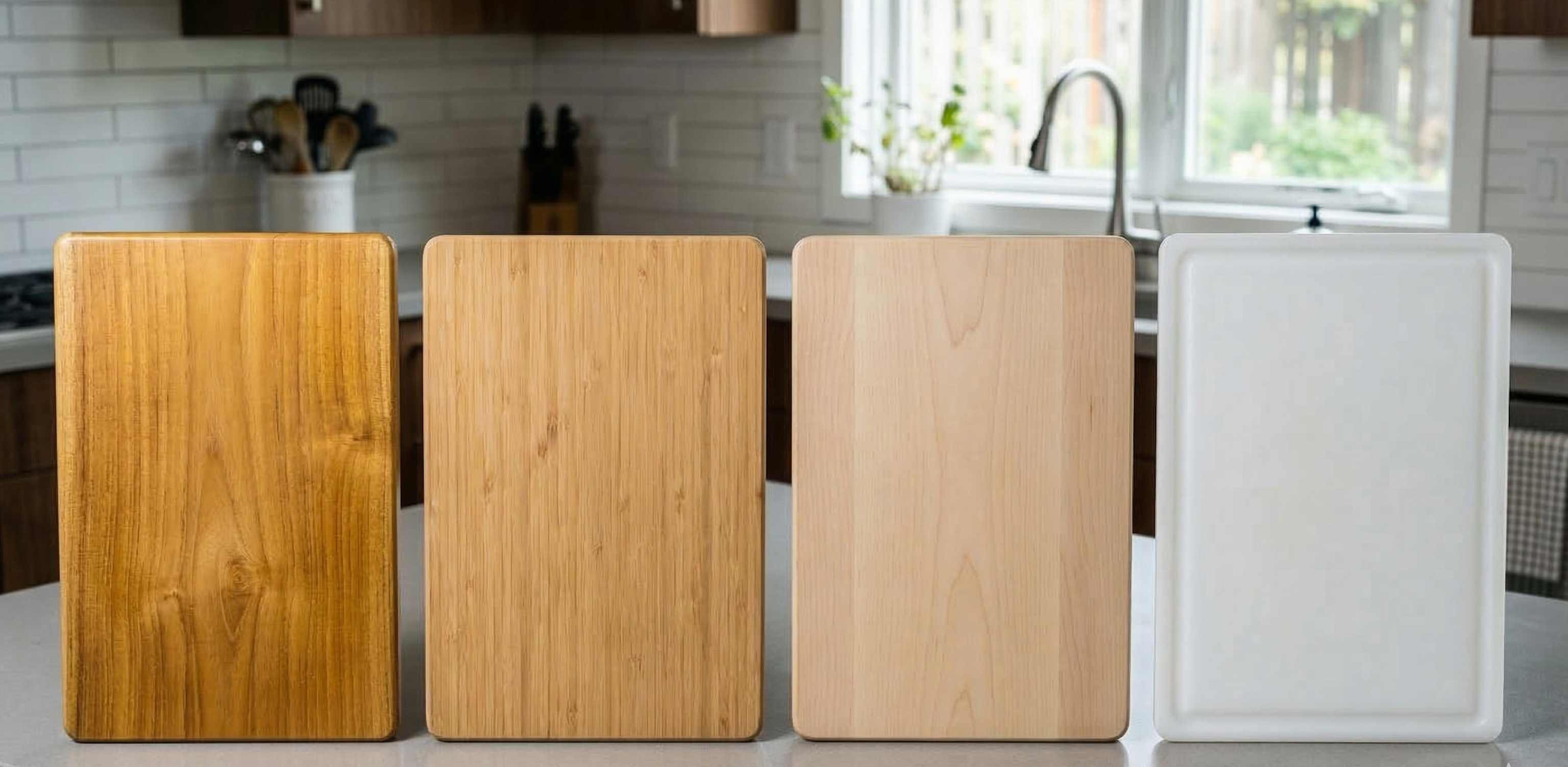
Comparison With Wooden Boards
Plastic cutting boards play a key role in maintaining food quality at home. Their material affects how flavors mix and how safe your food stays. Choosing the right cutting board helps keep dishes fresh and tasty.
Flavor Transfer Risks
Plastic boards do not soak up juices or smells. This stops flavors from mixing between foods. For example, cutting garlic on one board and then fruit on another keeps tastes pure. It prevents unwanted flavors from spoiling your meal.
Plastic’s smooth surface also cleans easily, removing leftover bits. This lowers the chance of old flavors lingering. It helps your food taste exactly as it should.
Cross-contamination Prevention
Plastic cutting boards reduce the risk of cross-contamination. Their non-porous surface stops bacteria from hiding in tiny holes. Proper cleaning removes germs quickly and effectively.
Using separate plastic boards for raw meat and vegetables keeps harmful bacteria apart. This practice protects your family from foodborne illnesses. Clean plastic boards support safe and healthy cooking habits.
Impact On Food Quality
Plastic cutting boards help keep food safe by resisting stains and odors from raw ingredients. Their smooth surface prevents bacteria from hiding in cuts, maintaining better food quality during preparation. Choosing the right board reduces contamination risks at home.
Plastic cutting boards are common in many kitchens. They are lightweight and affordable. Yet, they raise important concerns about health and the environment.
Plastic materials can wear down with use. This process releases tiny plastic bits, called microplastics. These small particles may end up in food and water.
Microplastics can harm the environment. They pollute oceans, rivers, and soil. Animals may ingest these particles, affecting the whole ecosystem.
Health risks also exist. Eating microplastics can cause irritation and other issues. It is important to handle plastic cutting boards properly to reduce risks.
Microplastic Shedding
Plastic boards shed microplastics as knives cut their surface. The more cuts, the more particles released. These tiny pieces mix with food during preparation.
Studies show that microplastic shedding increases with board age. Old, deeply scored boards release more particles. Frequent replacement lowers microplastic exposure.
Choosing high-quality plastic can reduce shedding. Some plastics resist cuts better, shedding fewer particles. Keeping boards clean also helps limit microplastic buildup.
Safe Usage Practices
Use different boards for meat and vegetables. This prevents cross-contamination. Wash boards with hot, soapy water after each use.
Replace boards once cuts become deep and frequent. Deep grooves trap bacteria and microplastics. Avoid using harsh scrubbing tools that damage surfaces further.
Consider alternatives like bamboo or wood boards. These materials may reduce microplastic risks. Always dry boards completely to prevent bacteria growth.

Credit: www.seriouseats.com
Frequently Asked Questions
What Is The Healthiest Cutting Board To Use For Food?
Wooden cutting boards are healthiest due to natural antibacterial properties. They resist bacteria better than plastic and last longer with proper care.
Why Do Professional Chefs Use Plastic Cutting Boards?
Professional chefs use plastic cutting boards because they are non-porous, easy to sanitize, and prevent cross-contamination. They resist stains and odors, making them ideal for handling raw meats safely. Plastic boards also withstand frequent washing without warping, supporting hygiene and durability in busy kitchens.
Do All Plastic Cutting Boards Release Microplastics?
Not all plastic cutting boards release microplastics, but cutting can shed tiny plastic particles over time. Quality and usage affect shedding.
What Are The Three Microplastic Foods To Avoid?
Avoid microplastic contamination by limiting these foods: seafood like shellfish, processed snacks, and bottled water.
Conclusion
Choosing a plastic cutting board helps keep your kitchen clean and safe. Its smooth surface stops juices from soaking in. You can wash it easily with soap and hot water. This helps reduce germs and cross-contamination risks. Plastic boards also resist deep cuts that trap bacteria.
They come in many sizes and colors to fit your needs. Using one improves food safety and makes cooking simpler. It’s a smart, practical choice for every home cook.