
If you love cooking at home, you know that having the right tools makes all the difference. That’s where the Nakiri knife comes in.
This unique Japanese knife is designed specifically for chopping vegetables with ease and precision. Imagine slicing through your veggies smoothly, without crushing or bruising them—making your meals look and taste better. Whether you’re prepping a fresh salad or dicing ingredients for a stir-fry, the Nakiri can save you time and effort while giving you cleaner, more consistent cuts.
Keep reading to discover why adding a Nakiri knife to your kitchen could change the way you cook forever.
Nakiri Knife Design
The Nakiri knife stands out for its unique design made specifically for vegetable cutting. It blends traditional Japanese craftsmanship with practical kitchen needs. Each part of the knife is crafted to make vegetable prep faster and cleaner. Understanding the design helps explain why it matters so much in home cooking.
The shape, material, and balance of the Nakiri all work together. This makes it easier to cut, chop, and slice vegetables with precision and less effort. The design also helps protect the texture and flavor of fresh produce.
Blade Shape And Size
The Nakiri has a flat, rectangular blade. This shape is perfect for straight, even cuts. The flat edge allows the knife to reach the cutting board without rocking. This helps slice through vegetables cleanly without crushing them.
The blade size is usually around 6 to 7 inches long. This length offers a good balance between control and efficiency. It is wide enough to scoop and transfer chopped vegetables easily.
Blade Material And Sharpness
Nakiri knives often use high-carbon steel or layered steel. These materials keep the blade sharp for a long time. A sharp blade cuts vegetables smoothly and reduces damage to cell walls. This keeps vegetables fresher and more flavorful.
The sharp edge also lowers the effort needed to cut. This means less hand strain during meal prep. Maintaining sharpness is easier with proper care, making the Nakiri a reliable tool.
Weight And Balance
The Nakiri is usually lighter than other kitchen knives. This lightness helps with fast, repetitive chopping. It offers good control without tiring the hand quickly.
Balance is centered near the handle, which improves stability. This allows safe and precise cuts, even for beginners. The weight and balance work together to make vegetable prep smooth and enjoyable.
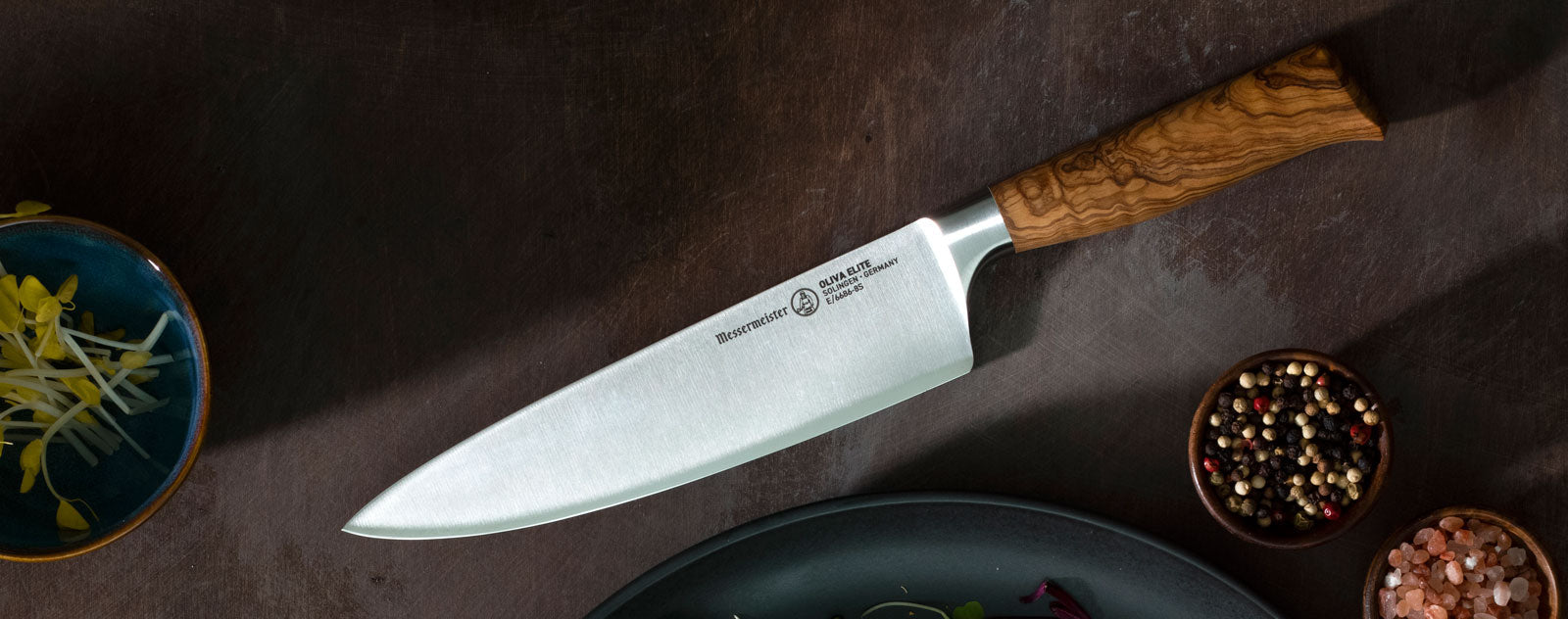
Credit: www.messermeister.com
Cutting Performance
The cutting performance of a Nakiri knife sets it apart in home kitchens. This knife is designed specifically for vegetables. Its unique shape and sharp edge make slicing easier and more precise. Home cooks benefit from faster prep times and better results.
The Nakiri’s flat blade allows the entire edge to touch the cutting board. This means fewer missed cuts and less damage to ingredients. The knife’s lightweight design also helps reduce hand fatigue during long chopping sessions.
Precision In Vegetable Cutting
The Nakiri excels at precise cuts. Its sharp blade glides smoothly through vegetables without slipping. This precision helps to create exact shapes and sizes. Uniform cuts cook evenly and look more appealing on the plate.
Clean And Uniform Slices
Clean slices matter for both cooking and presentation. The Nakiri’s thin blade reduces crushing and tearing. It produces neat, even slices every time. This uniformity improves texture and flavor absorption during cooking.
Maintaining Ingredient Texture
Preserving the texture of vegetables is crucial. The Nakiri’s sharpness cuts without bruising. This keeps vegetables crisp and fresh. Maintaining texture enhances the eating experience and keeps dishes vibrant.
Benefits In Home Cooking
The Nakiri knife offers many benefits for home cooking. Its design makes vegetable preparation faster and neater. This tool helps cooks save time and effort in the kitchen. Even those new to cooking find it easy to use. The Nakiri also works well beyond just cutting vegetables.
These benefits make the Nakiri a valuable addition to any home kitchen. Understanding its advantages helps explain why it matters in home cooking.
Efficiency In Meal Prep
The Nakiri’s straight blade cuts vegetables with clean, smooth strokes. It slices through produce quickly without crushing. This speeds up meal preparation, especially for salads and stir-fries. The flat blade allows for fast chopping right on the cutting board. Cooks can prepare large amounts of vegetables with less effort. This efficiency reduces cooking time and makes meal prep less tiring.
Ease Of Use For Beginners
The Nakiri knife is simple to handle for new cooks. Its balanced shape feels comfortable in the hand. The straight blade helps beginners make even, straight cuts. It requires less skill than curved chef knives. The wide blade also protects fingers during chopping. This makes the Nakiri a safe choice for those learning to cook. It builds confidence by allowing easy control of the knife.
Versatility Beyond Vegetables
Although designed for vegetables, the Nakiri can do more. It works well for slicing fruits like apples and melons. The flat blade can chop herbs finely and evenly. Some cooks use it for cutting soft cheeses or boneless meats. Its design supports many kitchen tasks beyond just vegetables. This versatility adds value and convenience for home cooks.
Comparison With Other Knives
Choosing the right Nakiri knife makes a big difference in your kitchen. This knife is designed mainly for vegetables. Picking one that fits your needs helps you cut cleanly and safely. Consider blade material, handle style, and price before buying. These factors affect how the knife feels and works.
Blade Material Options
Nakiri knives come in different blade materials. Stainless steel is common and resists rust well. It needs less care and stays sharp for a long time. Carbon steel blades cut very well but need more attention to avoid rust. Some knives mix both steels for balance. Choose a blade that matches how often you cook and how much care you want to give.
Handle Styles
Handle comfort is key for safe cutting. Wooden handles feel warm and natural. They may need more care but look beautiful. Plastic or resin handles resist water and are easy to clean. Some handles have a special shape for a better grip. Find a style that feels good in your hand and fits your kitchen routine.
Price Considerations
Nakiri knives come at many price points. Low-cost knives work well for beginners or light use. Mid-range knives offer better materials and craftsmanship. High-end knives have premium steel and fine details. Decide your budget and pick the best quality you can afford. A good Nakiri knife lasts for years and makes cooking easier.
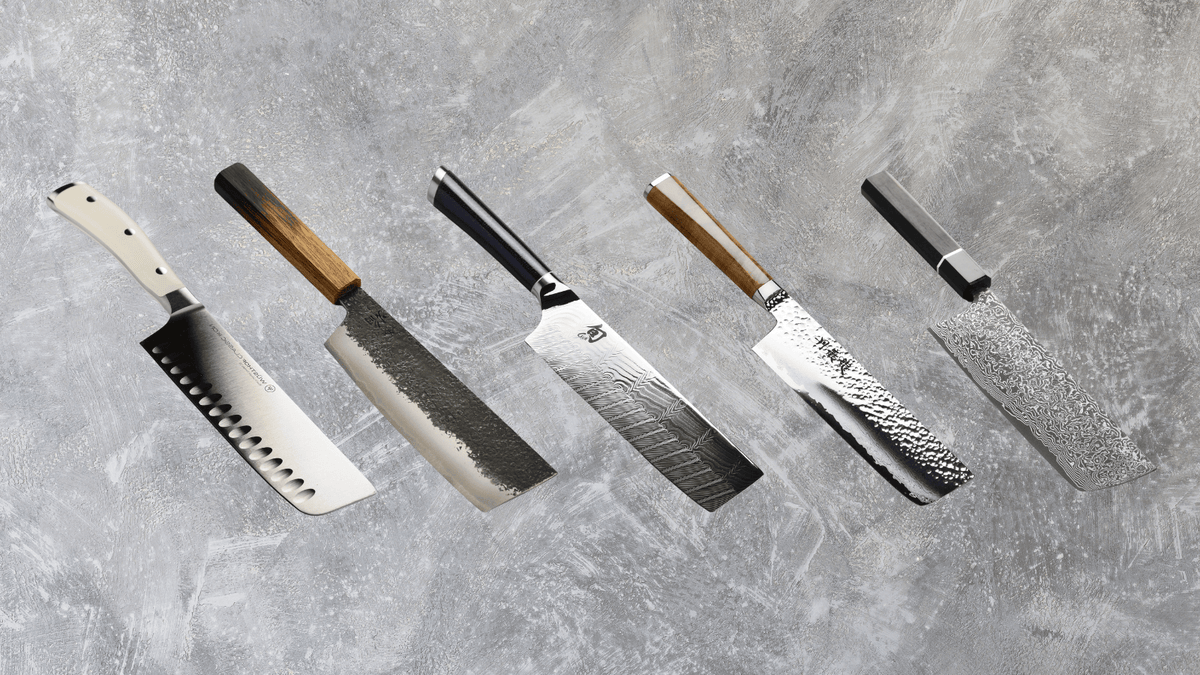
Credit: cutleryandmore.com
Frequently Asked Questions
What Are The Disadvantages Of A Nakiri?
A Nakiri can feel bulky due to its larger blade and weight. It lacks versatility, working best only with vegetables. It may not perform well for meat or delicate tasks. Some users find it less agile compared to slimmer, all-purpose knives like the Gyuto.
Can You Use A Nakiri Knife For Everything?
A nakiri knife excels at chopping vegetables with clean, precise cuts. It is not ideal for slicing meat or other tasks. Use a chef’s knife for all-purpose cutting needs.
What Is A Nakiri Knife Used For In Cooking?
A nakiri knife features a flat, rectangular blade ideal for chopping, slicing, and dicing vegetables efficiently. It ensures clean, precise cuts without crushing. This knife excels in preparing salads, stir-fries, and bulk vegetable prep, making it a staple for vegetable-focused cooking tasks.
Why Do Chefs Prefer Japanese Knives?
Chefs prefer Japanese knives for their sharp, durable high-carbon steel blades. These knives offer precise, effortless cutting and excellent edge retention. Their lightweight, balanced design enhances control and reduces fatigue during extended use, making them ideal for professional culinary tasks.
Conclusion
The Nakiri knife brings ease to home vegetable prep. Its flat blade cuts cleanly without crushing food. This makes slicing faster and more precise. You can chop large batches with less effort. Its design fits well in most kitchens. Using a Nakiri improves cooking enjoyment and results.
It is a helpful tool for anyone cooking at home. Consider adding one to your kitchen today.