
You’ve just brought home fresh spring onions, but now you’re wondering: how do you keep them crisp and flavorful for as long as possible? If you’ve ever found your spring onions wilting or turning slimy within days, you’re not alone.
The right storage method can make all the difference, saving you money and ensuring your meals always have that fresh, vibrant taste. You’ll discover simple, effective ways to store spring onions so they stay fresh longer—whether in your fridge, freezer, or even regrown on your windowsill.
Keep reading to unlock these easy tips that will transform how you handle spring onions in your kitchen!
Storage Basics
Proper storage keeps spring onions fresh and crisp longer. Understanding storage basics protects their flavor and texture. Follow simple steps to maintain freshness after purchase.
Ideal Temperature
Spring onions stay best at cool temperatures. Keep them around 32°F to 40°F. The fridge crisper drawer offers a perfect spot. Avoid freezing, which damages their texture and taste.
Humidity Levels
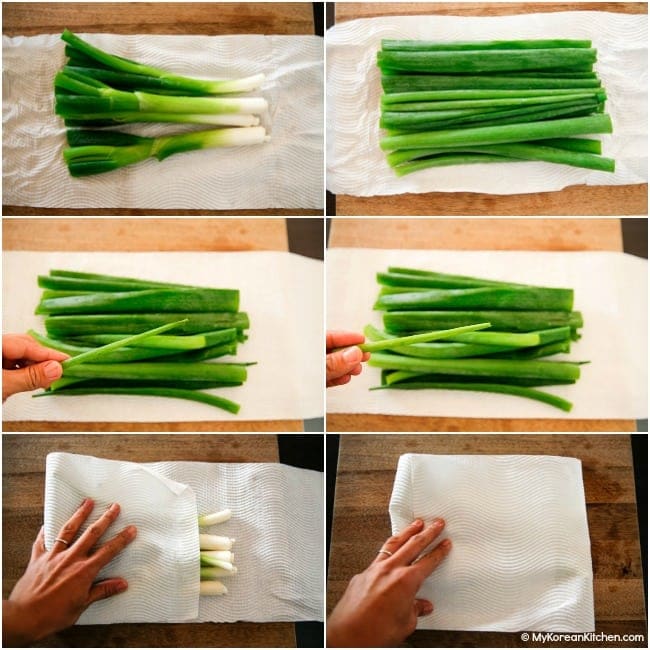
Spring onions need moderate humidity to stay fresh. Too dry air causes wilting and shriveling. Wrap them loosely in a damp paper towel. Store in a perforated plastic bag to balance moisture.
Avoiding Damage
Handle spring onions gently to prevent bruising. Do not crush or bend the stalks. Keep them away from heavy items in the fridge. Trim roots and dry leaves before storage to reduce decay.
Credit: mykoreankitchen.com
Fridge Storage Techniques
Storing spring onions in the fridge keeps them fresh and crisp longer. Proper fridge storage techniques protect their flavor and texture. These simple methods prevent wilting and spoilage.
Damp Paper Towel Wrap
Wrap the spring onions in a damp paper towel. The moisture keeps them hydrated without making them soggy. Place the wrapped onions inside a plastic bag or container. This method slows down drying and wilting.
Plastic Bag Or Container Use
Put spring onions in a plastic bag or airtight container. Remove excess air to prevent moisture buildup. Keep the bag or container in the vegetable drawer. This setup helps maintain freshness for several days.
Storing Upright In Water
Stand spring onions upright in a jar with a little water. Cover the tops loosely with a plastic bag. Change the water every couple of days. This approach keeps the onions lively and ready to use.
Freezing Spring Onions
Freezing spring onions is a smart way to keep them fresh for a long time. It helps preserve their flavor and nutrients. Frozen spring onions are ready to use in many dishes, saving you time.
Freezing works best if you prepare the onions properly. This keeps their texture and taste intact after thawing.
Chopping Before Freezing
Chop spring onions into small pieces before freezing. Cut both the green tops and white bulbs. Use a sharp knife to avoid crushing them.
Spread the chopped onions on a tray in one layer. Freeze them for an hour to stop clumping. Then transfer to a container or bag.
Best Containers For Freezing
Use airtight containers or freezer bags to store chopped spring onions. Remove as much air as possible to prevent freezer burn. Label the containers with the date.
Freezer bags are space-saving and easy to use. Rigid containers protect the onions from getting crushed.
Using Frozen Onions
Frozen spring onions work well in cooked dishes. Add them directly to soups, stews, or stir-fries without thawing. They lose some crunch but keep flavor.
Do not use frozen spring onions in raw salads. Their texture changes after freezing.

Credit: www.youtube.com
Tips For Longevity
Keeping spring onions fresh longer needs simple care steps. These tips help your spring onions stay crisp and tasty. Proper storage keeps their flavor and texture intact.
Follow these easy tricks to increase their shelf life. Small changes can make a big difference in freshness.
Removing Rubber Bands
Rubber bands can damage spring onions. They squeeze and bruise the stalks. Remove them gently before storing. This prevents wilting and browning. Loose bunches allow better air flow. It helps keep spring onions fresh for days.
Using The Crisper Drawer
The crisper drawer in your fridge is perfect for spring onions. It controls moisture and temperature well. Wrap the onions in a damp paper towel first. Then place them inside a plastic bag with holes. Store the bag in the crisper drawer. This method keeps spring onions hydrated without making them soggy.
Regular Quality Checks
Check spring onions every few days. Remove any yellow or soft parts quickly. Bad leaves spread decay to healthy parts. Keeping an eye on freshness stops waste. It also ensures your spring onions stay tasty and ready to use.
Regrowing Spring Onions
Regrowing spring onions is an easy and cost-effective way to enjoy fresh greens all year. Instead of buying new bunches, you can regrow them from the root ends. This method saves money and reduces waste. It also offers a continuous supply of crisp, flavorful spring onions right on your kitchen windowsill.
Saving Root Ends
After using spring onions, keep the white root ends with a bit of the green attached. Cut about one inch above the roots. Avoid cutting too close to the roots to help regrowth. The root ends must be healthy and fresh. Avoid using old or wilted roots as they may not regrow well.
Setting Up Water Jars
Place the saved root ends in a small jar or glass. Add enough water to cover the roots but not the green parts. Use clean, room temperature water. Change the water every two days to keep it fresh. Place the jar near a window where it can get indirect sunlight.
Care And Maintenance
Watch for new green shoots growing from the roots in a few days. Trim the green shoots regularly to encourage more growth. Replace the water to prevent bacteria buildup. After a couple of weeks, you can transfer the roots to soil for stronger growth. Keep the soil moist but not soggy for the best results.
Common Storage Mistakes
Storing spring onions correctly is key to keeping them fresh longer. Many people make simple mistakes that cause the onions to spoil quickly. Avoiding these common errors helps maintain their crunch and flavor. Below are some frequent storage mistakes that reduce spring onions’ shelf life.
Overwashing
Washing spring onions too much can make them spoil fast. Excess water causes mold and softness. Wash only before cooking, not before storing. If you must rinse, dry them well with a towel. Moisture is the enemy of fresh spring onions.
Tight Packaging
Storing spring onions in tight plastic bags stops airflow. This traps moisture and leads to rot. Use a paper towel to wrap them first. Then place in a loose bag or container. Proper air circulation keeps onions crisp and fresh.
Ignoring Spoilage Signs
Throwing away spring onions at the first sign of wilting is wasteful. But ignoring clear signs of spoilage is worse. Watch for slimy stems, bad smell, or dark spots. Remove spoiled parts immediately to save the rest. Regular checks keep your spring onions usable longer.
:max_bytes(150000):strip_icc()/how-to-extend-the-life-of-fresh-produce-4801922-scallions-2eaea720f7fb4c39af6792da4f88976c.jpg)
Credit: www.thespruceeats.com
Frequently Asked Questions
How To Keep Spring Onions Fresh Longer?
Trim roots, wrap spring onions in a damp paper towel, and place them in a breathable bag in the fridge. Store upright in the crisper drawer. Remove any wilted parts promptly to prevent spoilage. This method keeps spring onions fresh longer and crisp.
Are Spring Onions Good For Diabetics?
Spring onions help regulate blood sugar and have a low glycemic index. They support stable glucose levels for diabetics.
Is Spring Onion Good For Ibs?
Spring onion green tops are low in fructans and often better tolerated by IBS sufferers. Avoid white bulbs to reduce symptoms.
What Container Is Best For Storing Spring Onions?
The best container for storing spring onions is a resealable plastic bag or container with a damp paper towel inside. Store them in the fridge’s crisper drawer, preferably upright, to keep them fresh longer. Avoid tight bands to prevent bruising and remove spoiled onions regularly.
Conclusion
Storing spring onions properly keeps them fresh and tasty longer. Wrap them in a damp paper towel and place inside a plastic bag. Keep them in the refrigerator, not the freezer, for best results. You can also chop and freeze spring onions for later use.
Regularly check for any wilted parts and remove them. Fresh spring onions add great flavor to many dishes. Simple storage steps help reduce waste and save money. Enjoy your spring onions at their best every time!